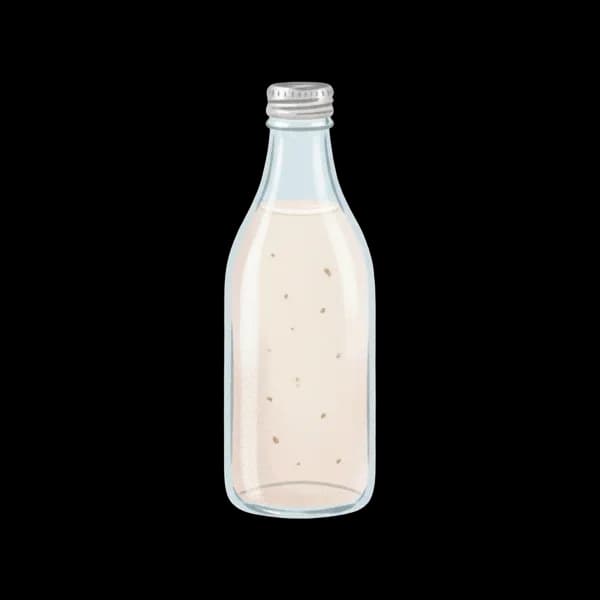
Cocktails with Birch water
Birch water is the watery sap of the birch tree, tapped from the trunk in early spring.
Substitutes for Birch water
Coconut water lengthens the same way with a rounder, sweeter note. A weak green tea does it with tannin instead of minerality. Water does the job and admits it is water.
Often confused with
Birch syrup
Birch sap boils down enormously into a dark, savory-sweet syrup closer to molasses than to maple. It is far more assertive, so start at half the measure. It is a sweetener, and a recipe that wanted sap gets nothing it asked for.
Maple sap and maple water
A different tree gives the same idea, slightly sweeter and without the mineral edge: it substitutes cleanly when birch is doing the lengthening and not the flavoring.
Storage
Raw sap is alive: refrigerated it keeps a day or two and ferments after that, which is why so much of it is sold pasteurized or preserved. A carton keeps to its date and wants the fridge once open.
