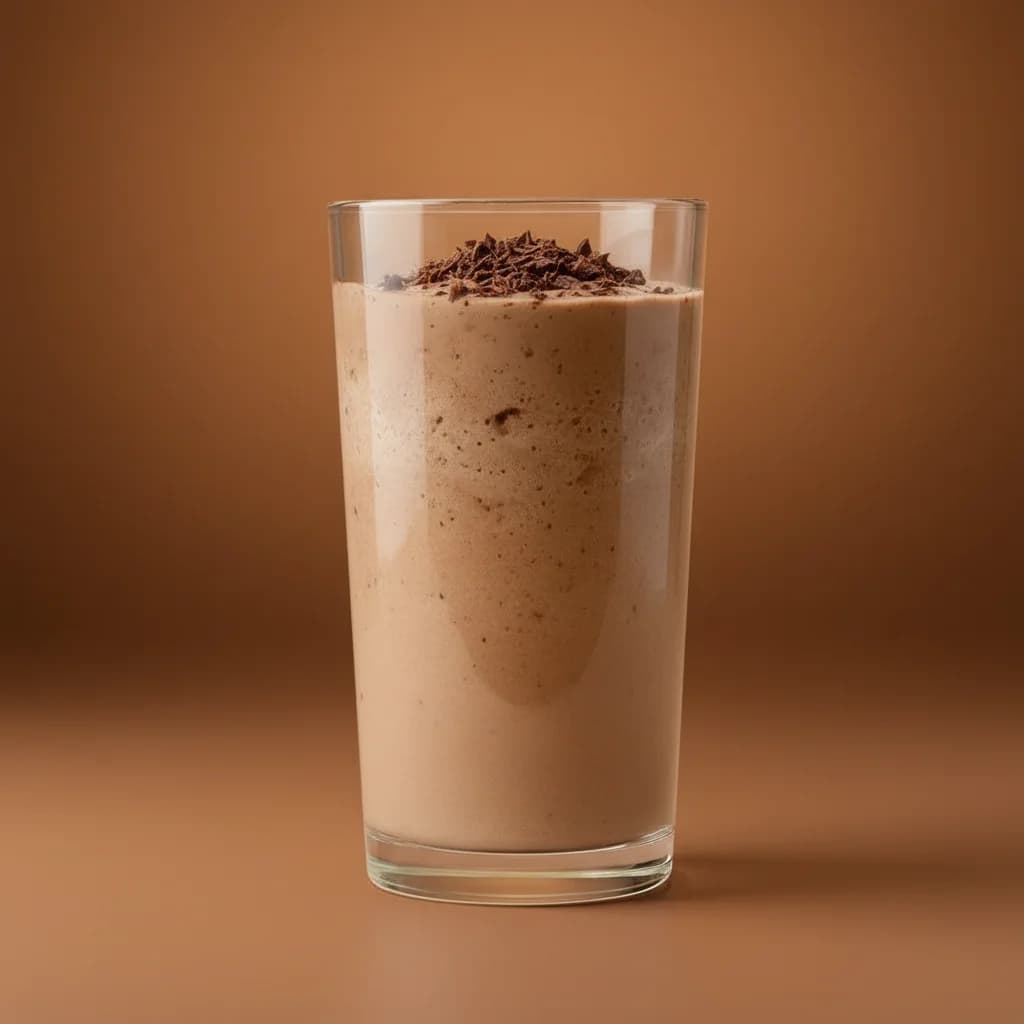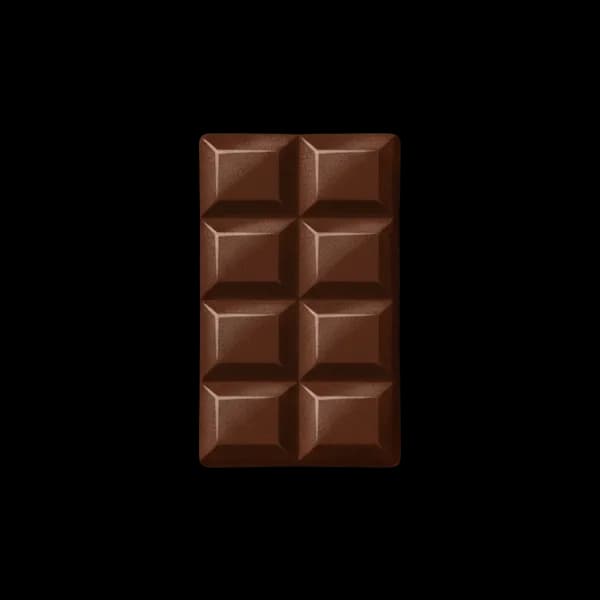
Cocktails with Dark chocolate
Dark chocolate is a solid chocolate of cocoa solids and cocoa butter, with no milk and less sugar than milk chocolate.
Substitutes for Dark chocolate
Unsweetened cocoa gives the flavor and the bitterness with no fat and no body. Crème de cacao brings chocolate with sugar and alcohol, so it rewrites the balance. Chocolate syrup is sweet and one-dimensional and suits a drink that wanted color and sweetness.
Often confused with
Milk chocolate
Milk solids, more sugar and much less cocoa, so it is sweeter, softer and far less bitter, and it cannot balance a drink the way a high-cocoa bar does.
Cocoa powder
The solids without most of the fat, so it dissolves differently and tastes drier and sharper; dutch-processed cocoa is milder than natural, which changes a rim or a dusting noticeably.
Storage
Cool, dry, sealed, and away from anything aromatic, because cocoa butter takes on smells. Stored warm it blooms into a gray film — harmless, still fine melted, and no longer something to shave over a drink.