Cocktails with Dubonnet/French rouge aromatized wine
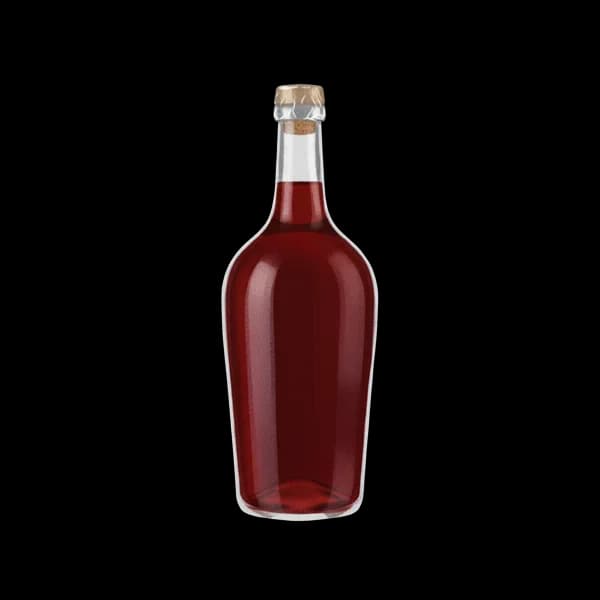
Dubonnet rouge is a sweet, red, wine-based aromatized aperitif of the quinquina type, bittered with herbs, spices and a little quinine.
ABV14–19%
Substitutes for Dubonnet/French rouge aromatized wine
Wine base, quinine bitterness and sugar, and the quinine is the half that is hard to find at this strength. Adding a dash of a quinine or aromatic bitters to a sweet red vermouth gets most of the way there.
Often confused with
Sweet red vermouth
Bittered with wormwood instead of cinchona bark, so the bitterness is herbal rather than quinine-dry; the drink keeps its weight and loses the tonic-like edge.
Description
Joseph Dubonnet, a Paris chemist and wine merchant, made it in 1846 for a French government competition. Colonial troops in North Africa needed quinine against malaria and would not drink it, so the state offered a prize for a version they would. Fortified wine, herbs, spices and enough sugar to bury the bitterness won, and the medicine outlived the problem it was made for. What is left of that in the glass is a quinine dryness under the sweetness, which is what separates it from a sweet vermouth and what a substitute has to rebuild.
Storage
Wine-based — refrigerate once opened and use within six weeks.