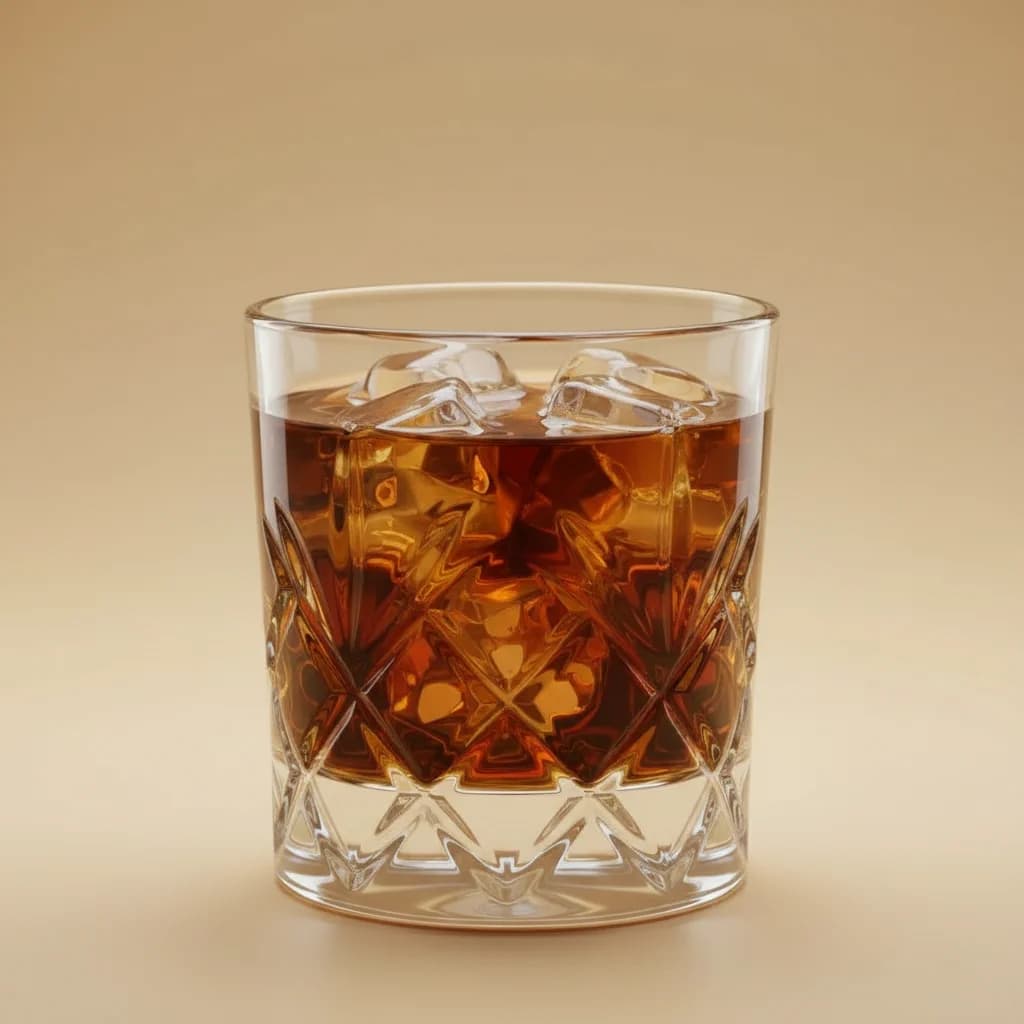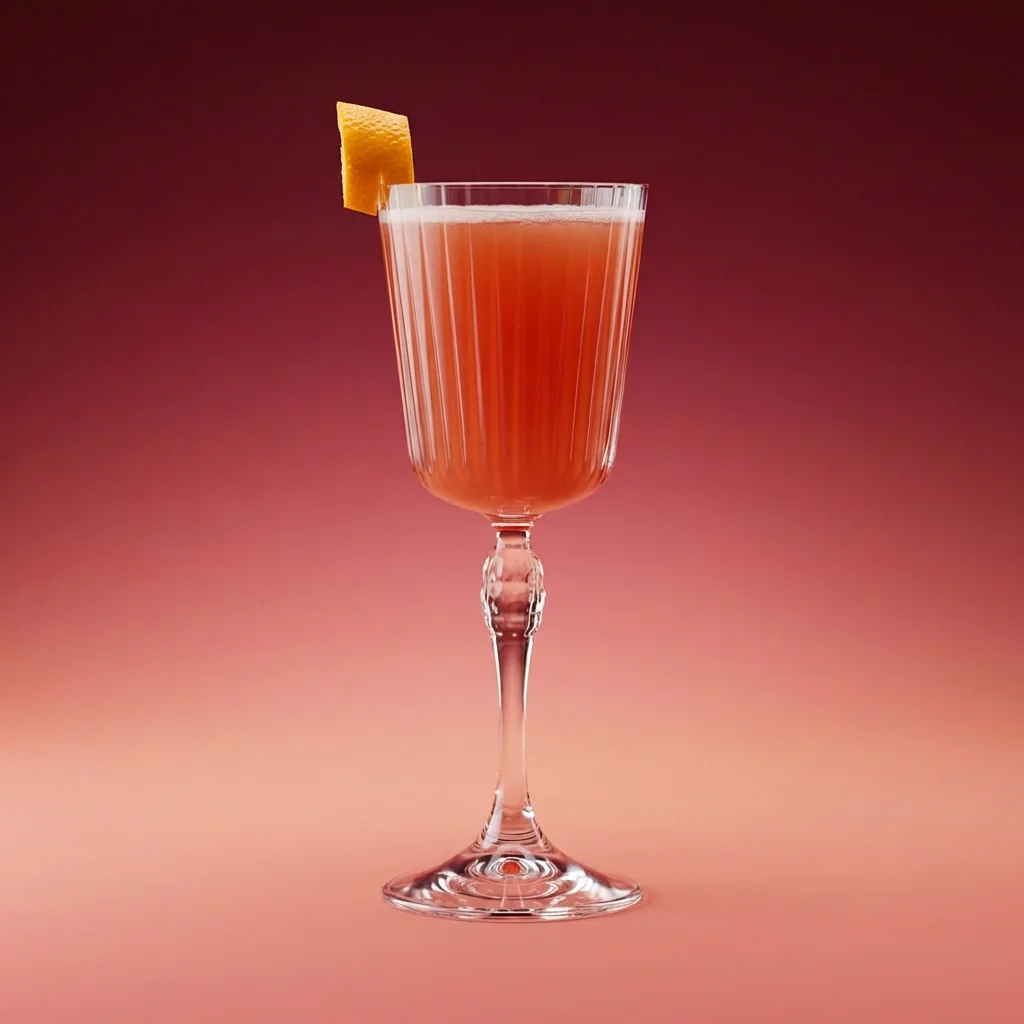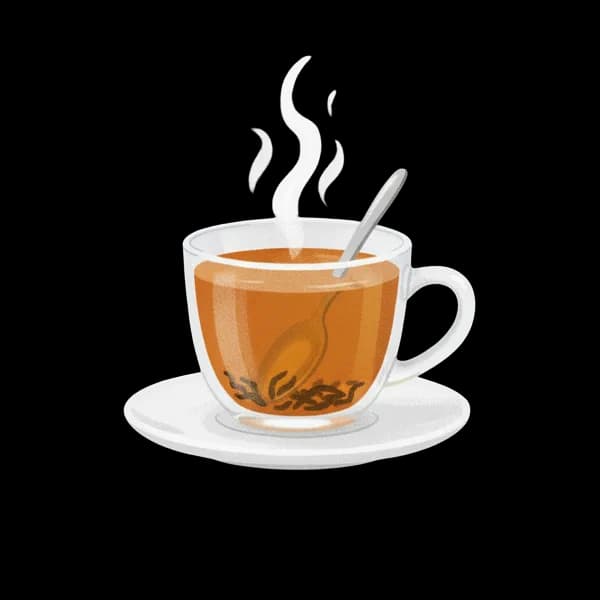
Cocktails with Earl Grey tea
Earl Grey tea is a flavored tea, usually black, scented with bergamot.
Substitutes for Earl Grey tea
Strong black tea with a strip of bergamot peel rebuilds it, and bergamot oil does the same in one drop, which is one drop more than most people measure accurately. Plain black tea gives the body and tannin and leaves the drink dry instead of perfumed.
Often confused with
Bee balm (Monarda)
Sold as "wild bergamot" and unrelated to the citrus: a North American mint-family plant used for Oswego tea. It smells adjacent and behaves nothing alike in a drink.
Lady Grey and other variants
Earl Grey with additional citrus peels or cornflower, usually lighter on bergamot. In an infusion it reads weaker, so the same steeping time gives less aroma.
Storage
Dry leaf keeps for months sealed and dark, and the bergamot fades before the tea does. Brewed, the fridge and a day or two, after which the tannin dominates whatever else was there.