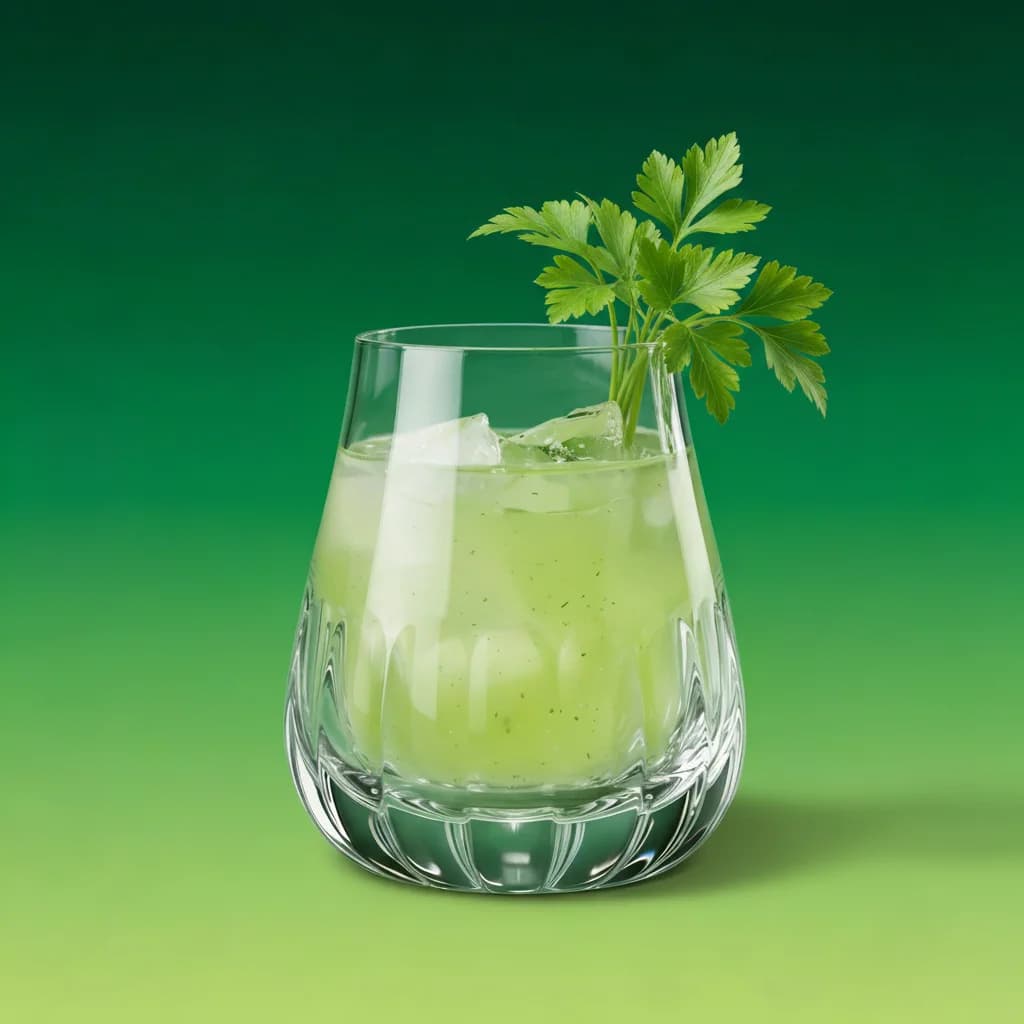
Cocktails with Lemongrass stem
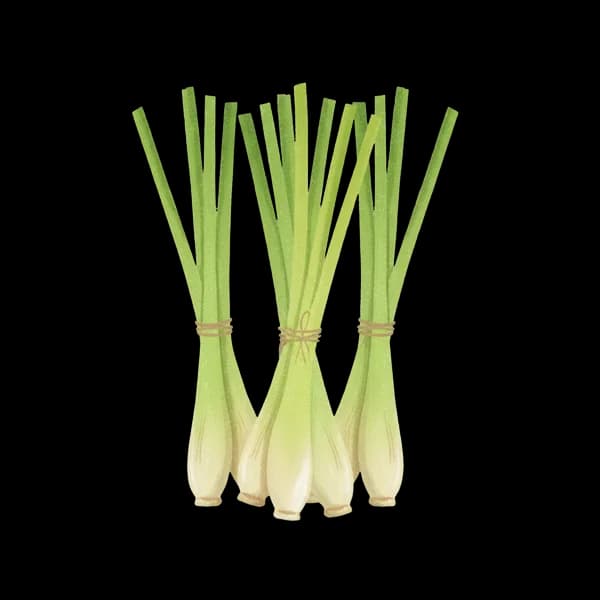
Lemongrass stem is the tender lower stalk of a tropical grass with a lemon aroma.
Substitutes for Lemongrass stem
Lemongrass syrup or a strong lemongrass tea covers it one for one, minus the fresh green edge. Lemon peel with a thin slice of ginger gets to roughly the same place by a different road and is what most bars actually reach for.
Often confused with
East Indian lemongrass
Cymbopogon flexuosus, grown mainly for perfumery and citral. The culinary stalk is C. citratus, and though the aromas overlap, there is a reason the perfumery species is not sold as a vegetable — it reads soapy in a drink.
Citronella grass
Same genus, different species, grown for the oil that goes into soap and insect repellent, and it smells next door to lemongrass and does not belong in food, let alone in a glass.
Description
Only the pale lower stalk of Cymbopogon citratus holds the concentrated essential oil — citral is most of it — which is why that is the part used. The tough upper stalk is usually bruised for an infusion and then discarded.
Storage
Wrapped in the fridge it holds a couple of weeks and dries out from the cut end first. It freezes better than almost any herb: chop it first, because a frozen stalk is impossible to cut and thaws limp.