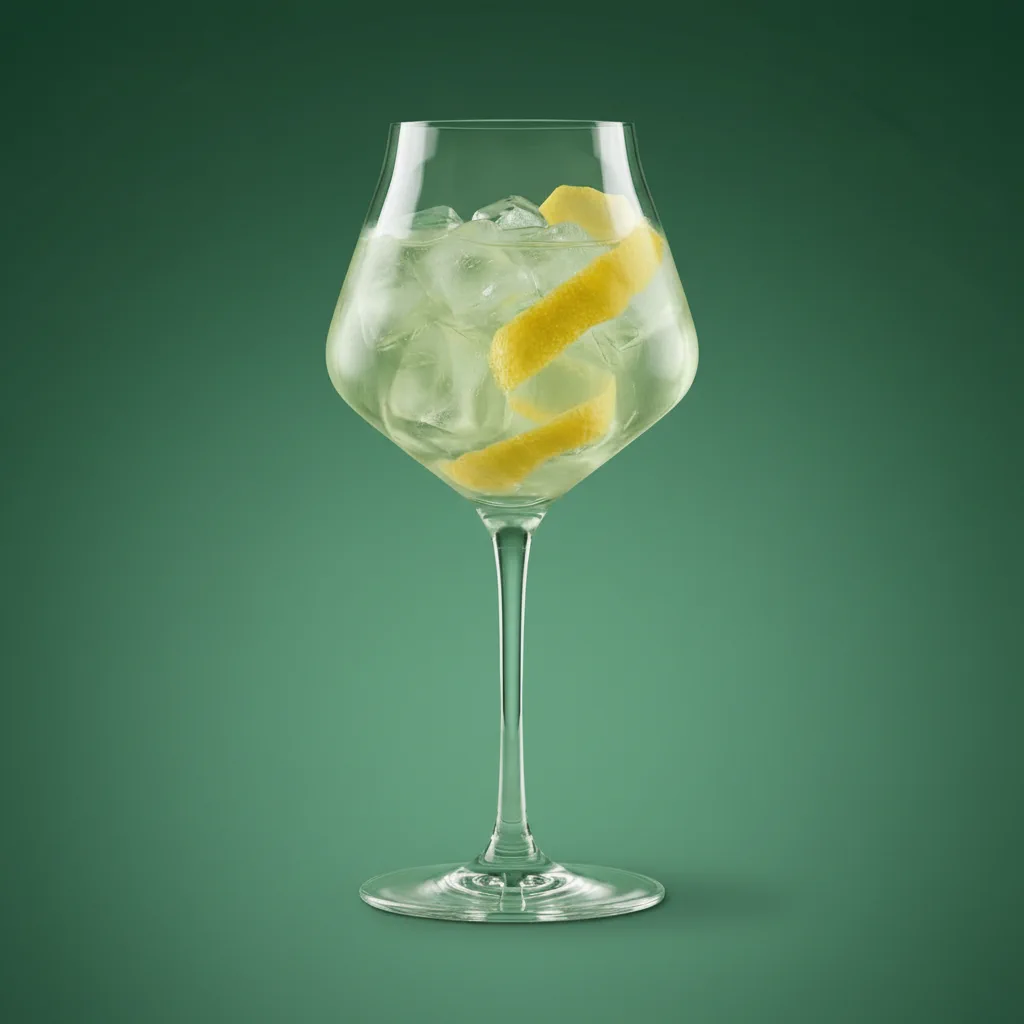
Cocktails with Marsala dry
Marsala dry is a fortified Sicilian wine at its driest classification, with up to 40 g/L residual sugar.
ABV17–20%The denomination sets a floor of 17.5% for Fine and 18% for Superiore and Vergine, so nothing labeled Marsala goes below it.
Substitutes for Marsala dry
Dry oloroso sherry or a Sercial Madeira pours one for one and lands close — a shade nuttier, a shade drier than the Marsala. Dry, oxidative and nutty, so the nearest bottles come from the same oxidative family rather than from the same country. Sweetness is the thing to check: the grades either side of dry are a different drink.
Often confused with
Sweet Marsala (dolce / semisecco)
Semisecco is over 40 and under 100 g/L residual sugar; dolce is over 100, against secco’s much drier band. They are the same wine at different sweetness, so the swap changes the sugar in the drink and nothing else.
Description
Dry, semi-dry and sweet are separate legal grades, so the word on the label here is a specification rather than a description. Note also that the figure is dry only by fortified-wine standards — in table-wine terms it is off-dry.
Storage
Keeps weeks to months in the fridge once opened, dulling over time.