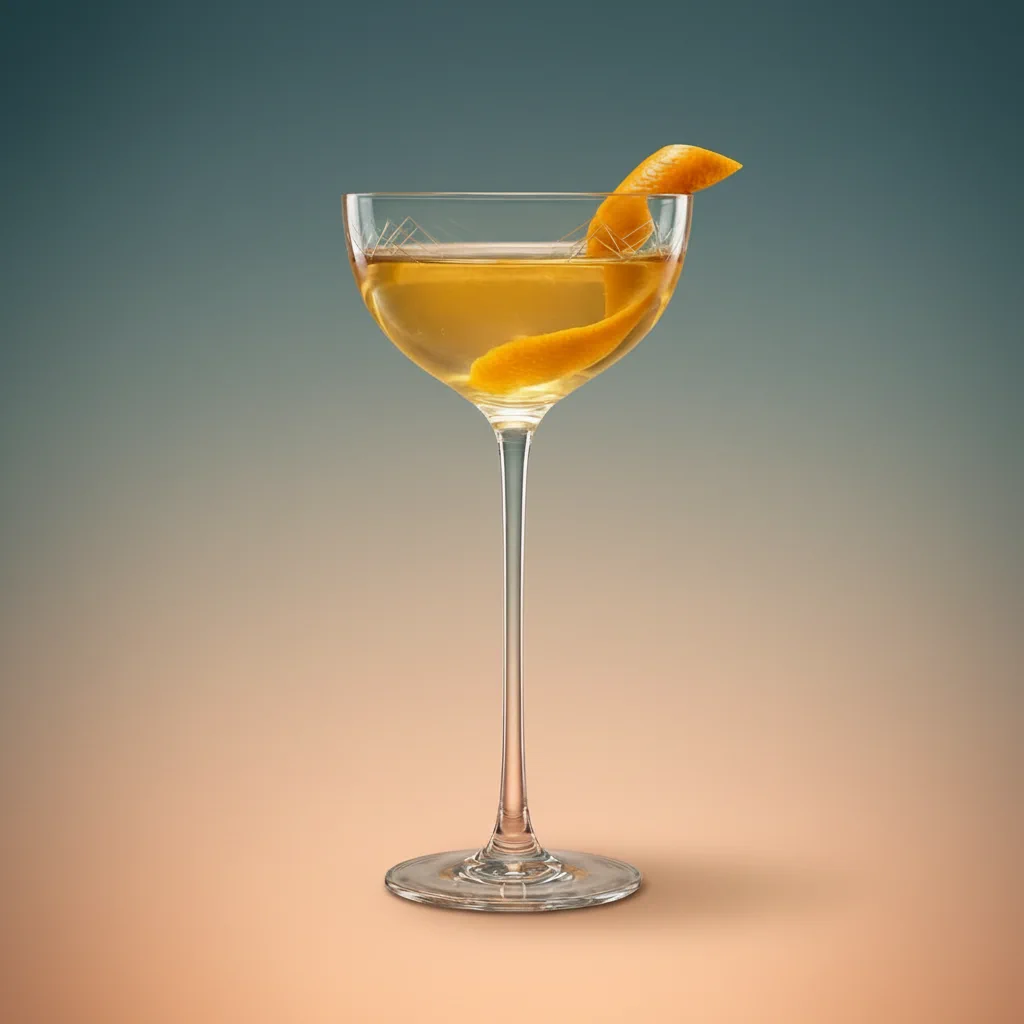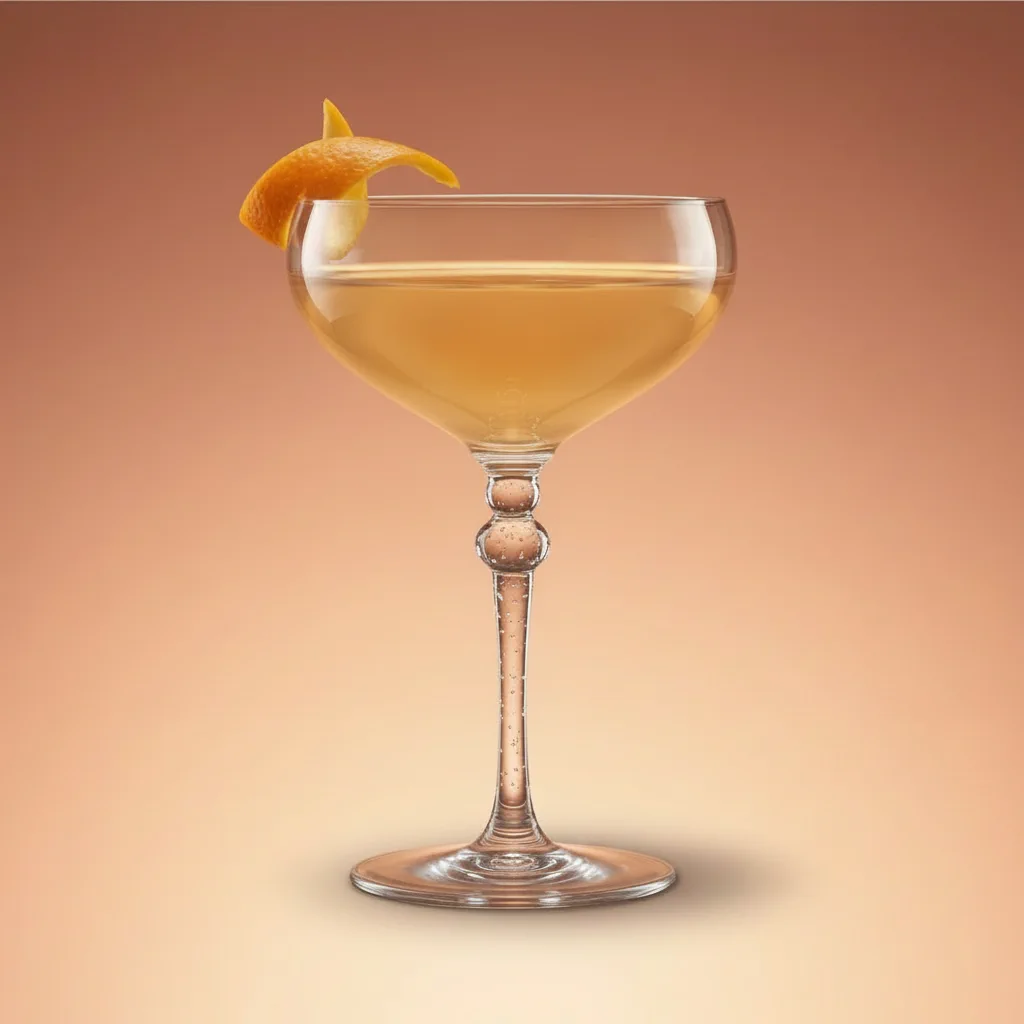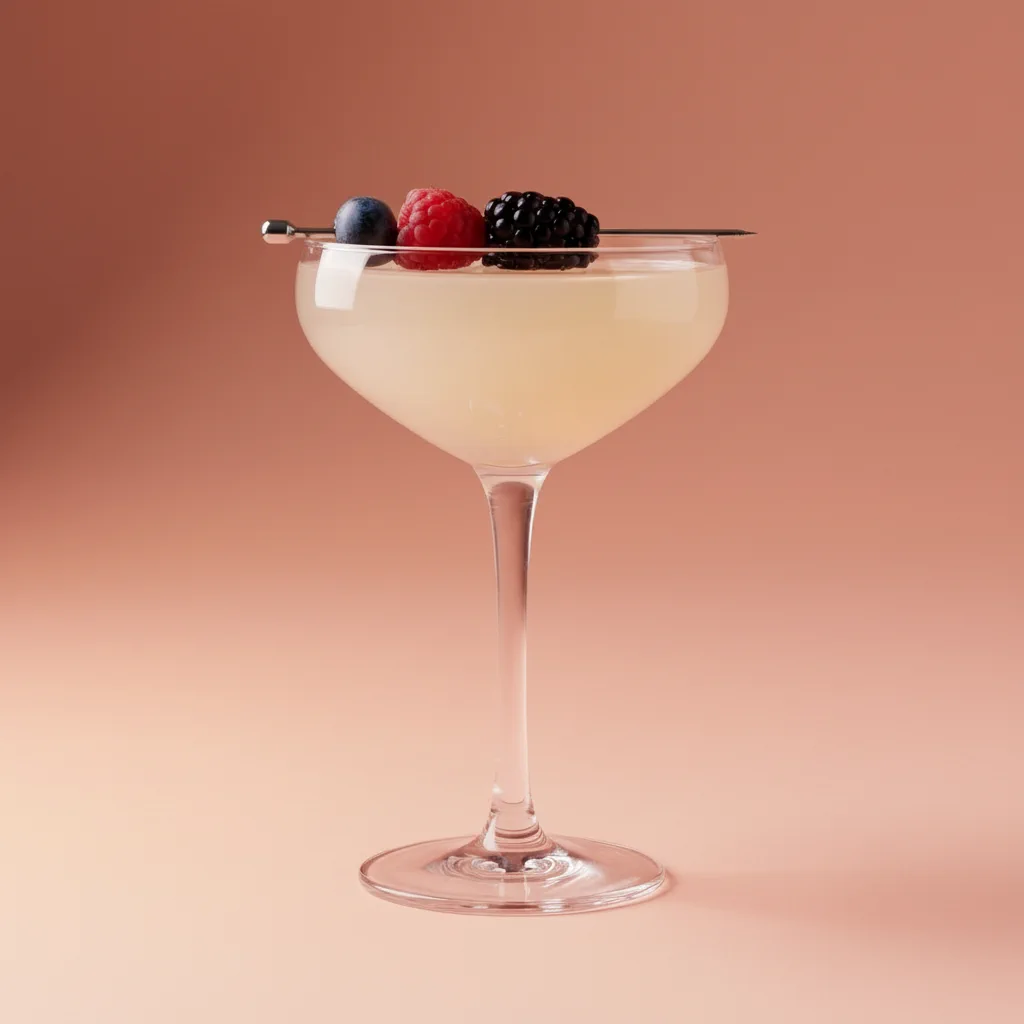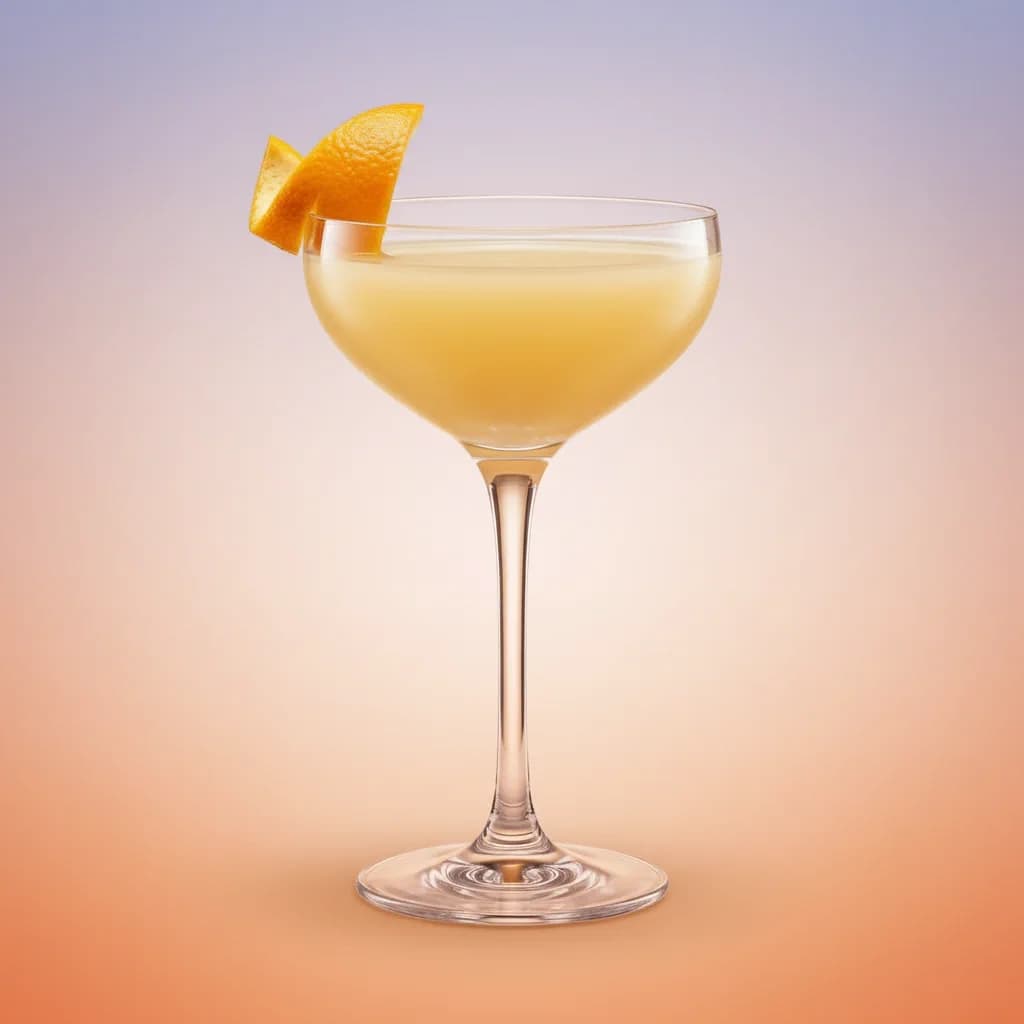
Cocktails with Oude genever
Oude genever is a traditional Dutch grain spirit. "Oude" means "old," and it refers to the historical recipe style, not to barrel aging as is often assumed. At heart it’s a blend of neutral spirit infused with juniper and spices and malt-wine (moutwijn) — at least 15% of it by law.
ABV38%(35% statutory minimum).
Substitutes for Oude genever
What makes it itself is malt wine, and no juniper spirit has it. The practical rebuild is a dry gin cut with an unpeated malt whisky, roughly three to one: the gin brings the juniper and the whisky brings back the grain body.
Often confused with
London dry gin
London dry is neutral spirit redistilled with botanicals, juniper in front. Oude genever stands on malt wine instead, so a dry gin in its place leaves the drink lean and sharp and takes the bread out of it.
Jonge Genever
Under 15% malt wine, against considerably more in oude. The drink comes out lighter and cleaner, nearer vodka than whisky: the grain weight that makes oude worth pouring into a Dutch Manhattan is gone.
Description
Oude carries no more than 20 g of sugar per liter — a dry spirit rather than the liqueur it is sometimes taken for.