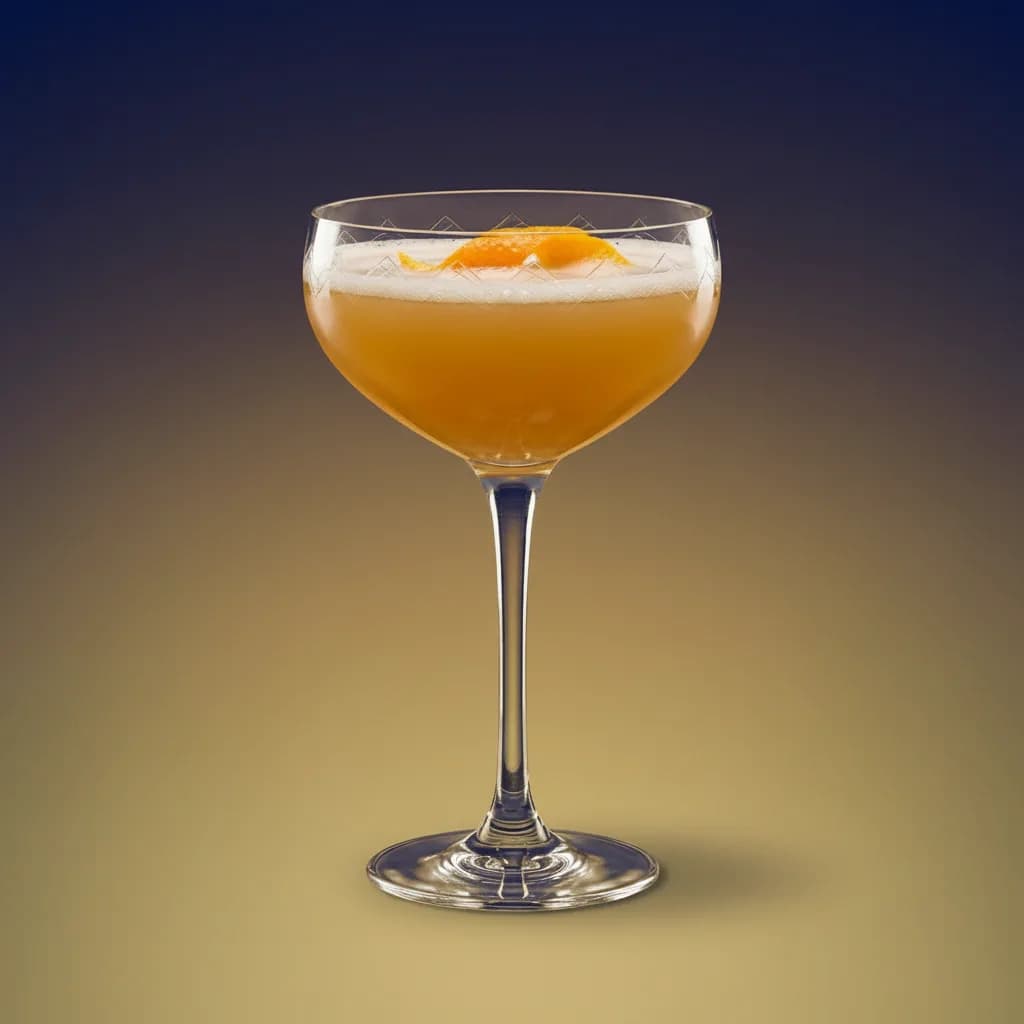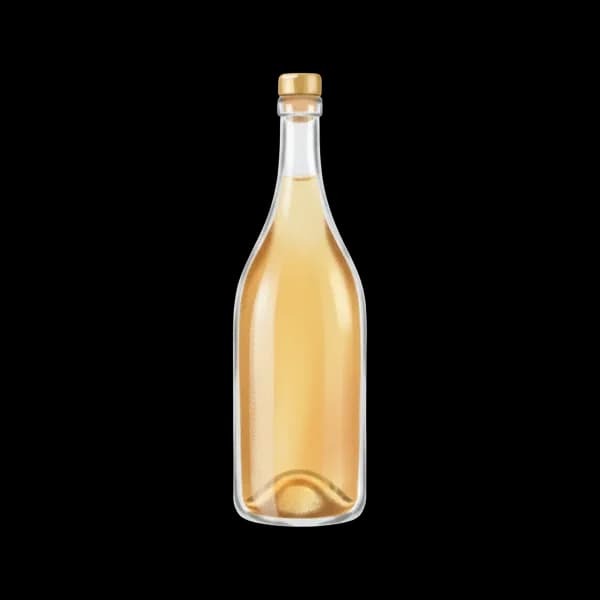
Cocktails with Pineau des Charentes blanc
Pineau des Charentes blanc is a French mistelle from the Charentes: white grape must stopped with brandy before it can ferment, then aged in oak.
ABV16–22%
Substitutes for Pineau des Charentes blanc
Nothing else is both sweet and this grapey, so the swap decides which half to keep. A sweet aromatized wine sits closest on sweetness and strength and brings botanicals this has none of. A white vermouth with a spoon of grape juice gets nearer the fruit and further from the herbs.
Often confused with
Floc de Gascogne / Macvin du Jura / Pommeau (mistelle-type liqueur wines)
All are French mistelles — a regional spirit added to unfermented juice or must — but Pineau des Charentes uses Charentes grape must fortified with cognac spirit. Floc de Gascogne takes Armagnac, Macvin marc du Jura, Pommeau apple juice and apple brandy. Any of them will fill the same slot in a recipe with a different fruit and a different accent.
Conventional fermented white wine
Pinot is a fortified mistelle: the grape sugar is kept, fermentation weak or absent, and cognac lifts the strength. White wine is fully fermented and unfortified, so in its place a drink loses both its sweetness and several degrees.
Description
It ages at least 18 months, 12 of them in oak, and the grapes and the eau-de-vie must come from one estate.