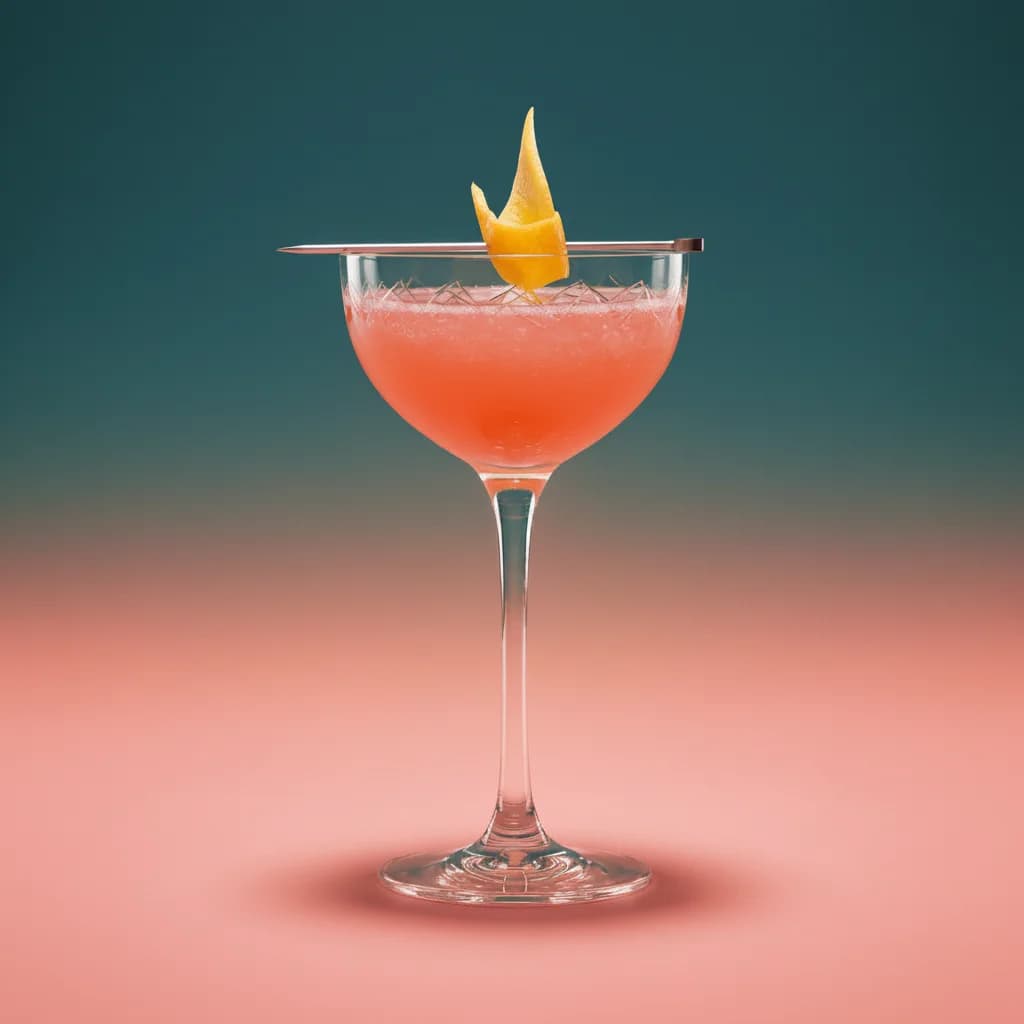
Cocktails with Rosé Champagne
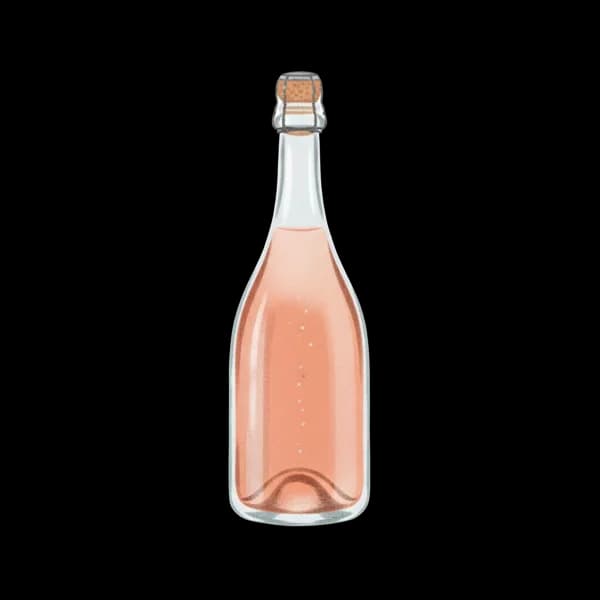
Rosé Champagne is a pink sparkling wine from Champagne — dry, berry-scented, with the fine persistent bead the appellation is known for.
ABV11–14%
Substitutes for Rosé Champagne
Dry sparkling rosé is the slot, and the difference between bottles is depth rather than color — the bottle-fermented ones carry a toasty weight the tank method does not. A white sparkling changes the look before it changes the taste.
On the label
- “brut”, “extra dry”, “sec”
- The names run backwards. By the EU dosage bands: brut nature under 3 g of sugar per liter, extra brut 0–6, brut under 12, extra dry 12–17, sec 17–32, demi-sec 32–50, doux over 50. So a bottle marked extra dry is SWEETER than one marked brut.
Often confused with
Sparkling rosé (non-Champagne)
Rosé Champagne must come from the delimited Champagne region (PDO) and be made by the traditional method. Other sparkling rosés — crémant rosé, cava rosada — may use the same method or another, but come from elsewhere and cannot be called Champagne. Most are fruitier and softer in the mousse, and a spritz built on one reads sweeter.
Still rosé wine
Rosé Champagne takes its bubbles from a second fermentation in the bottle; still rosé has none, though both are pink and may be colored the same way, by saignée or by blending. Pour the still wine into a sparkling recipe and the drink loses its lift and reads flat and sweet.