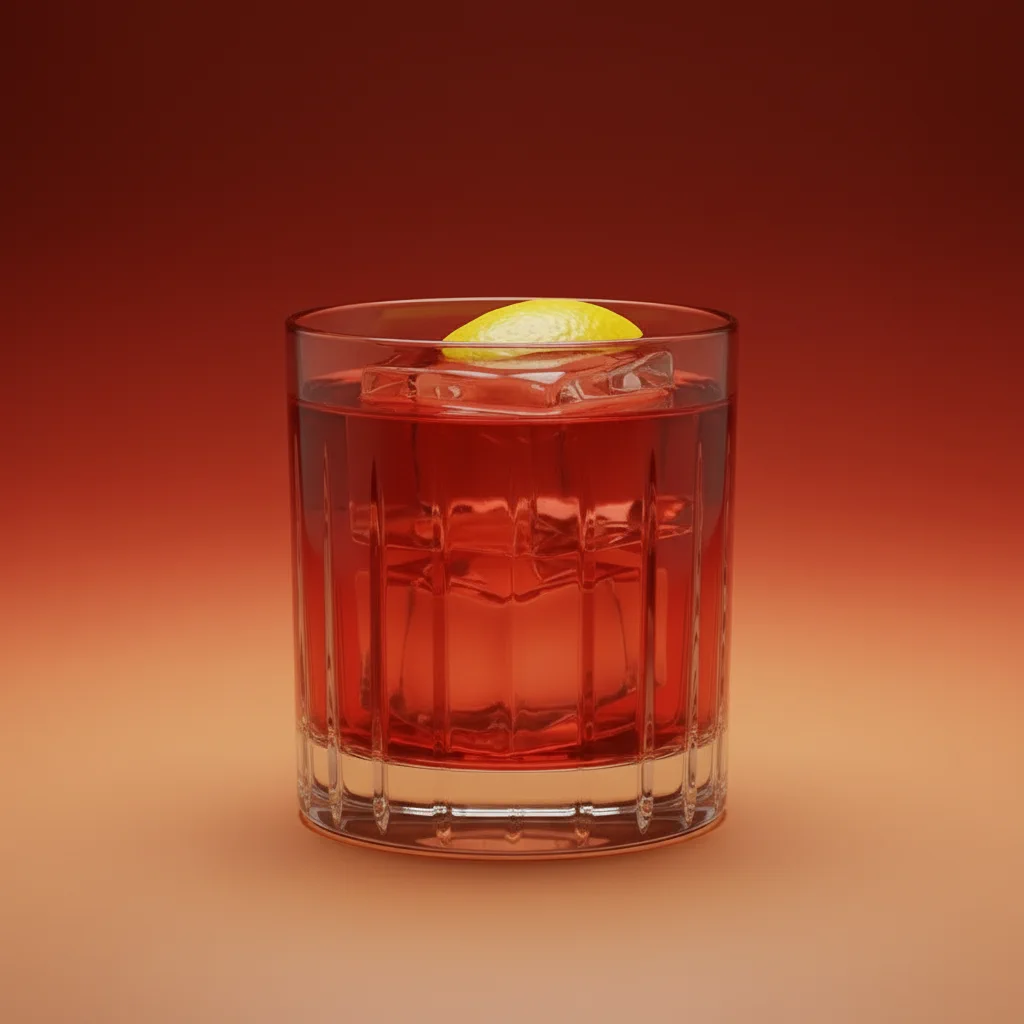
Cocktails with Sake
Sake is a Japanese brewed rice beverage of fermented rice, water and rice koji.
ABV15%
Substitutes for Sake
Rice umami and a soft, low-strength body, and the umami is what no grape wine brings. Strength is close to wine, so the volume stays the same, and the drink loses depth rather than balance.
Often confused with
Grape wine
Wine ferments the sugars already in the fruit; sake converts rice starch to sugar and to alcohol at once, which puts it technically closer to beer. It is lower in acid than wine, so a drink built on sake needs its citrus kept and its sweetness watched.
Other East Asian rice wines (e.g. huangjiu, cheongju)
Sake is specifically the Japanese product, with its own koji tradition; the word should not be stretched to cover every East Asian rice wine. The others are often sweeter or more savory, and they will pull a drink off the mark.
Description
Undiluted sake reaches 18–20% ABV and is usually cut with water before bottling — which is why the bottle more often reads 15.
Storage
Once opened, refrigerate and use within a week or two — the freshness fades.