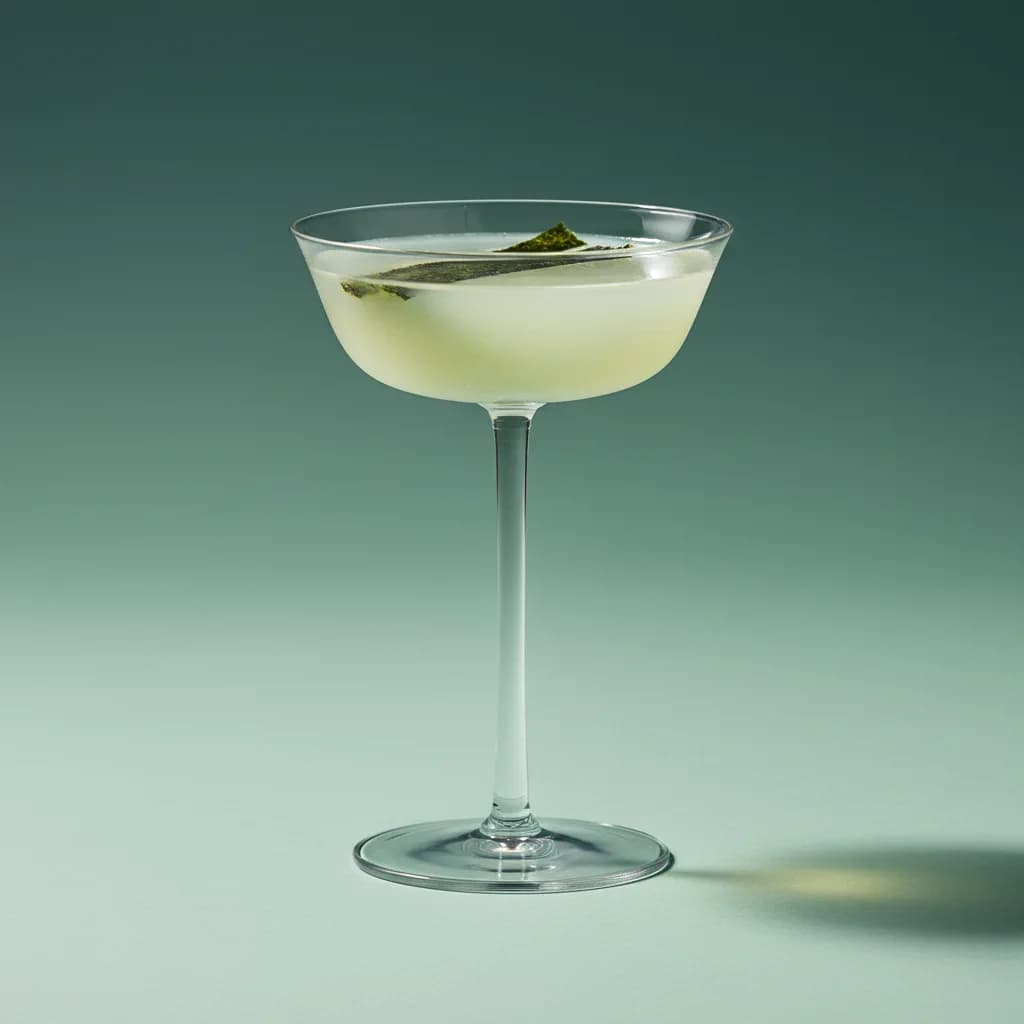
Cocktails with Wasabi paste
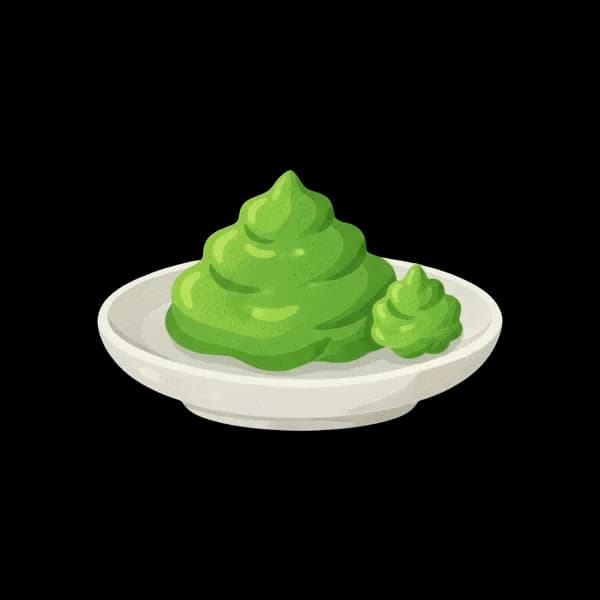
Wasabi paste is a pungent green condiment of grated wasabi rhizome.
Substitutes for Wasabi paste
Horseradish, fresh or as sauce, gives the same nasal heat from the same compound. Most tubes are already horseradish with mustard and coloring, so the substitution is often no substitution at all. Mustard alone brings heat and a flavor that does not belong.
Often confused with
Real wasabi
The grated rhizome of Eutrema japonicum, rare and expensive, sweeter and more herbal than the tube, and if a drink is built on wasabi as a flavor and not just heat, this is the difference that shows.
Horseradish
Armoracia rusticana, and the source of the heat in most commercial wasabi. The same compound, a coarser and earthier flavor — it works in a Bloody Mary and reads blunter, with none of the green top note.
Storage
Refrigerated and tightly closed, and used quickly once open. The pungent compound is volatile and starts leaving as soon as the tube is broached: real grated wasabi loses its edge within minutes, which is why restaurants grate it at the counter.