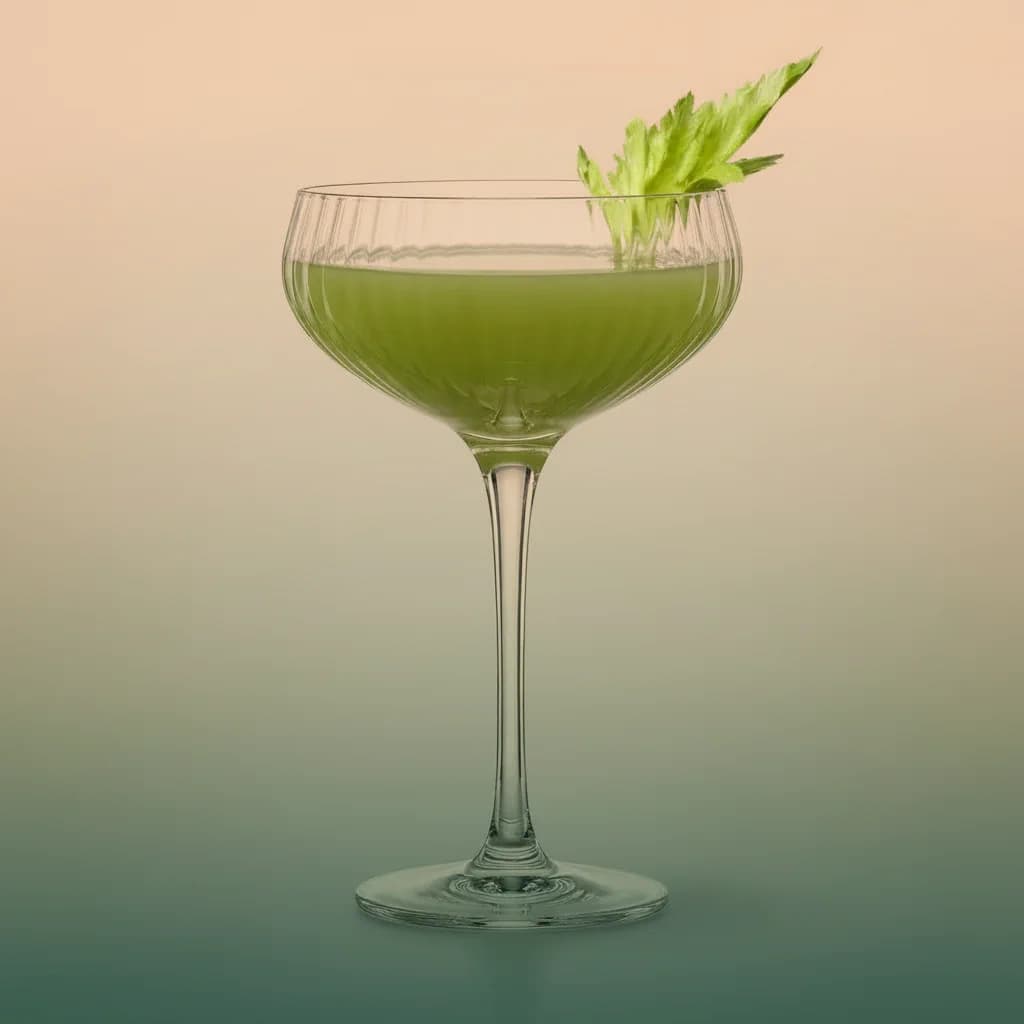
Cocktails with White wine vinegar
White wine vinegar is a vinegar from fermented white wine — a dilute solution of acetic acid.
Substitutes for White wine vinegar
Cider vinegar is the nearest in weight and adds an apple note. Rice vinegar is milder and softer, so it needs a heavier hand. Lemon juice covers the acid alone: the fermented, slightly savory depth is what goes missing.
Often confused with
White balsamic vinegar
It is made from reduced grape must, so it is sweet, thick and has almost no bite, where this one is dry and sharp. It is a seasoning for sweetness, not a source of acidity — a shrub built on it will not set the drink straight.
Distilled white vinegar
Colorless too, and that is the end of the resemblance. It is neutral, usually stronger; brings nothing of the wine. In a savory build that is fine, in anything delicate it is blunt.
Storage
Sealed at room temperature it outlasts anything else on the shelf. A cloudy strand may form in the bottle. That is the mother, it is harmless, and you can strain it out if the look bothers you.