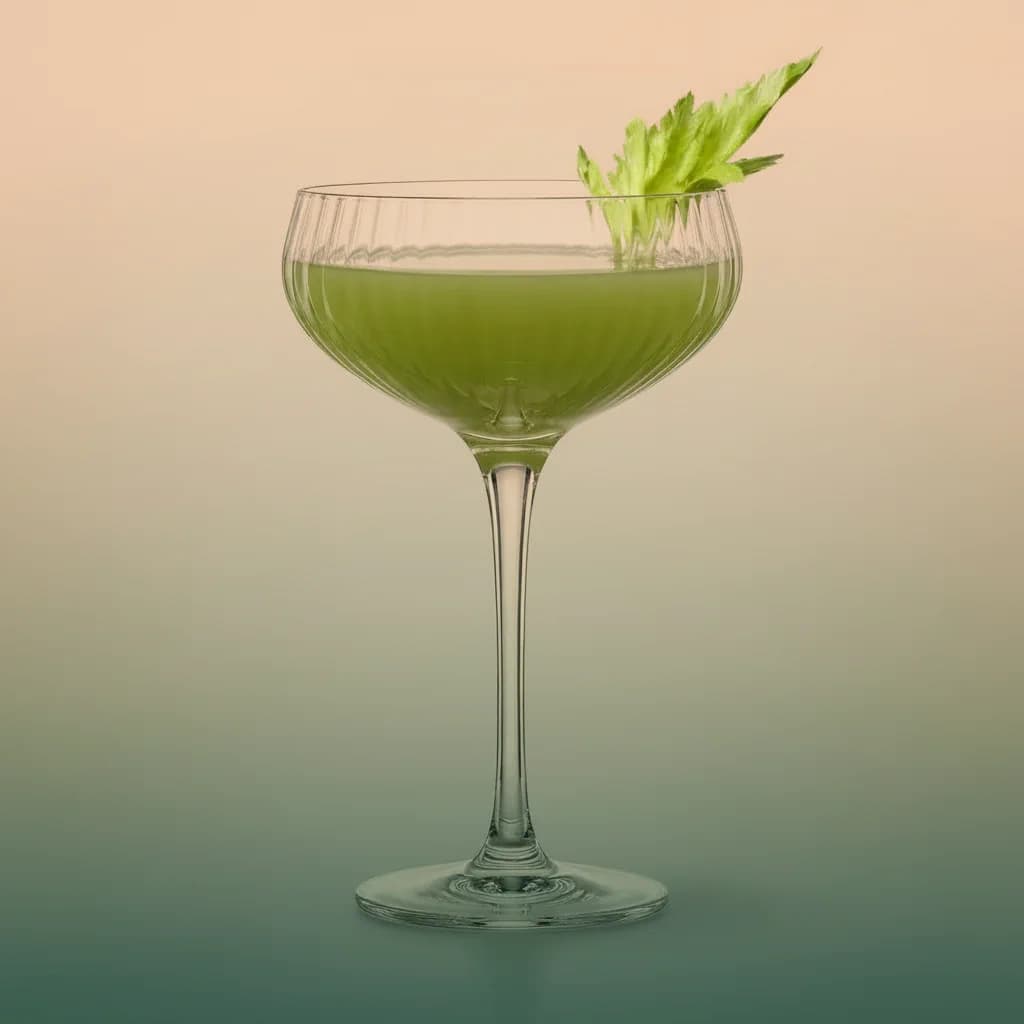
Cocktails with White wine vinegar
White wine vinegar is a vinegar from fermented white wine — a dilute solution of acetic acid.
How it's used
The light one, and that is its whole job: it sours a drink without staining it. In a berry or cucumber shrub the red version muddies the color and this one leaves it alone. Two or three drops is the working quantity — vinegar reads as a fault long before it reads as an ingredient. Honey, herbs and stone fruit all take it.
Substitutes for White wine vinegar
Champagne vinegar works one for one; it is a white wine vinegar too, at 5.5–6% acidity. Cider vinegar, usually 5%, also works one for one and adds a faint apple note. Rice vinegar is milder, at about 4.3% acidity, so use a little more, but avoid seasoned (sushi) rice vinegar, which adds sugar and salt.
White balsamic vinegar
Wine vinegar blended with grape must, noticeably sweet: Rocca di Vignola's has 17.6 g of sugar per 100 g. If you use it, add a few drops of lemon juice and expect a slightly sweeter drink.
Distilled white vinegar
Spirit vinegar with no wine character. US bottles are usually 5%, like cider vinegar, but many sold elsewhere are 6% or 9%. At 9%, use a little over half the measure; either way the drink loses the wine note.
Storage
Sealed at room temperature it outlasts anything else on the shelf. A cloudy strand may form in the bottle. That is the mother, it is harmless, and you can strain it out if the look bothers you.