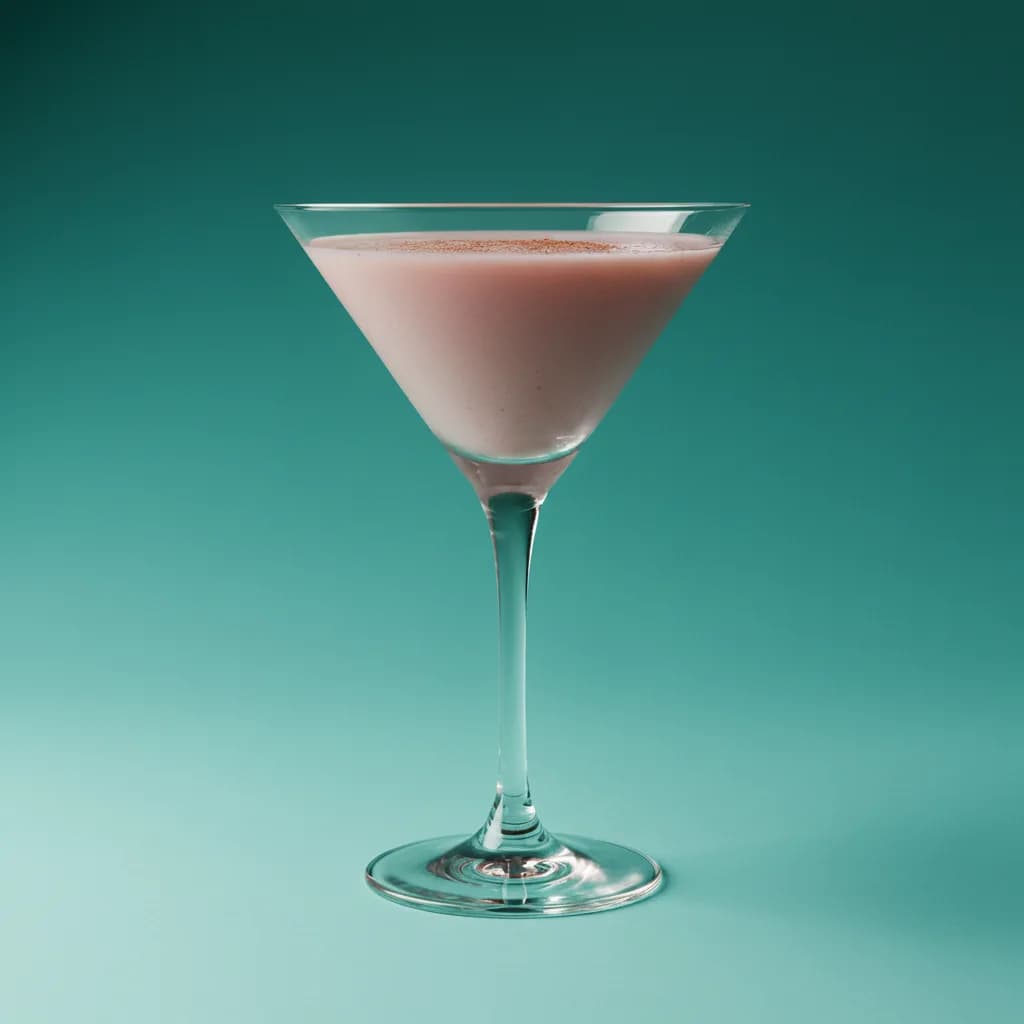
Cocktails with Apple syrup
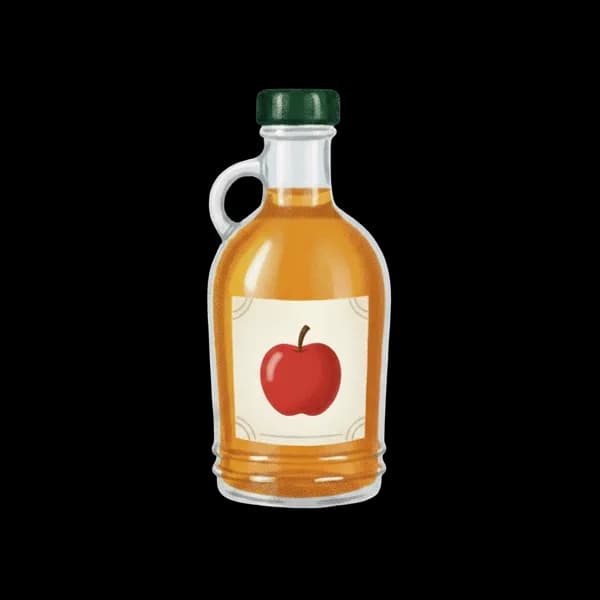
Apple syrup is a sweet, pourable apple-flavored syrup, most often boiled down from apple juice.
Substitutes for Apple syrup
Reducing apple juice yourself is the same product and takes an hour. Apple juice with sugar syrup covers sweetness and body without the cooked depth. Maple syrup replaces the warmth and not the fruit, and it is sweeter by volume.
Often confused with
Apple butter and appelstroop
Reduced apple cooked further, with the pulp kept in, so they spread instead of pour. They will not dissolve in a cold drink. Neither dissolves in a cold drink.
Cider syrup
Usually the same thing under another name, since the North American cider being boiled down is unfermented juice. A British label saying cider means the alcoholic drink — that syrup is a different product and will not swap in.
Storage
A commercial bottle keeps for months and wants the fridge once open. Homemade lasts a couple of weeks refrigerated, and a heavier reduction keeps longer because there is less water in it for anything to grow in.