Cocktails with Apricot
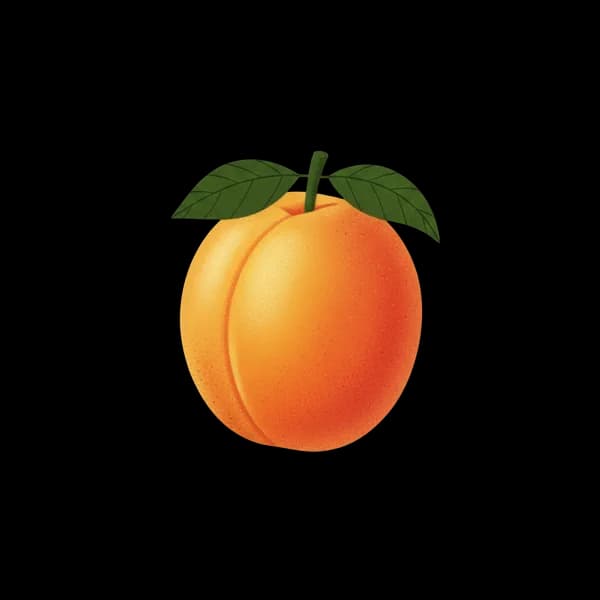
Apricot is an orange stone fruit with velvety skin, sweet and lightly tart.
Substitutes for Apricot
Flesh, tartness and a stone-fruit aroma, and the tartness is what survives ripening and makes it worth using. Anything sweeter fills the same place and leaves the drink without its edge.
Often confused with
Apricot purée
Already blitzed and skinned, and usually sweetened besides: less syrup in the recipe; the tartness of the fresh fruit is what you give up.
Canned halves
Blitz them with a spoonful of their own syrup; there is a lot of sugar in that tin, so the recipe’s own comes down sharply.
Dried apricots
A quarter of an hour in hot water and it breaks down easily into a thick purée. It comes out more caramelized than fresh apricot and keeps all year, so a drink made on it reads deeper and less bright.
Fresh peach
Closest in flesh, but softer and without the tartness apricot is chosen for, and the drink comes out rounder and needs a squeeze of lemon to hold its shape.
Apricot liqueur
Old recipes call it apricot brandy, but it is a sweet liqueur: flavor, sugar and alcohol together, standing in for the fruit and the syrup at once. A true apricot distillate is the opposite — bone dry.