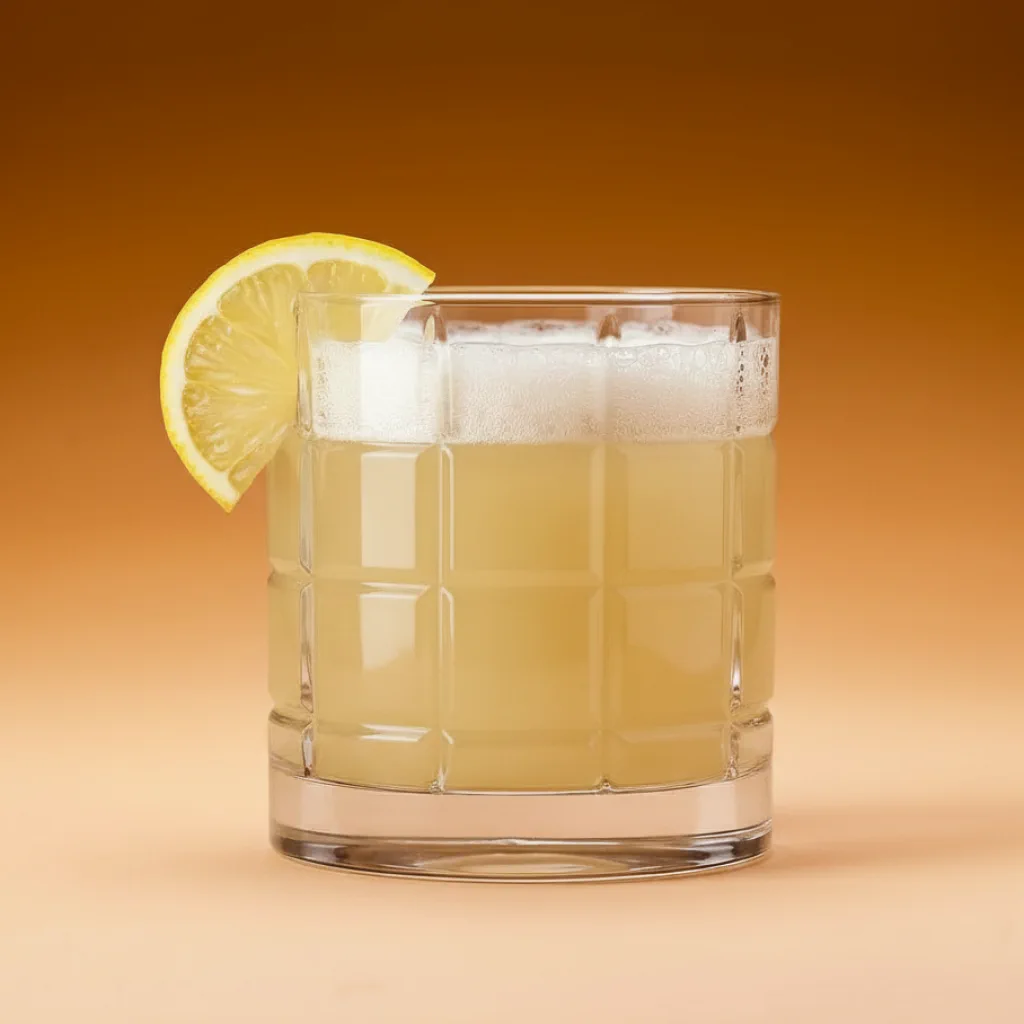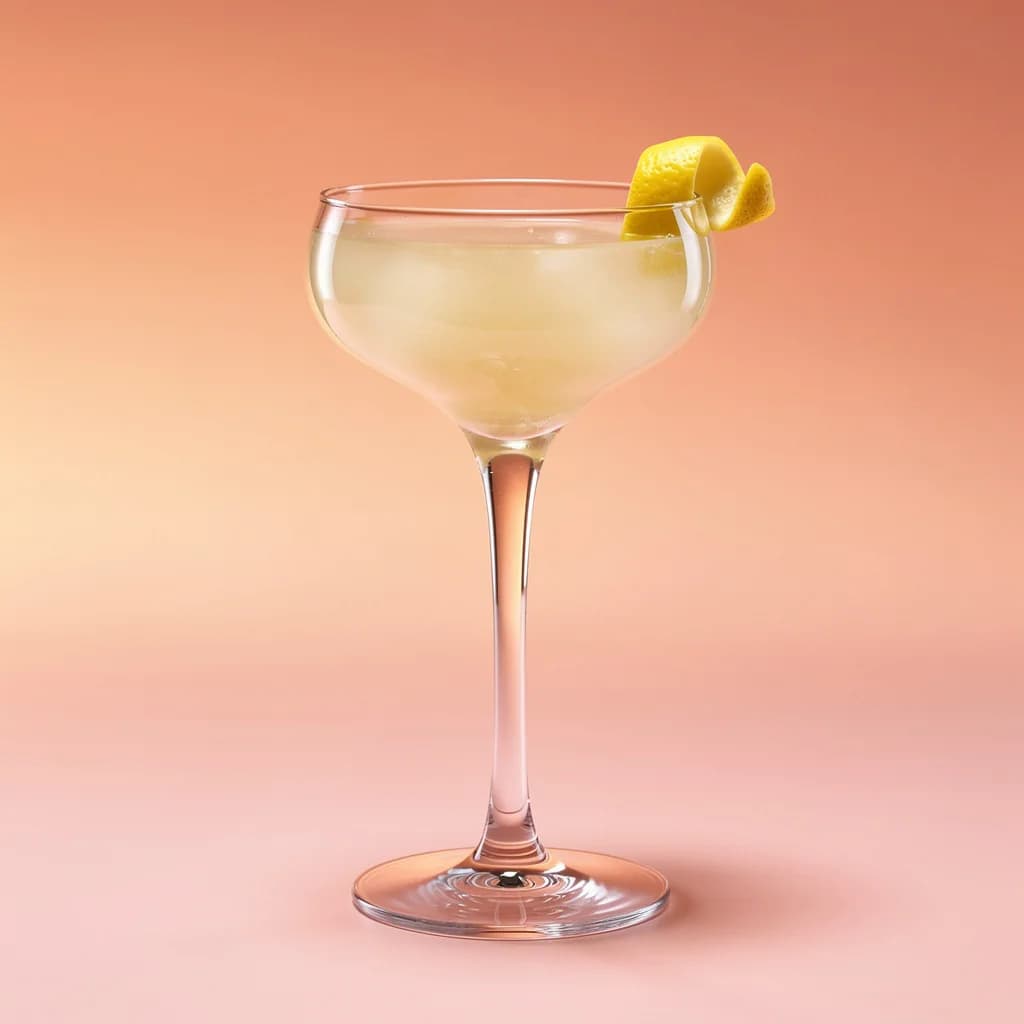
Blanc quinquina is a pale, wine-based aromatised aperitif whose defining flavouring is quinine drawn from cinchona bark.
A faintly bitter, tonic-like aroma leads into a light-bodied palate carrying quinine's dry bitterness against gentle wine sweetness.
Stirred or built in modest measures, it works as a low-proof aromatic modifier, lending bitter-tonic structure to a base spirit; poured chilled it also stands alone over ice as a lengthened aperitif.
Another pale bitter aromatised wine of similar weight, or a blanc/dry vermouth for a comparable low-proof aperitif role.
Americano (bitter aromatised wine)
Both are bitter aromatised wines, but a quinquina's defining/main bitter flavouring is quinine (cinchona), whereas an Americano's flavouring is a mix of quinine/gentian with wormwood; they are legally distinct denominations under the same bitter-aromatised-wine category.
Bitter vino (bitter aromatised wine)
Bitter vino's main flavouring under EU 251/2014 is natural gentian flavouring (and it is coloured), whereas a quinquina's main flavouring is natural quinine flavouring.
Dry/white vermouth
Vermouth must be flavoured with a member of the Artemisia (wormwood) genus as a defining requirement, whereas a quinquina is defined by quinine flavouring; a blanc quinquina and a blanc/dry vermouth can look and be used similarly but are legally and aromatically different products.
A member of the aromatised-wine family, it is built on a wine base — at least 75% grapevine products under EU rules — fortified and flavoured, with cinchona bark supplying the characteristic quinine note; the 'blanc' designation marks the pale, golden-amber style rather than a red one. Under EU Regulation 251/2014 it falls within the 'bitter aromatised wine' denomination, which may be styled 'Quinquina wine' when natural quinine flavouring predominates.
An opened bottle oxidises and loses aroma far faster than a spirit; refrigerate after opening and use within a few weeks.
Quinquinas originated in 19th-century France, developing after the 1830 French invasion of Algeria as palatable wine-based tonics carrying high levels of quinine used against malaria.