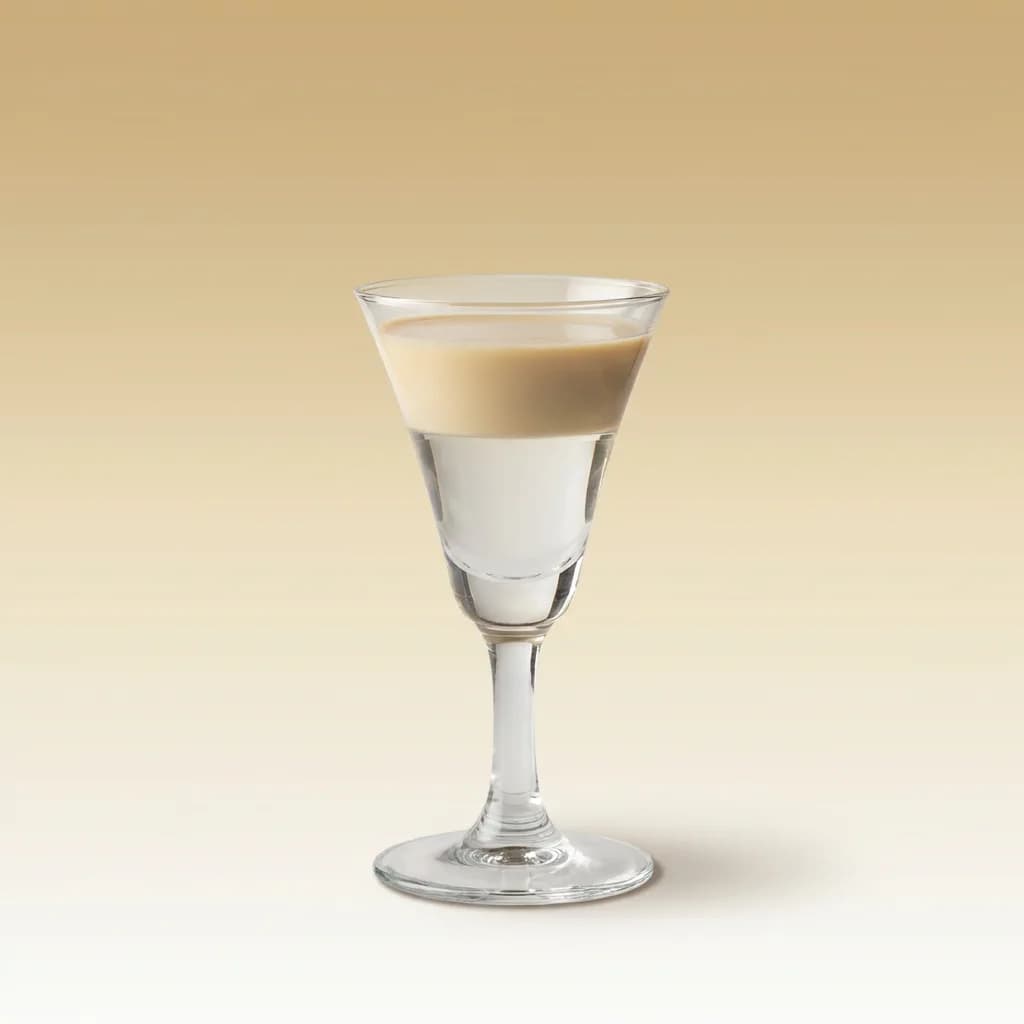
Cocktails with Butterscotch liqueur
Butterscotch liqueur is a sweet liqueur made to imitate butterscotch, the confection of brown sugar and butter.
ABV15–20%
Substitutes for Butterscotch liqueur
Brown sugar and butter is the flavor, and the bottle is weak at around 17.5%, so a stronger substitute needs cutting and a syrup needs spirit adding. Salted caramel syrup with neutral spirit in roughly equal parts lands close.
Often confused with
Caramel liqueur
Butterscotch takes its flavor from cane sugar and butter and characteristically has no milk; caramel is white sugar cooked to caramelization, often with milk or cream. They are close cousins rather than the same thing, and the caramel version reads dairy-sweet and can cloud a clear drink.
Description
It is an American-style schnapps: neutral grain spirit built up with flavoring, sugar and usually glycerine into something smooth and syrupy, rather than anything distilled from the confection it names.