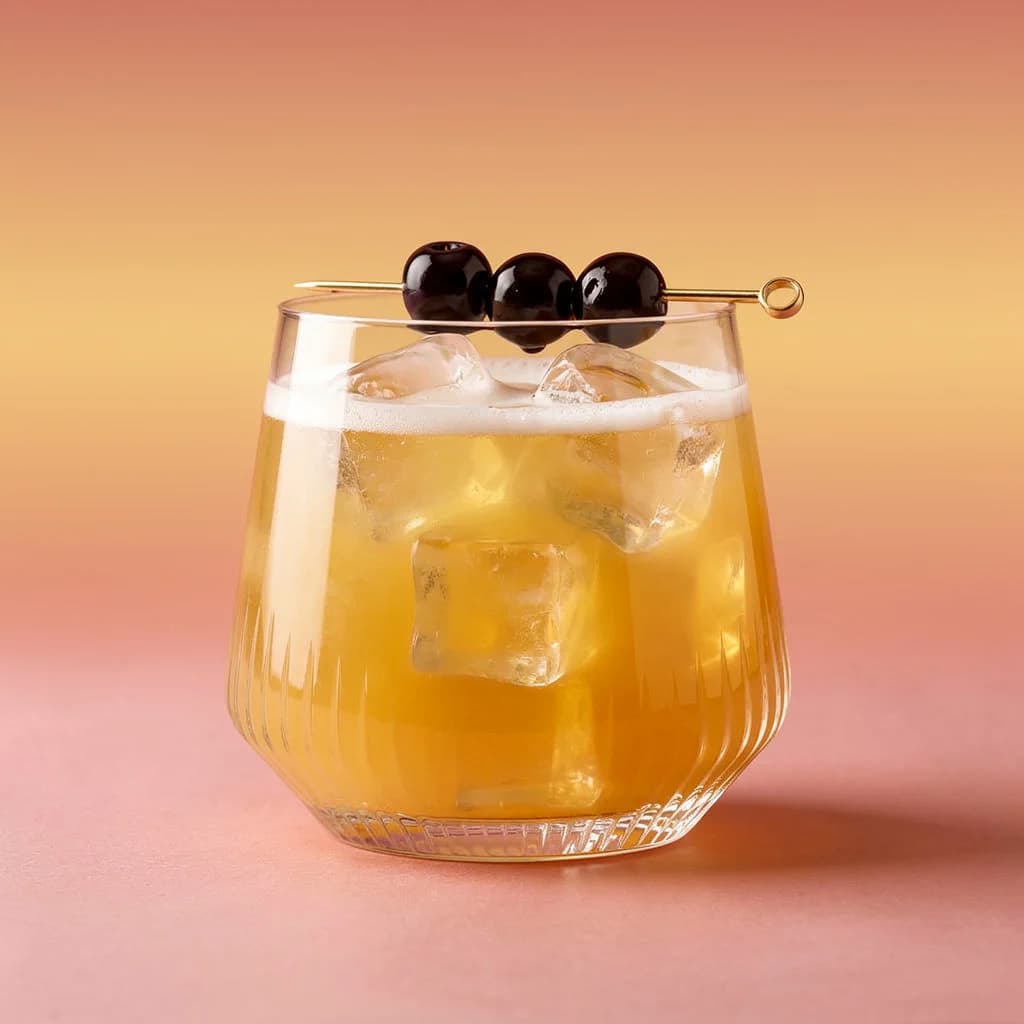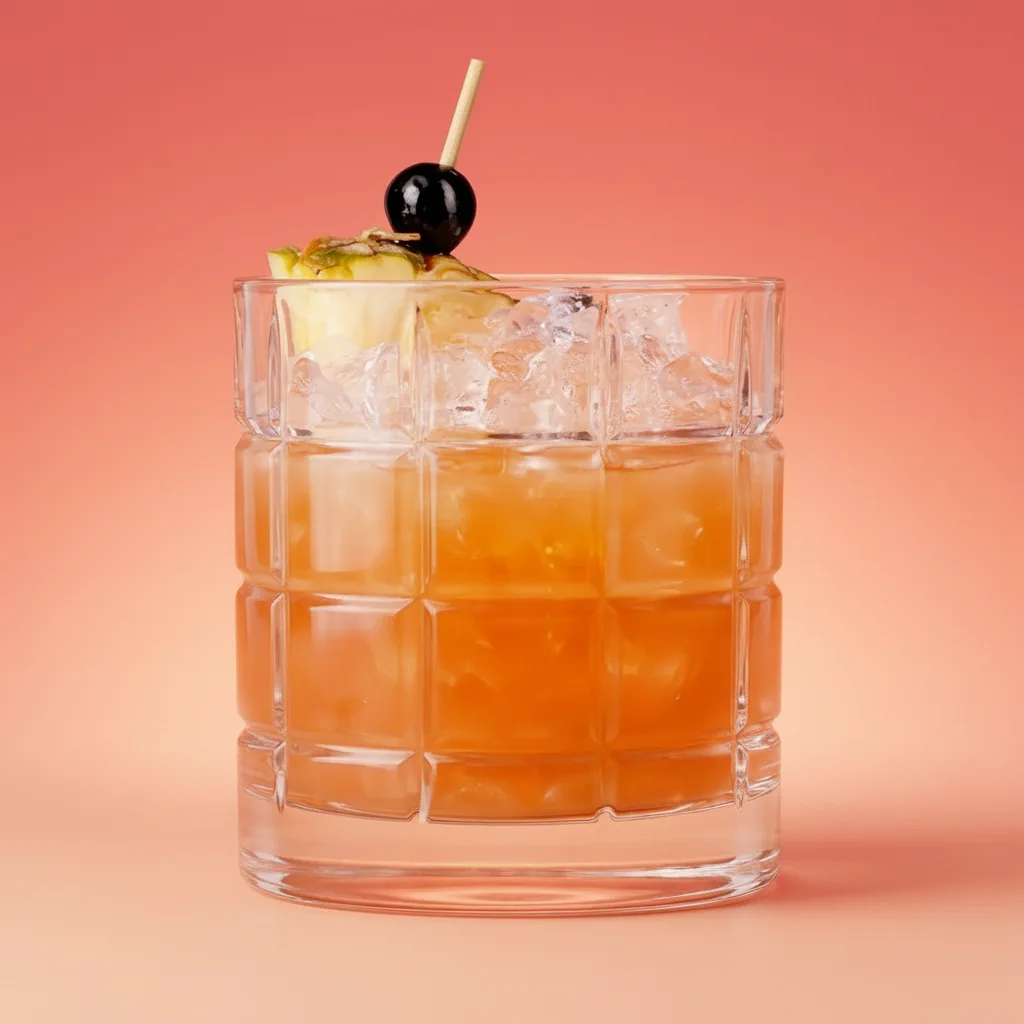
Cocktails with Demerara syrup
Demerara syrup is a liquid sweetener made by dissolving raw demerara cane sugar in water, usually at a rich 2:1 ratio.
Substitutes for Demerara syrup
Density is the variable to watch, because a rich syrup sweetens far harder for the same pour — check which one the recipe assumed. A plain syrup covers the sweetness and leaves the molasses note behind.
Often confused with
Simple syrup
White sugar and water, neutral. It brings none of the molasses color or caramel depth, so a tiki drink built on demerara comes out paler and flatter — and the swap is not one to one if the demerara syrup was cooked thick.
Gum syrup
Demerara or white syrup with gum arabic added for texture. It pours thicker and gives a drink a rounder mouthfeel that plain syrup cannot.
Storage
Refrigerated and sealed, and a rich syrup keeps longer than a one-to-one because there is less water in it for anything to live on. A month is realistic; clouding or threads mean it has gone.