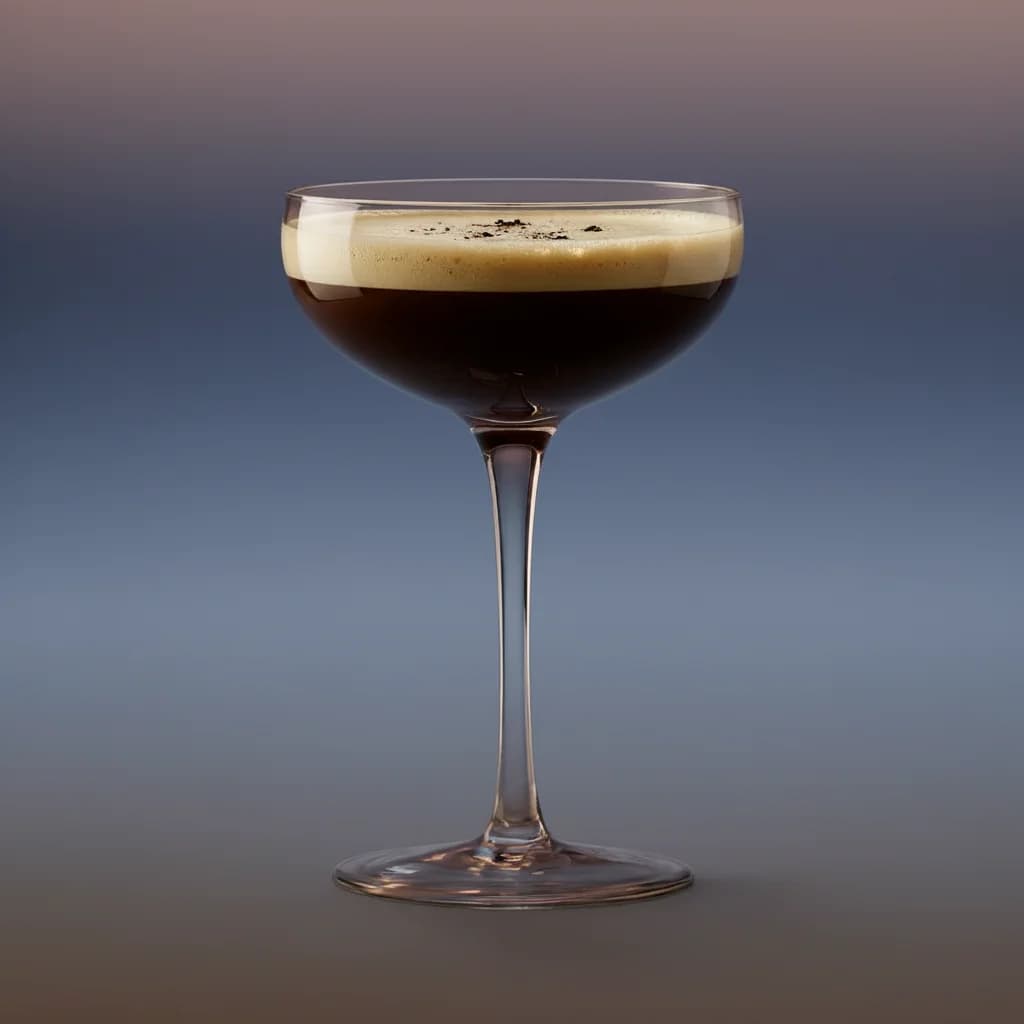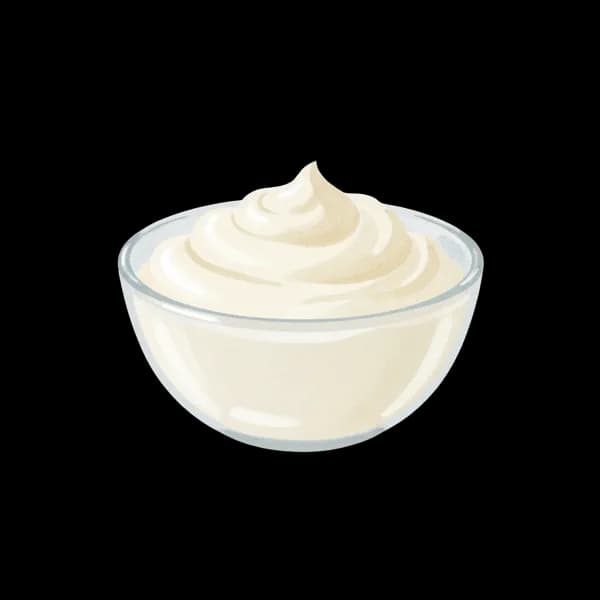
Double cream (UK) and heavy cream (US) are the highest-fat liquid dairy creams, the fat-rich layer skimmed from milk and defined by a minimum milkfat percentage.
Clean and mild, with a faint dairy sweetness; the dominant impression is a thick, coating richness rather than a distinct flavour.
A small splash enriches and adds opaque body, while larger measures carry texture as a main element; its high fat whips to stiff peaks and resists splitting in hot or acidic mixes, though over-agitation in hard shaking can churn the fat toward butter. It can be thinned with milk to approximate a lighter single cream when less body is wanted.
As a small enriching splash, single cream or half-and-half stands in, giving the same clean dairy aroma and opaque colour in a lighter body. Where the recipe depends on high fat — whipping to stable peaks, resisting split, or delivering heavy mouthfeel as the main body — they fall short and must be enriched with added fat such as butter or a higher-fat cream.
Double/heavy cream is high-fat (heavy cream ≥36% US; double cream ≥48% UK); single cream (≥18% UK) and half-and-half are lower fat and will not whip into stable peaks.
Whipping cream sits at a lower fat band (UK ≥35%; US ~30–36%) than double cream (≥48%); double cream is markedly thicker and more resistant to splitting in hot liquids.
Skimmed as the fat-rich layer that separates to the top of un-homogenized milk, cream is graded principally by its butterfat percentage. Under US law heavy cream contains not less than 36 percent milkfat and is pasteurized or ultra-pasteurized and may be homogenized; under UK standards double cream must contain not less than 48 percent milk fat, sitting above whipping cream (≥35%) and single cream (≥18%).
Highly perishable; keep refrigerated and use before its date, as it sours and separates once past its best.