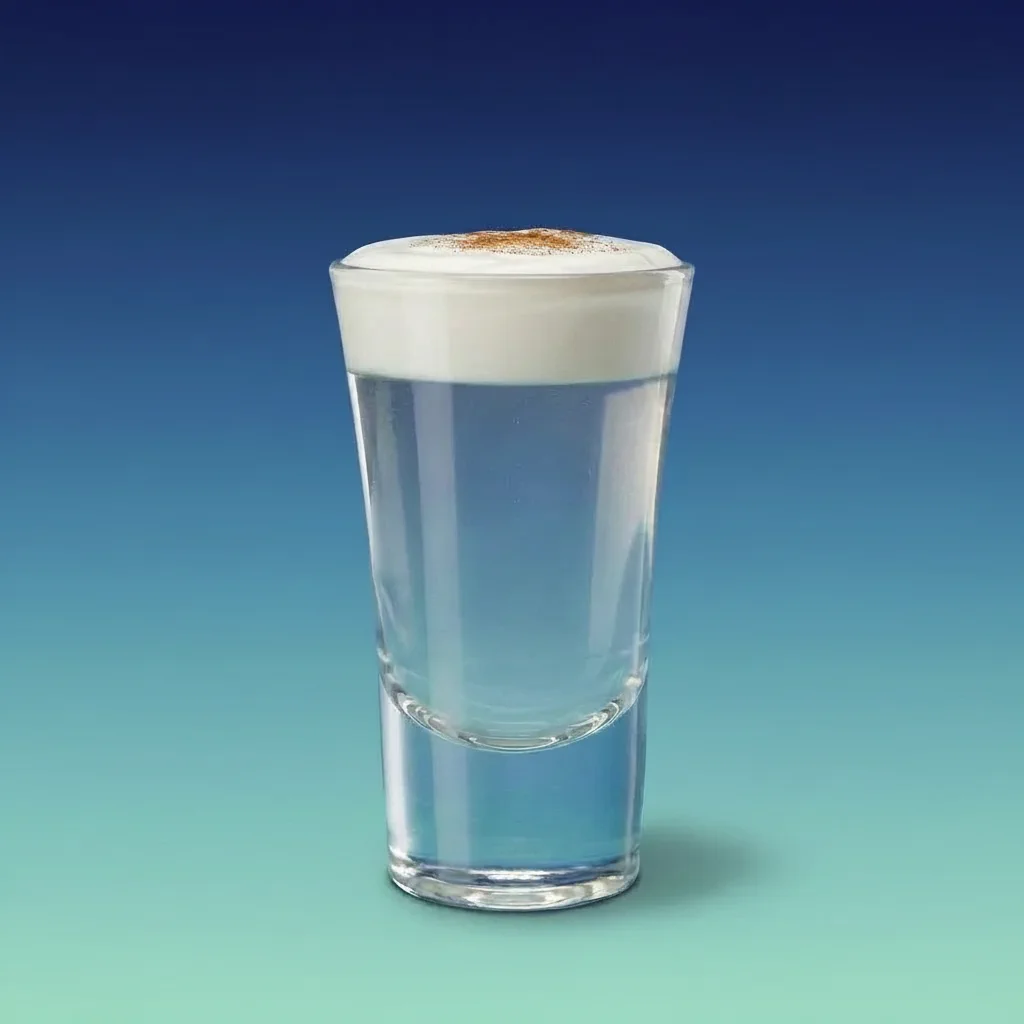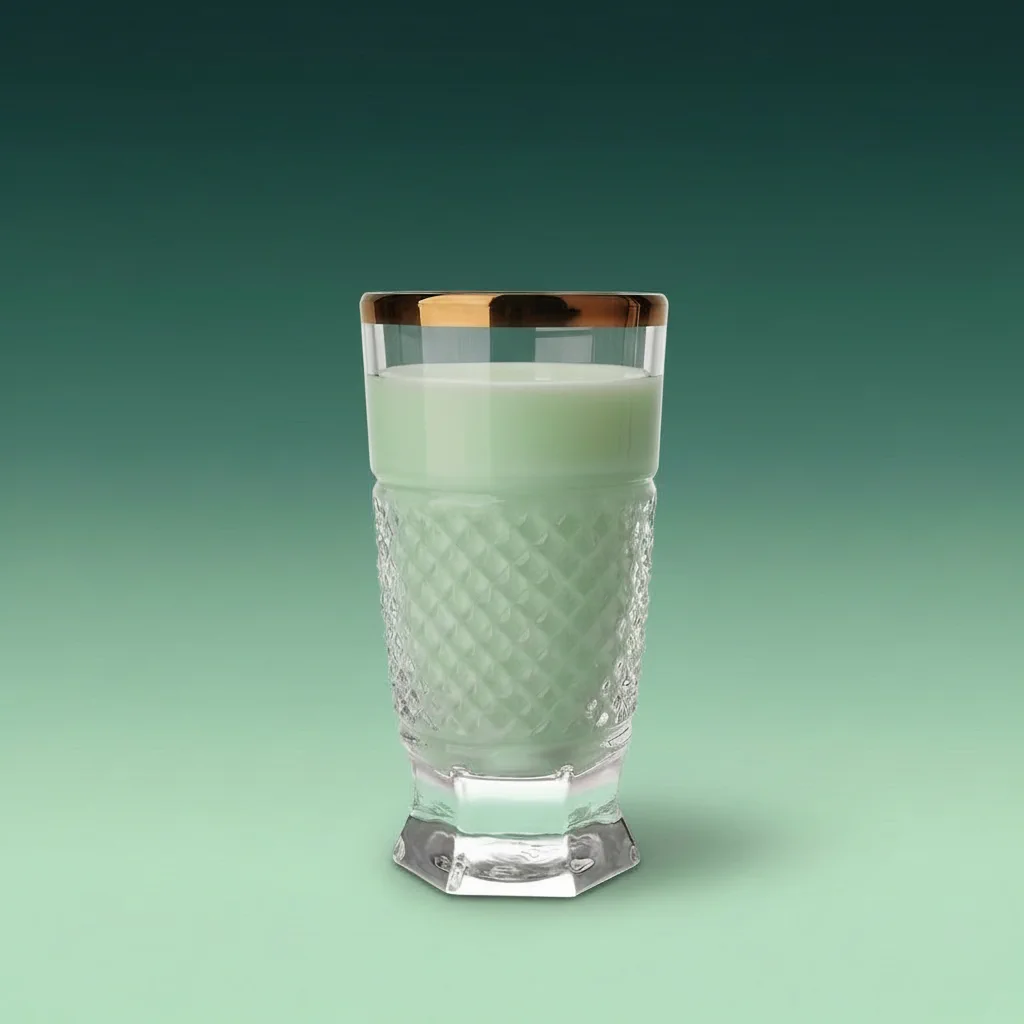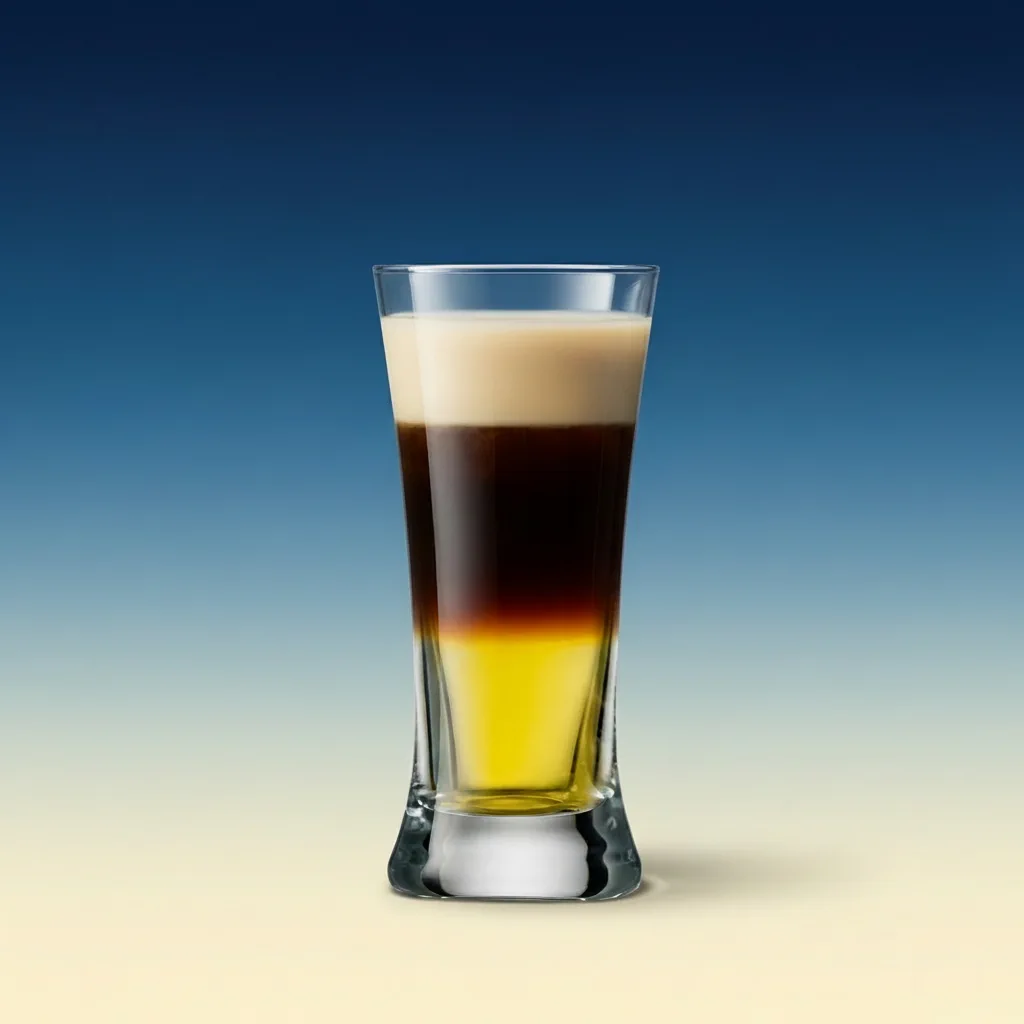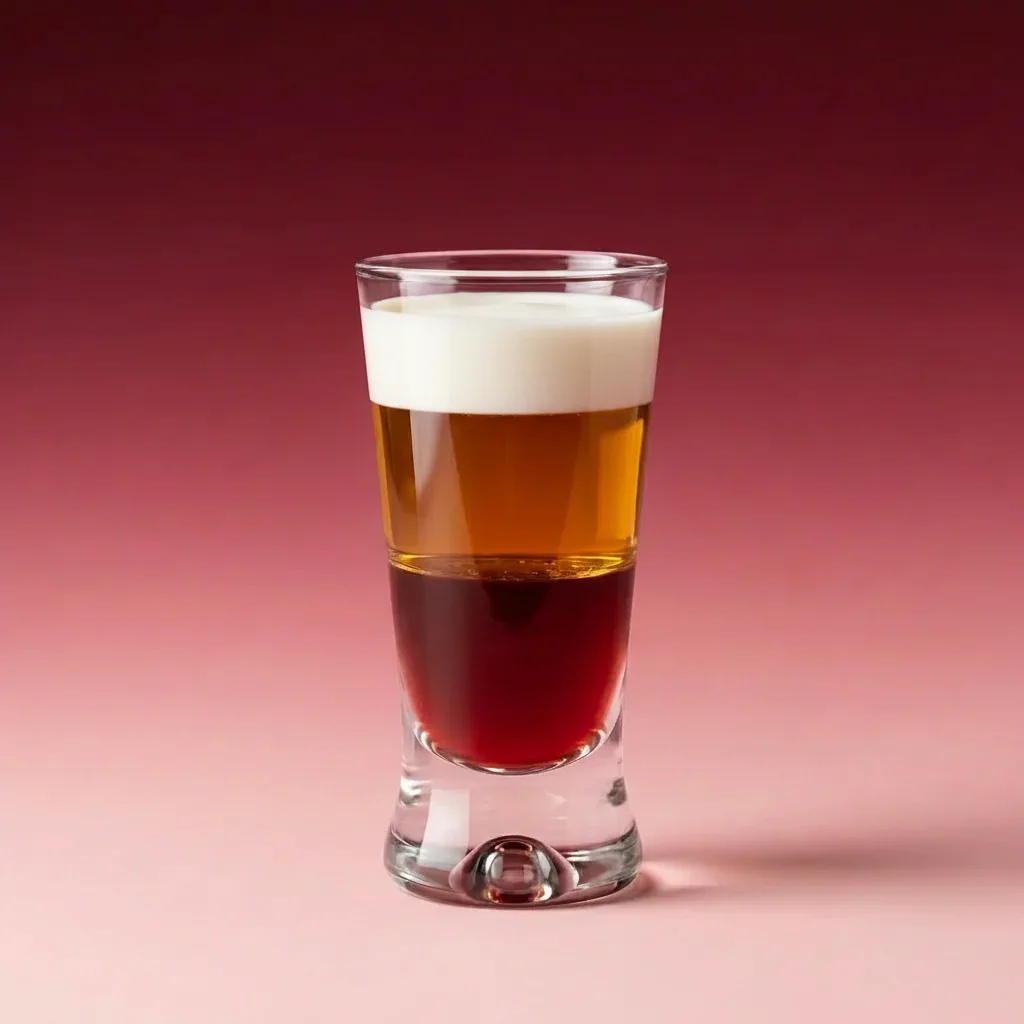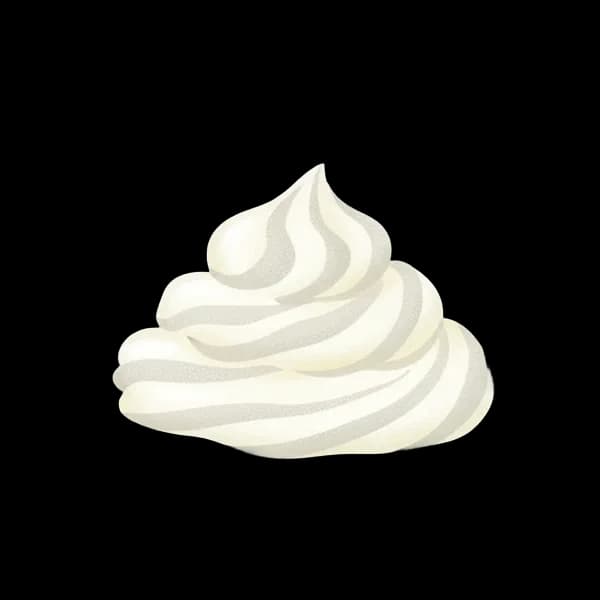
Cocktails with Whipping cream
Whipping cream is a dairy cream of about 30–36% fat, enough to whip into a stable foam.
Substitutes for Whipping cream
Any cream at 30% fat or more whips; below that nothing will hold. Half milk and half cream lightens a drink and gives up the foam. Coconut cream whips and tastes of coconut, which is a choice and not a substitution.
Often confused with
Heavy cream
36% fat and up, so it whips stiffer and holds longer. The names are used interchangeably in shops and they are two different grades.
Single or pouring cream
Under 30% and will not whip at all, whatever you do to it. It enriches a drink and cannot cap one.
Storage
Refrigerated, sealed, used by the date, and kept away from strong smells. Cream at the back of the fridge whips better than cream in the door, because the door is the warmest shelf in the box.