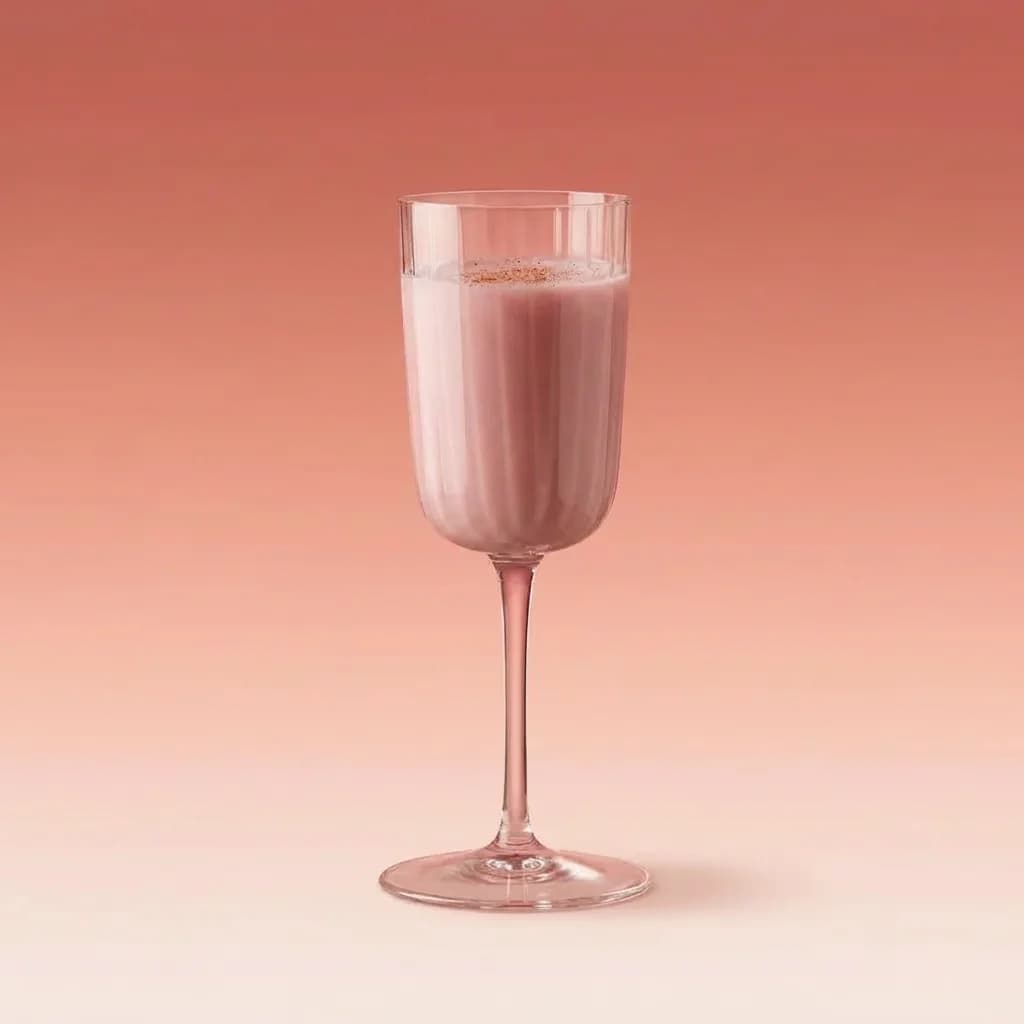
Cocktails with Egg yolk
Egg yolk is the yellow, fat- and protein-rich part of the egg, used in cocktails for a rich, creamy body.
How it's used
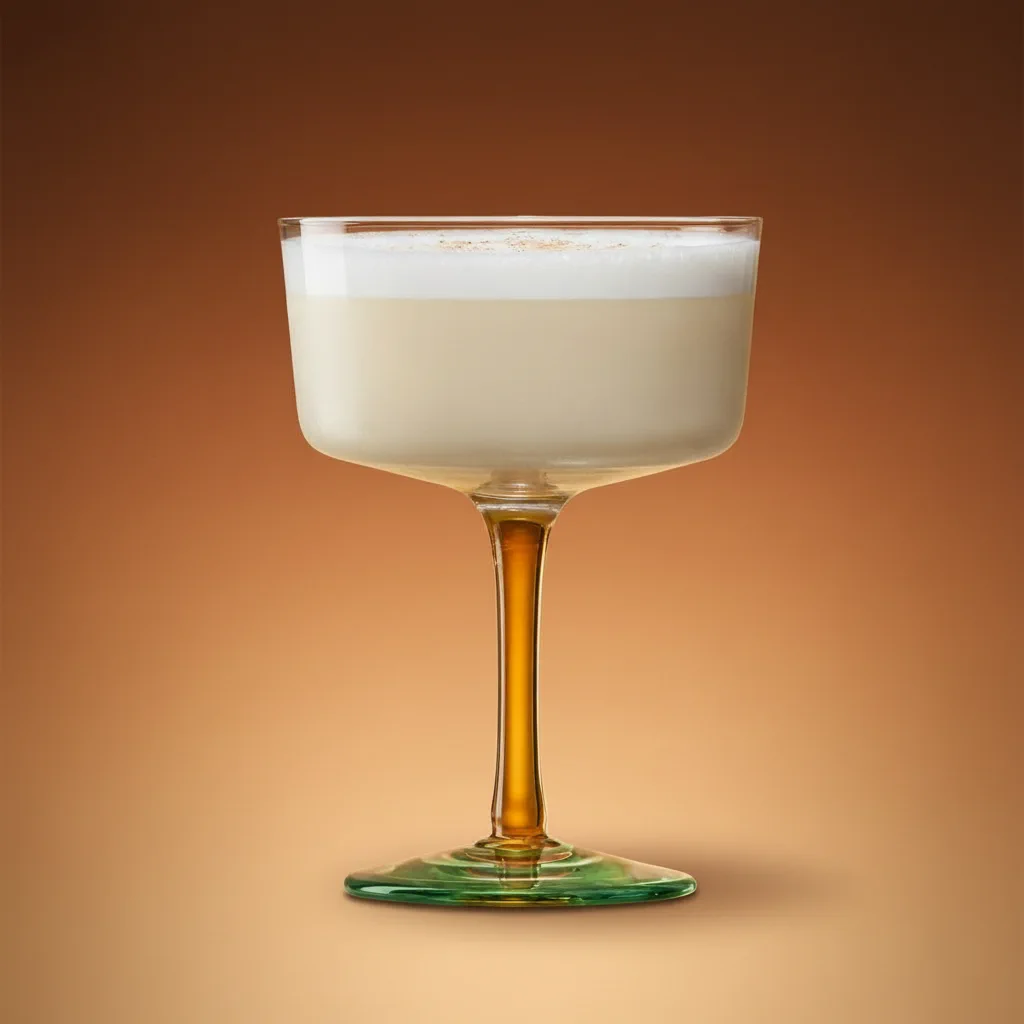
The yolk gives a drink weight and richness, which is what makes a flip thick. Dry-shake it first, without ice: undiluted, the mix stays thick, so the same shake tears it apart harder and the yolk’s lecithin gets to do its work. One large yolk is 15 to 17 ml, so it counts toward the volume of the drink. Aged rum, brandy and sherry are the traditional bases, and nutmeg over the top is what keeps a rich egg drink from reading flat.
Substitutes for Egg yolk
A whole egg works in place of a yolk, as in older port wine flips. The white adds about 30 ml and makes the drink lighter and frothier. Shake it a little longer. Pasteurized eggs work too, in the shell or as liquid yolk; use about 15 ml of liquid yolk per yolk. Without eggs, 15 ml of heavy cream adds about as much fat as a yolk, 5 g against 4.5 g. It brings richness, but not the yolk's silky body.
Egg white
The other half of the egg, protein and water without fat: it makes foam, not richness, so it cannot replace a yolk.
Pasteurized egg products
Eggs heated just enough to kill bacteria without cooking them; the FDA recommends them for drinks with raw egg. Carton yolks are sold mostly in foodservice packs.
Description
The yolk emulsifies through its phospholipids and its low-density lipoproteins together — the lipoproteins carry both protein and phospholipid to the boundary between fat and water and anchor there. That is why a flip holds together and a drink made with cream alone separates. Naming lecithin alone, as most accounts do, credits half the mechanism.