Cocktails with Fennel seeds
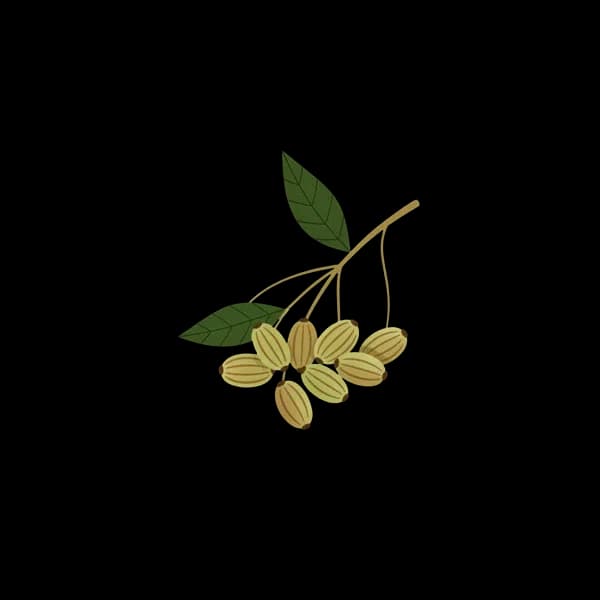
Fennel seeds are the dried fruit of fennel, an aromatic spice with a licorice-anise scent.
Substitutes for Fennel seeds
Anise seed is the closest in flavor, caraway shares the shape and pulls toward rye bread rather than licorice. A dash of an anise spirit gives the aroma with alcohol attached, which is the easiest route in a shaken drink.
Often confused with
Anise seed
Similar in flavor and unrelated as a plant. Anise is sweeter and more concentrated, so a straight swap by volume comes out louder than the recipe expects.
Fennel pollen
Fennel pollen is the same plant at many times the intensity, and priced accordingly; a pinch does what a spoon of seed does, so measure it by taste and not by the recipe line.
Storage
Whole seed keeps its oil for years in a sealed jar; ground fennel is flat within months. Toasting revives an old seed only so far — if it has stopped smelling, it has stopped working.