White Sangria
Warm up ∙ 4 min ∙ 8.9% ABV ∙
This White Sangria warms white wine with vodka, aloe and pineapple juices, vanilla syrup and spices, strained hot over ice into a jug. Warm baking spice from the allspice and cardamom leads, toasted coconut rounds the middle, and pineapple and vanilla sweetness settle into a soft, mulled-wine-like finish over ice.
Ingredients
1
Servings



Garnish
Instructions for 1 serving
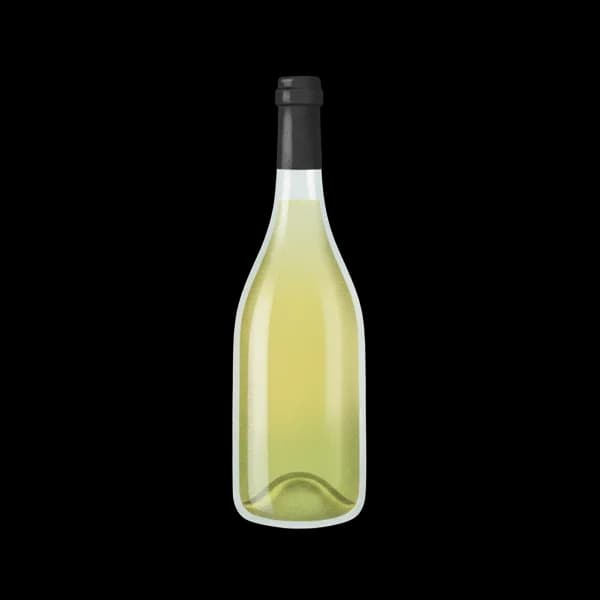
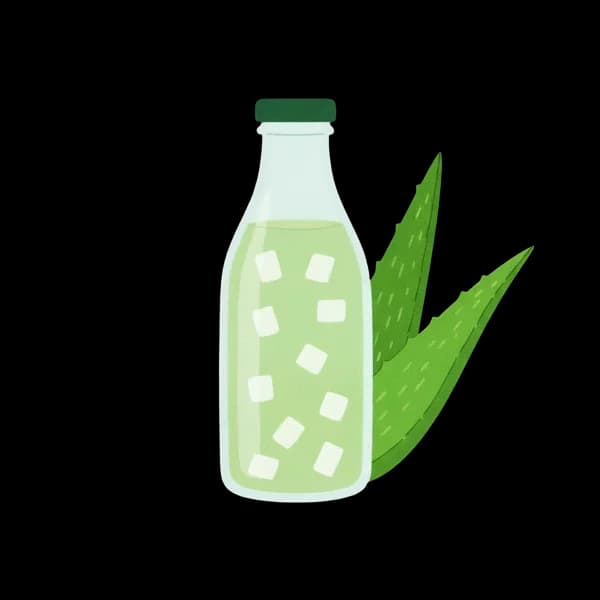
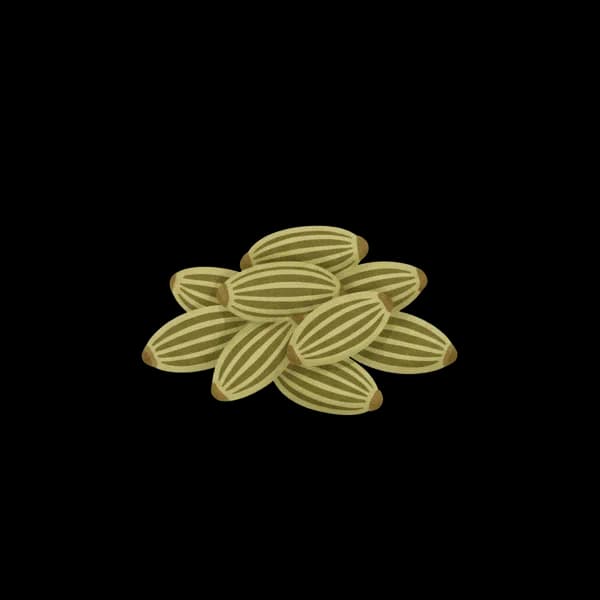
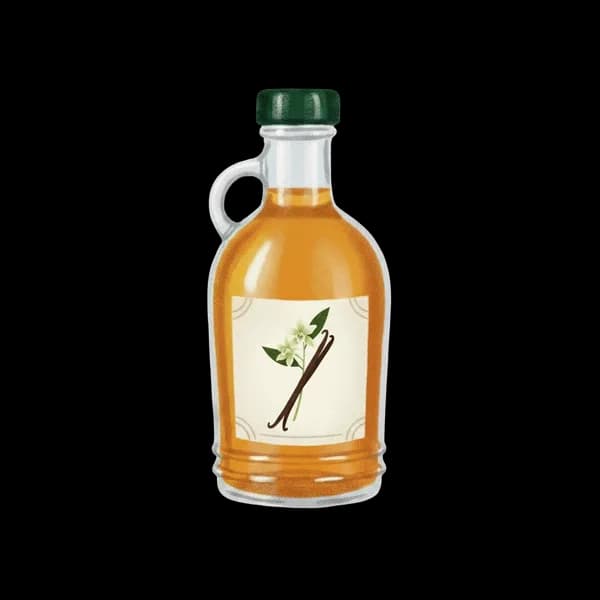
- Pour into a saucepan all ingredients: White wine 750 mlAloe juice 200 mlAllspice 6 pcsGreen cardamom pods 6 pcsCoconut chips 70 gVanilla syrup 150 mlPineapple juice 100 mlFennel seeds 1 bspVodka 100 ml
- Heat to 80° over high heat
- Leave to cool at room temperature
- Pre-chill a jug
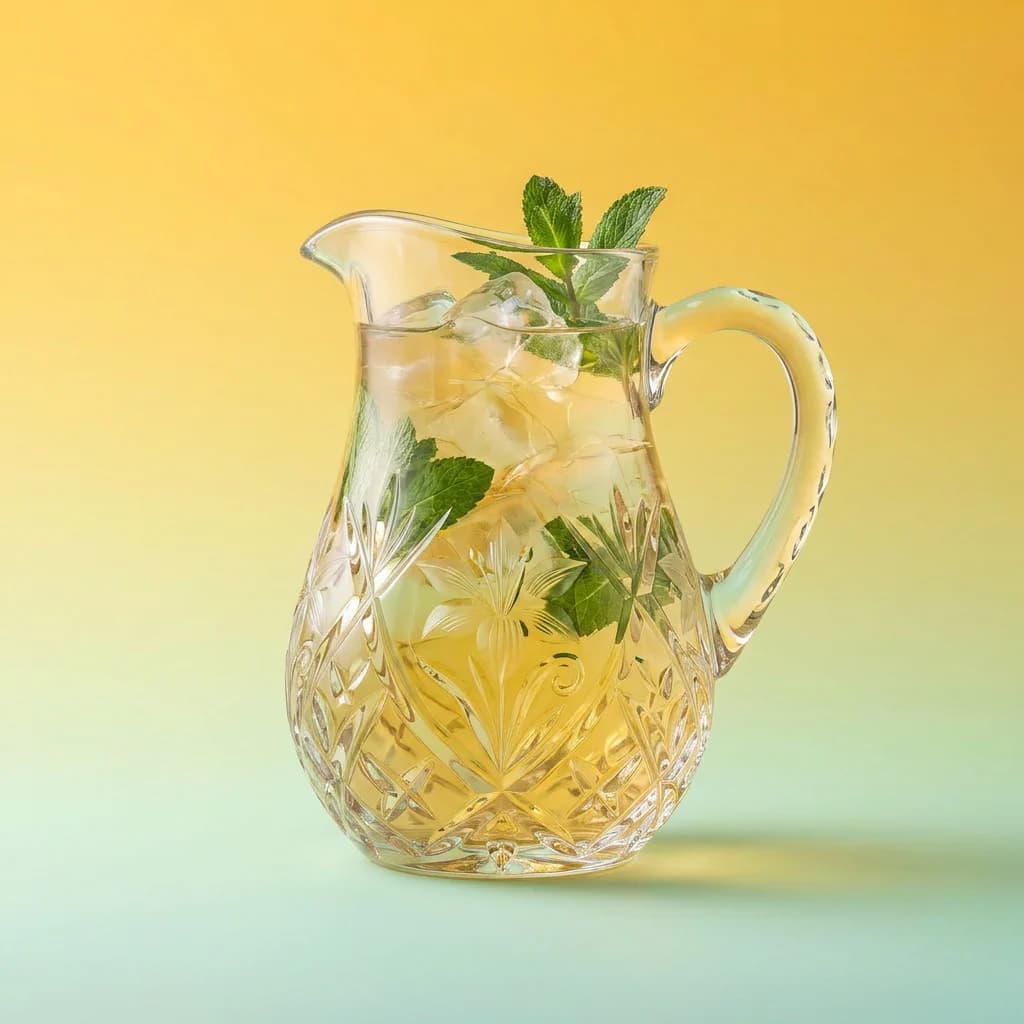
- Fine strain into the ice-filled jug
- Garnish with a mint sprig
Tips
- Heat gently to about 80°C and never let it boil, or the wine turns harsh and the alcohol cooks off too fast.
- Fine-strain out the allspice, cardamom pods, coconut chips, and fennel seeds so the poured drink is clear, not gritty.
History
White Sangria is the white-wine version of Spain's traditional sangria, a wine punch whose name comes from the Spanish sangre, or blood, referring to the red color of the original recipe. Sangria's roots trace to ancient wine punches flavored with spices and fruit, a practice historians link to Roman-era drinking customs in Spain and to the medieval spiced-wine drink hippocras; a defined red-wine version using local fruit and brandy became established in Spain by the 18th and 19th centuries. Alongside the classic red style, Spanish drinkers also made lighter versions with white or sparkling wine, giving rise to white sangria as one of the recognized regional variants, simply swapping in white wine while keeping the fruit-and-sweetener format.
Sangria's association with Spain spread internationally after it was served at the Spanish pavilion of the 1964 World's Fair in New York, which fueled its popularity, including that of the white-wine variant, in the United States.
FAQ
What are the ingredients in this white sangria?
This white sangria is built from white wine, vodka, aloe juice, pineapple juice, vanilla syrup, allspice, green cardamom pods, coconut chips, and fennel seeds. The mix is warmed on the stove, cooled, then fine-strained into an ice-filled jug and garnished with a mint sprig.
How do you make this white sangria?
Combine the white wine, aloe juice, pineapple juice, vanilla syrup, allspice, cardamom pods, coconut chips, fennel seeds, and vodka in a saucepan and heat to about 80°C over high heat. Let it cool to room temperature, then fine-strain into a pre-chilled, ice-filled jug and garnish with a mint sprig.
What alcohol is best for white sangria?
A dry white wine is the base, and this recipe also adds vodka for extra strength, bringing the drink to about 8.9% ABV. The vodka boosts the alcohol content without adding its own flavor, letting the spices and fruit juices lead.
Is Pinot Grigio or Chardonnay better for white sangria?
A crisp, dry white such as Pinot Grigio generally works better than an oaked Chardonnay, since its brighter acidity balances the sweetness of the vanilla syrup and pineapple juice. A heavier, oaky Chardonnay can make the warmed, spiced batch taste flat and overly sweet.
What are some tips for making the best white sangria?
Heat the mixture gently to around 80°C rather than boiling it, which preserves the wine's character and keeps the alcohol from burning off. Let it cool completely before straining over ice, so the final pour stays properly chilled and undiluted.
What are some variations of white sangria?
Sangria variations commonly swap the fruit juices and spices to change the profile, or add different spirits for more strength. This version leans tropical and spiced, pairing pineapple and aloe juice with allspice, cardamom, coconut, and fennel, plus vodka for an extra kick.
What are common sangria mistakes?
The most common mistake is over-boiling the wine, which cooks off the alcohol and turns the flavor harsh instead of warm and spiced. Straining while still hot, skipping the pre-chill on the serving jug, and over-steeping the spices are other frequent errors that dull or muddy the final drink.