Cocktails with Maraschino cherry
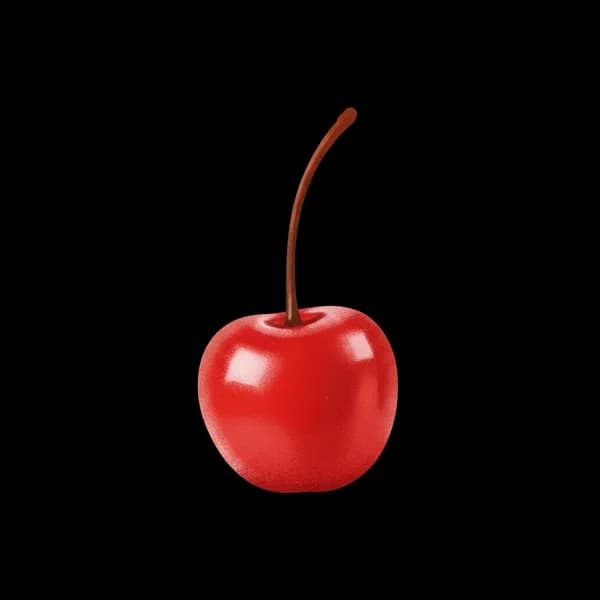
A maraschino cherry is a cherry preserved in sweetened syrup, dropped into a finished drink. It comes in two very different forms: the traditional marasca cherry steeped in maraschino liqueur, and the modern bright-red cherry bleached and dyed for the jar.
Substitutes for Maraschino cherry
Another preserved red fruit sits in the glass the same way and reads the same color, and a spoon of syrup covers the sweetness. The cherry-and-almond depth comes only from fruit steeped in marasca syrup, and a dyed one does not reproduce it.
Often confused with
Liqueur-preserved (Luxardo-style) cocktail cherry
A sour marasca in dark syrup — real cherry-and-almond flavor instead of candy. In a Manhattan it reads dry and faintly bitter rather than sweet: pull the syrup back by about a barspoon.
Maraschino (the liqueur)
Maraschino is a distilled liqueur made from marasca cherries. A maraschino cherry is the fruit: once aged in that liqueur, now more often a dyed product in sugar syrup. Pour the liqueur where the recipe wants the fruit and the drink gains strength and loses its garnish.
Storage
Sugar is what preserves these: a good cocktail cherry carries no alcohol at all, roughly half the jar is syrup, and an unopened jar keeps for about three years. After opening, the producer’s own advice is simply to keep it closed in a cool, dry place. What matters is that the fruit stays fully under the syrup — mold takes hold on exactly the cherries left standing proud of it.