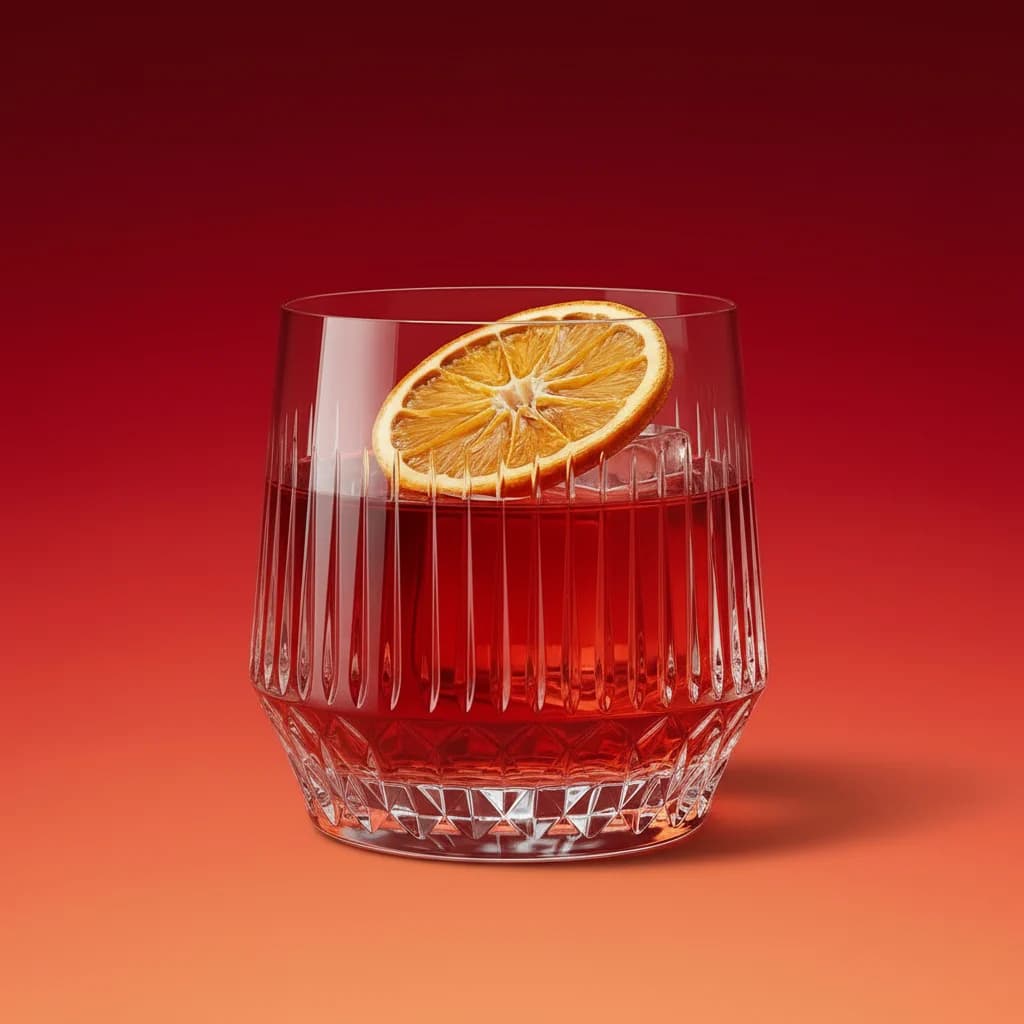
Pink gin names two distinct things: a traditional cocktail of gin with a dash of aromatic bitters, and a modern bottled gin flavoured and coloured with red fruits.
Fruit-forward and sweetened in the bottled form, with a juniper backbone beneath red-berry notes; the classic cocktail is drier, carrying warm baking-spice bitterness from the Angostura.
A dash of aromatic bitters over gin makes the classic preparation, a stirred or built mixed drink rather than a base ingredient. The bottled fruit-flavoured version acts as a flavoured base spirit, but its sweetness, colour and reduced strength shift the balance of any build designed around a dry, roughly 37.5–40% juniper gin.
Neither sense swaps cleanly for the other. For the bottled product, a red-fruit gin infusion is needed to preserve both the fruit aroma and pink colour, with sugar added to match sweetness; plain juniper gin cannot reproduce the fruit character. For the classic drink, gin with aromatic bitters must be preserved, since the bitters supply both colour and spice.
Classic pink gin cocktail (gin + Angostura bitters)
The cocktail gets its pink from Angostura bitters added at service and is a mixed drink; the bottled product gets its pink and its flavour from red fruit added during production and is a standalone flavoured spirit.
Dry gin derives its main character from juniper and is typically unsweetened at ≥37.5% (EU) / 40% (US); pink gin is fruit-flavoured, coloured, often sweetened and frequently bottled below those thresholds.
In its classic sense the drink is prepared by combining gin with a dash of Angostura aromatic bitters, often topped with water, the pink colour coming entirely from the bitters. The modern bottled sense is produced by infusing or flavouring a gin or gin-based spirit with red fruits such as strawberry, raspberry or redcurrant, which lend both the pink hue and a fruit-forward, frequently sweetened character; such products are often bottled below the legal minimum strength for gin.
Pink gin as a drink is widely attributed to the British Royal Navy, where Plymouth gin was combined with Angostura bitters used medicinally against seasickness, and it became fashionable in England from the mid-19th century.