Cocktails with Salt
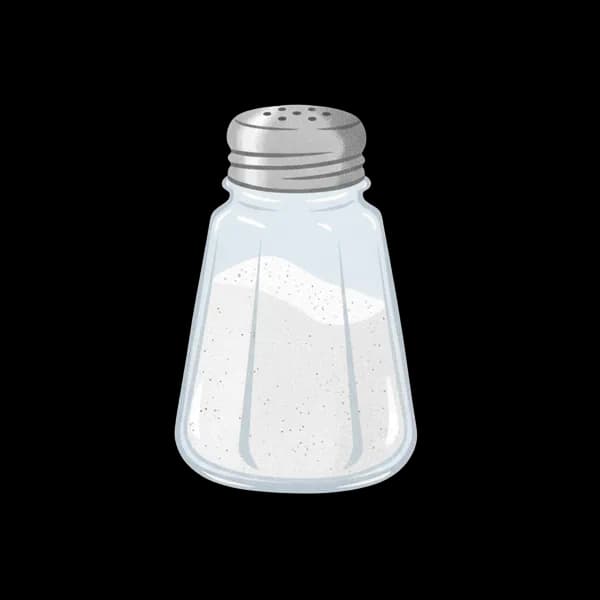
Salt is a mineral seasoning that adds saltiness and heightens other flavors.
Substitutes for Salt
Salt is the ingredient; the form decides whether you can dose it and where it lands. Fine grains dissolve slowly in a cold drink, which is why a solution exists, and coarse flakes belong on the rim where slow dissolving is the point.
Often confused with
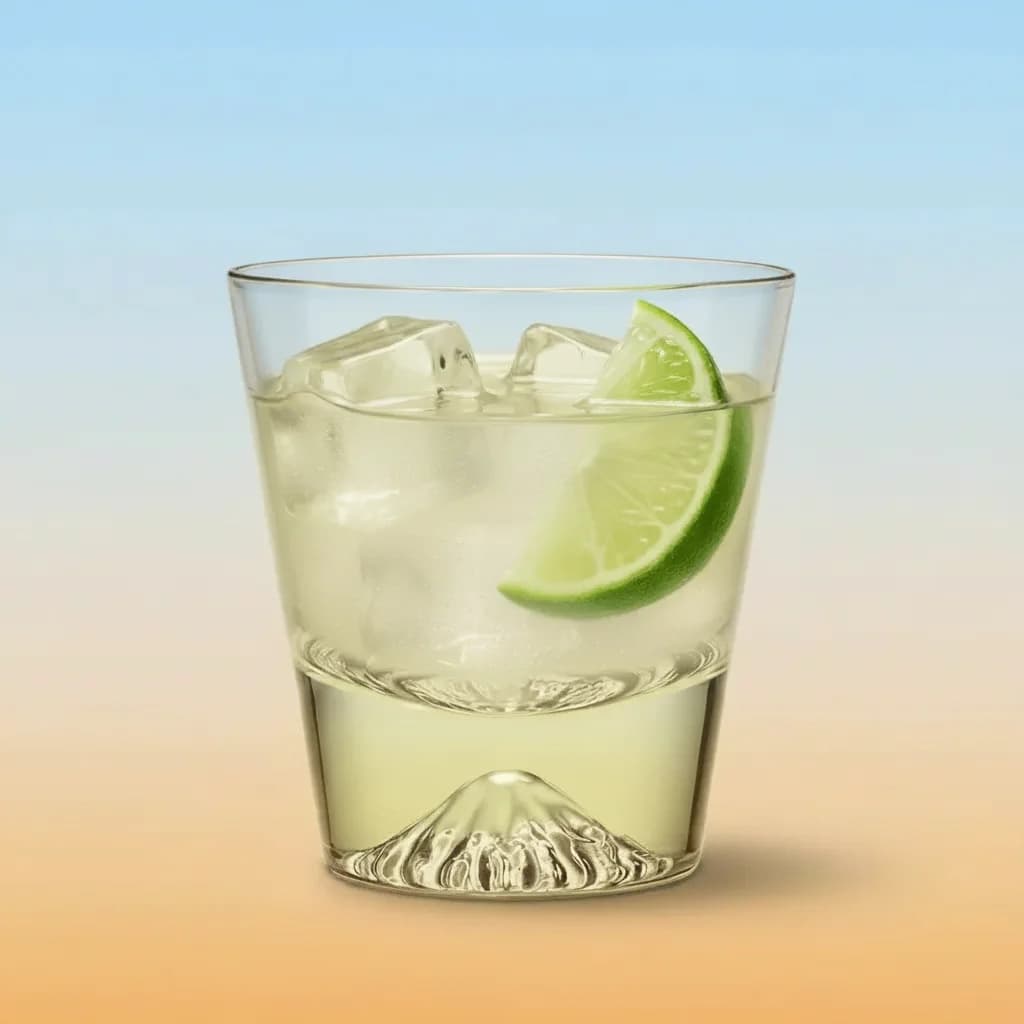
Saline solution
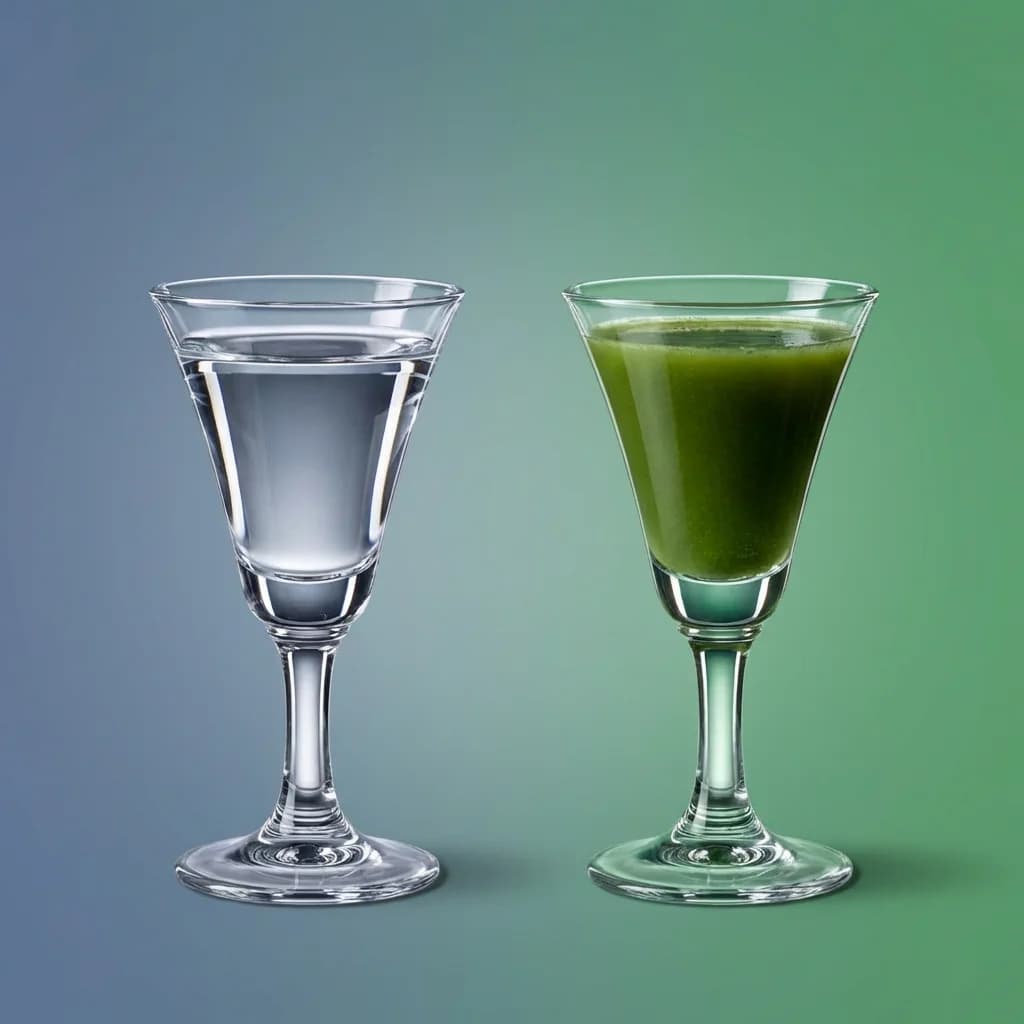
Salt already dissolved, dosed by the drop, and it is the accurate way to season a cold drink; dry salt in the same role is guesswork.
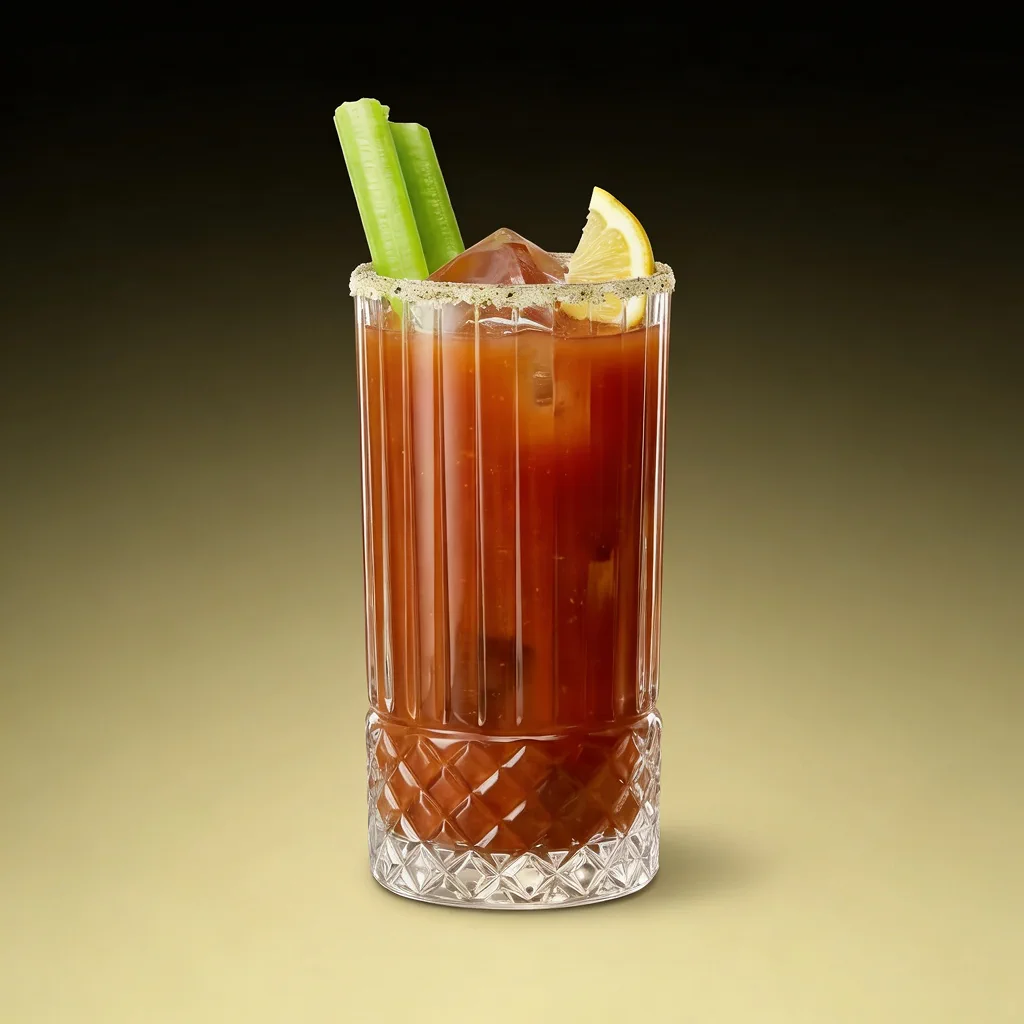
Flaky and rimming salt
Coarse and slow to dissolve, which makes it right for a rim and wrong stirred into the glass.
Storage
Salt does not spoil. Fine salt cakes in damp air and iodized salt carries a faint metallic note some people catch in a clear drink — keep a plain sea salt for the bar.