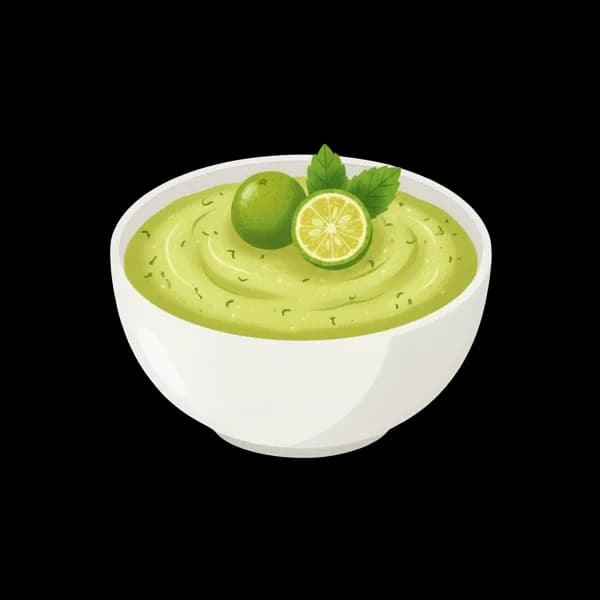
Cocktails with Calamansi purée
Calamansi purée is a citrus product of pulped calamansi, a very acidic mandarin-kumquat hybrid, for souring and flavor.
Substitutes for Calamansi purée
Lime with a splash of mandarin juice is the practical rebuild, roughly three parts to one. Lime alone gives the sourness and none of the aroma, which for a drink that named calamansi is half the point.
Often confused with
Calamansi juice
The strained version without the pulp: thinner, brighter, and less able to carry body in a sour. Purée and juice are sold under both names, so the label is not reliable.
Lime juice
A different citrus with a straighter, sharper acid, and it substitutes for the sourness and not for the mandarin note above it.
Storage
Fresh keeps a couple of days refrigerated and freezes cleanly, which is how most bars hold it. Frozen in an ice tray it goes straight into a shaker by the cube.