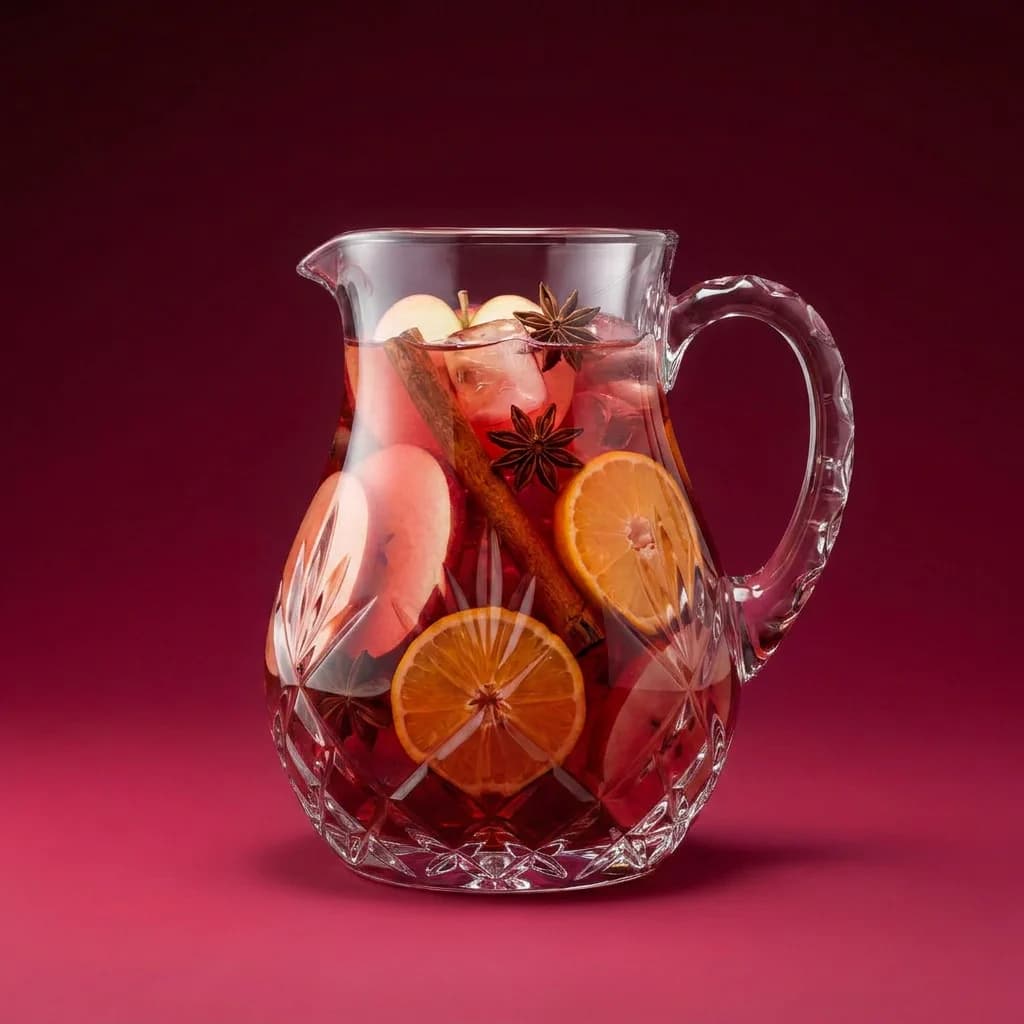
Cocktails with Cinnamon stick
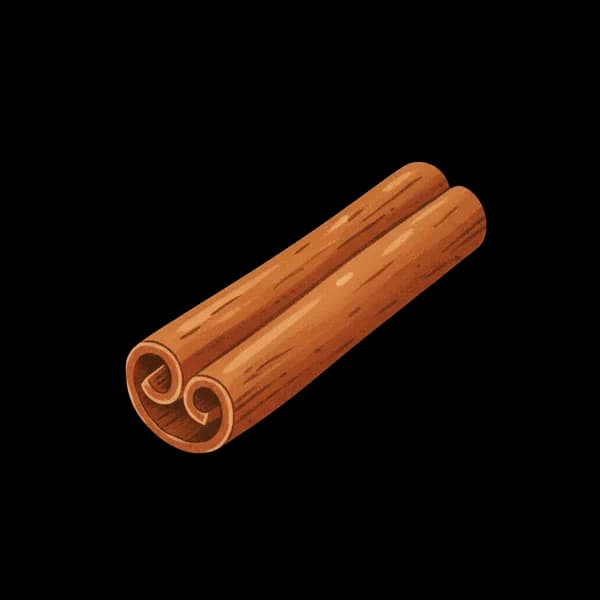
Cinnamon stick is the dried inner bark of the cinnamon tree, rolled into a quill and used whole as an aromatic spice.
Substitutes for Cinnamon stick
A pinch of ground cinnamon delivers faster and stronger and leaves the drink hazy. Cinnamon syrup gives the flavor and dissolves cleanly, which suits a shaken drink where a stick would do nothing in the time available.
Often confused with
Cassia bark
Thicker, harder, more pungent, and much higher in coumarin than Ceylon cinnamon. Most sticks sold as "cinnamon" are cassia; a recipe written for the delicate Ceylon kind will come out louder than intended.
Ceylon cinnamon
Thin, brittle, layered like a cigar and it breaks in the fingers. More fragrant and less hot, and it gives up its flavor to a syrup faster because the bark is thinner — so it needs less time on the stove.
Storage
Sealed and dark, sticks keep for years, far longer than the ground spice, because the aromatic oil stays inside the rolled bark. A stick that no longer smells when you snap it is finished.