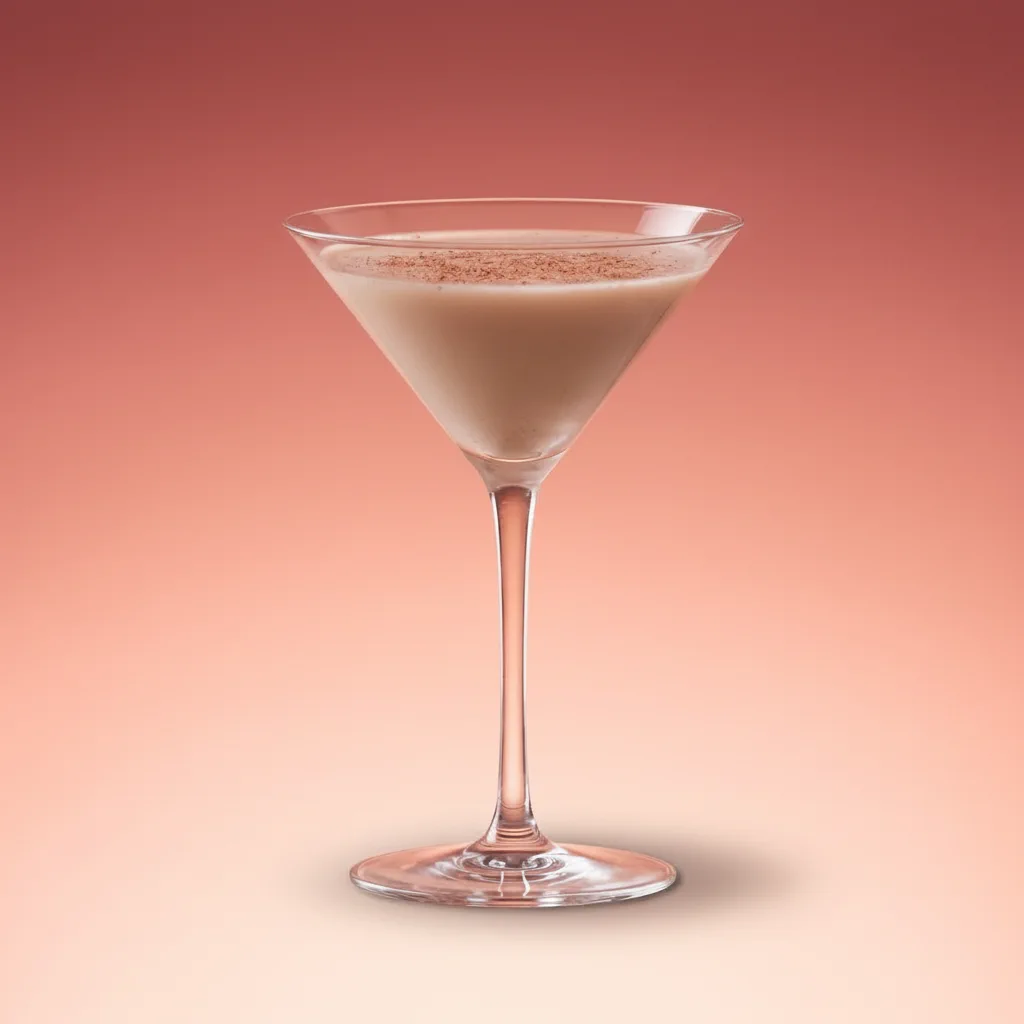
Cocktails with Cinnamon powder
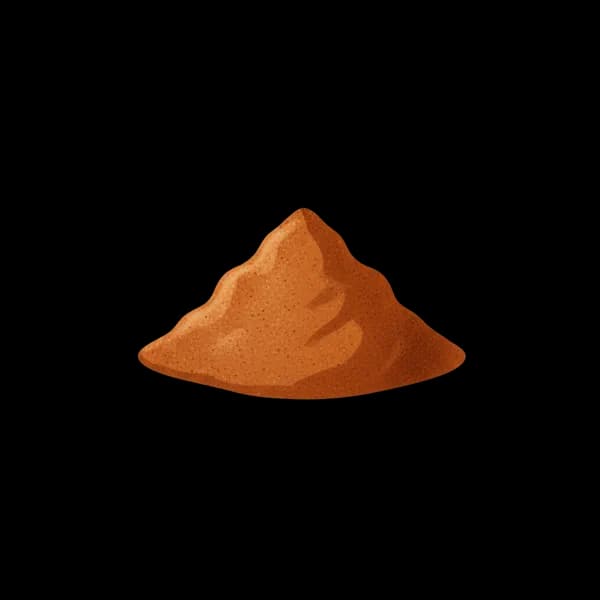
Cinnamon powder is a warm spice of dried inner cinnamon bark, ground to a fine powder.
Substitutes for Cinnamon powder
A cinnamon stick is the cleaner, quieter version and takes time the shaker does not have, so it belongs to prep rather than to service. Nutmeg or a warm-spice blend covers the role of a dusting without pretending to be cinnamon.
Often confused with
Cassia
Nearly all supermarket cinnamon turns out to be cassia: stronger, harsher, cheaper and far higher in coumarin than the Ceylon kind. Labels rarely say which — and cassia will overpower a delicate drink at the same measure.
Ceylon cinnamon powder
Milder, sweeter and more delicate, so a recipe written for it will taste harsh made with cassia, and one written for cassia will taste thin made with this.
Storage
Sealed and dark it lasts months and fades the whole time, faster than any stick, because grinding opened every cell that held the oil. Judge it by smell, not by the date.