Red Sangria
A fruity and spicy wine & sparkling cocktail ∙ Warm up ∙ 4 min ∙ 10% ABV ∙
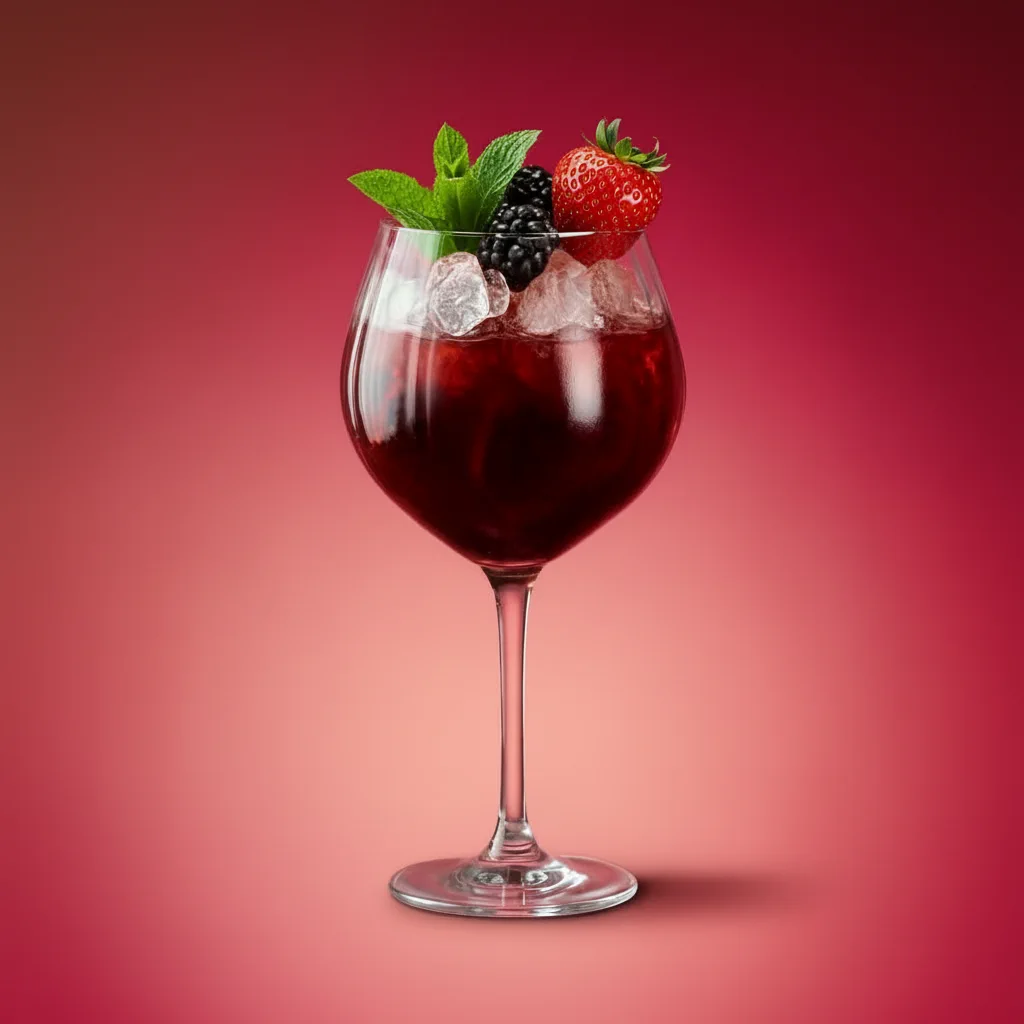
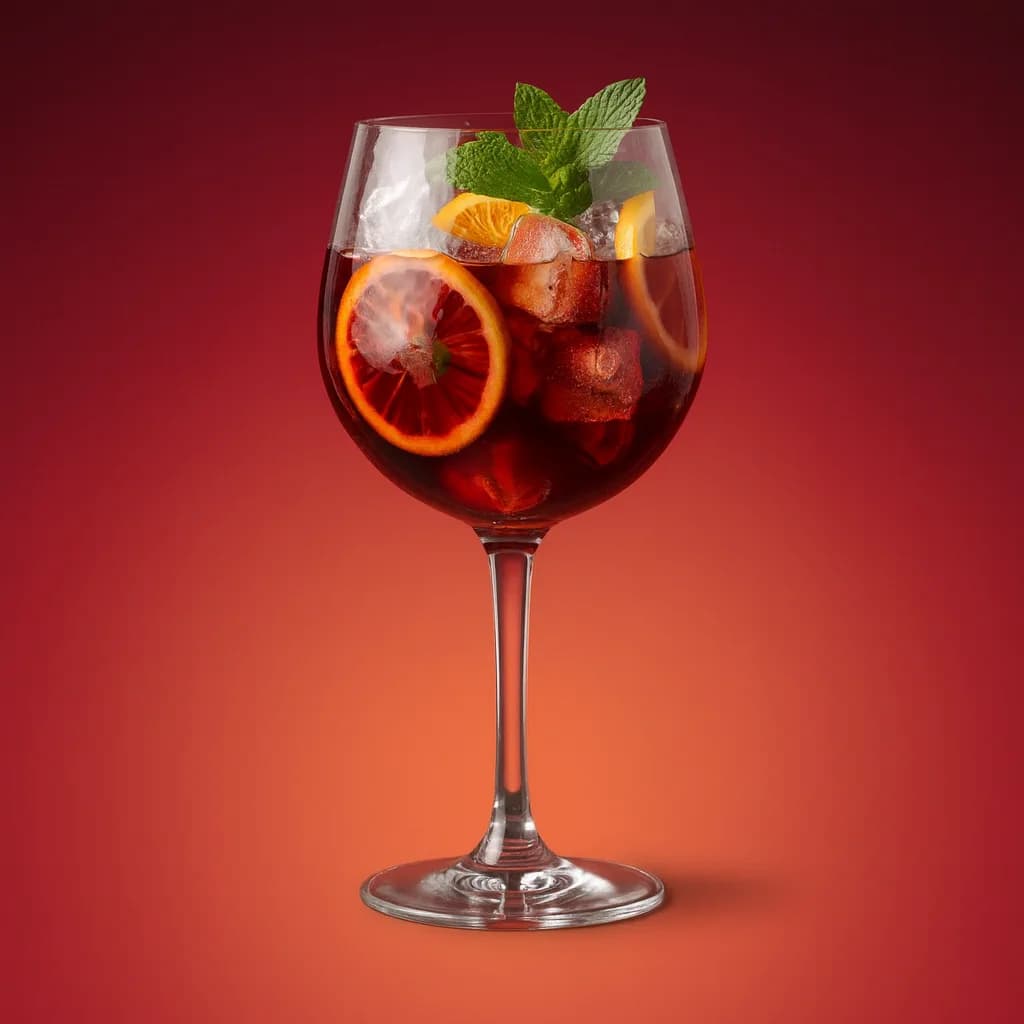
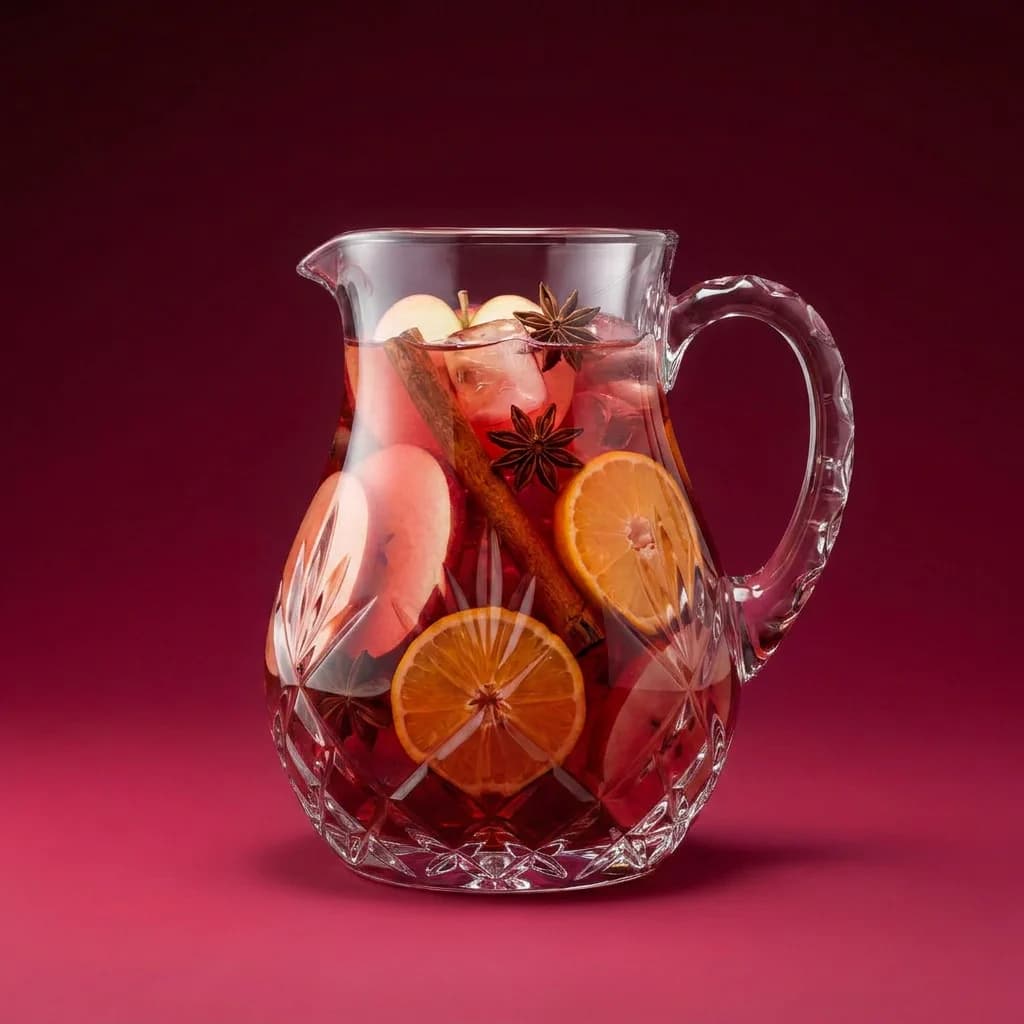
This mulled red sangria simmers red wine with aloe juice, apple, tangerine, spices, honey and cinnamon syrups and spiced rum, strained over ice. Warm spice from cinnamon, clove, and star anise leads, with soft honeyed sweetness and a fruity wine base rounding into a mellow, gently boozy finish.
Ingredients
1
Servings
Garnish
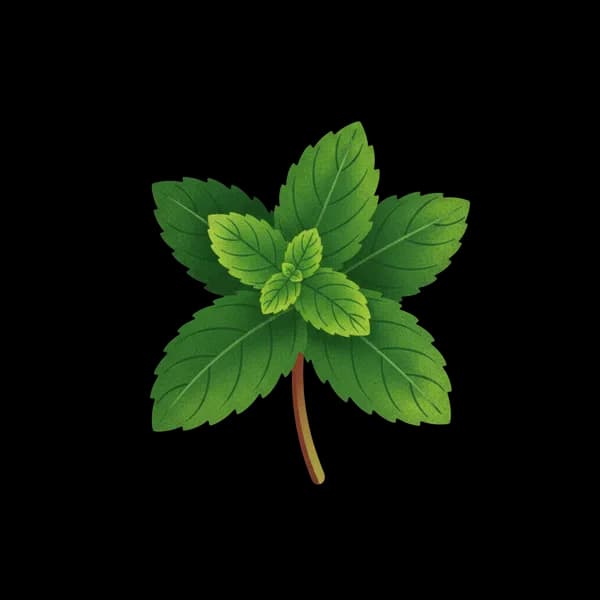
Instructions for 1 serving
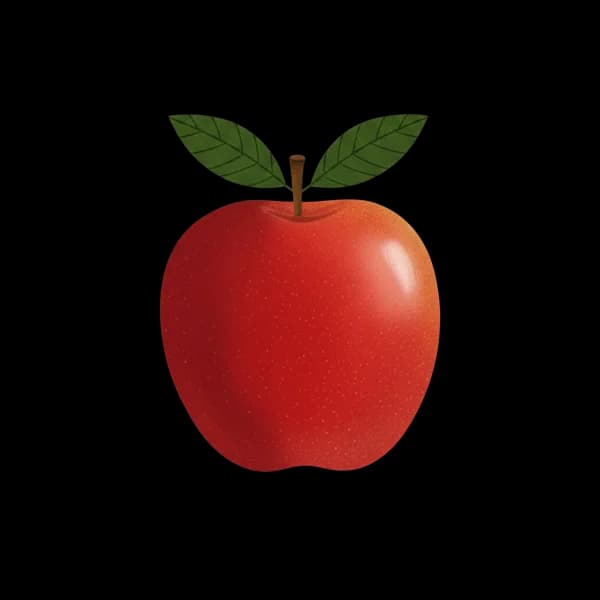
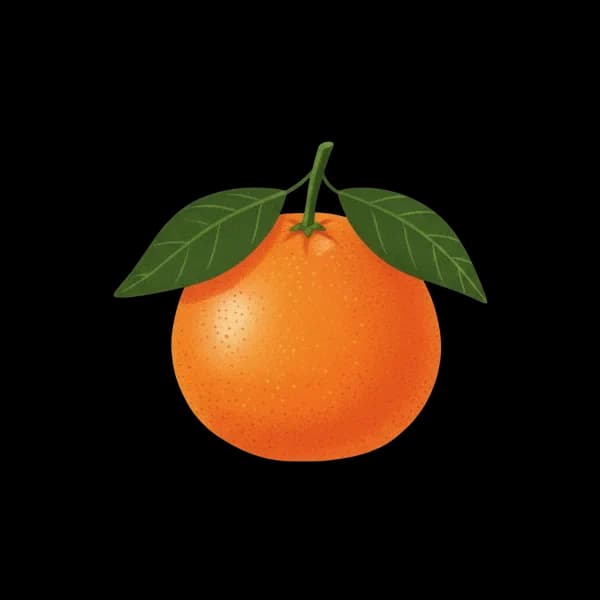
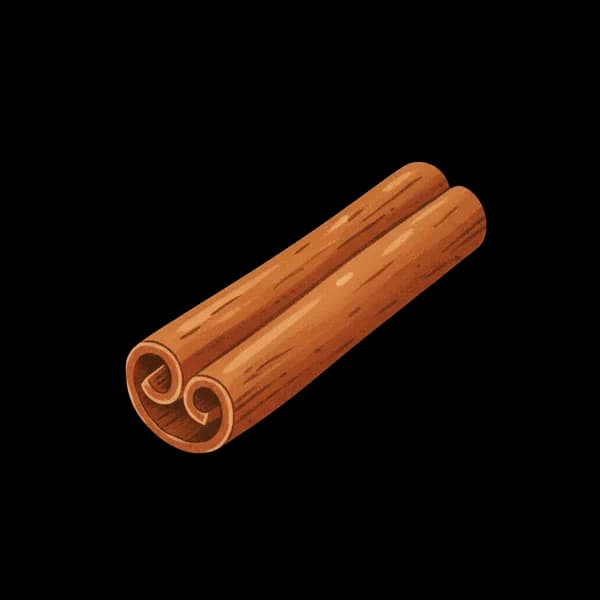
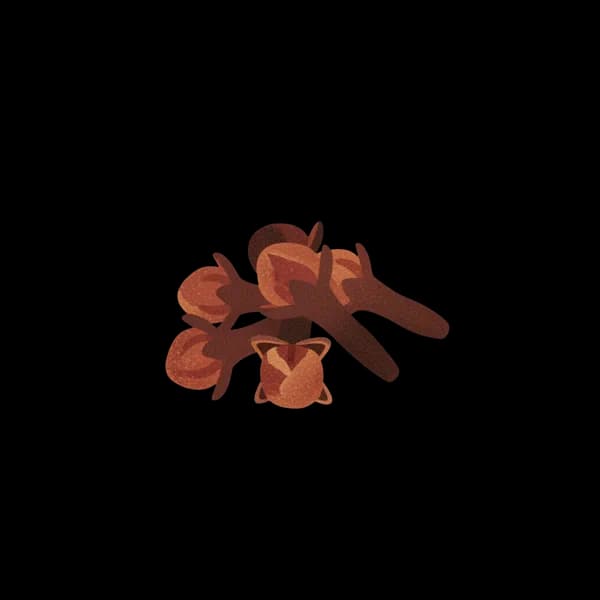
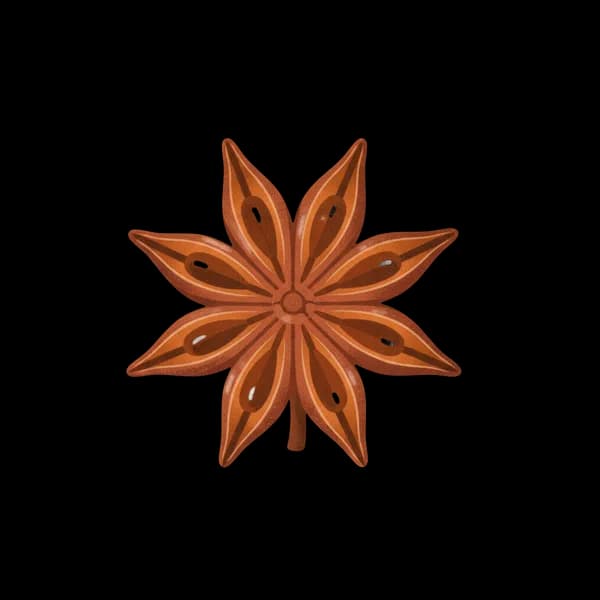
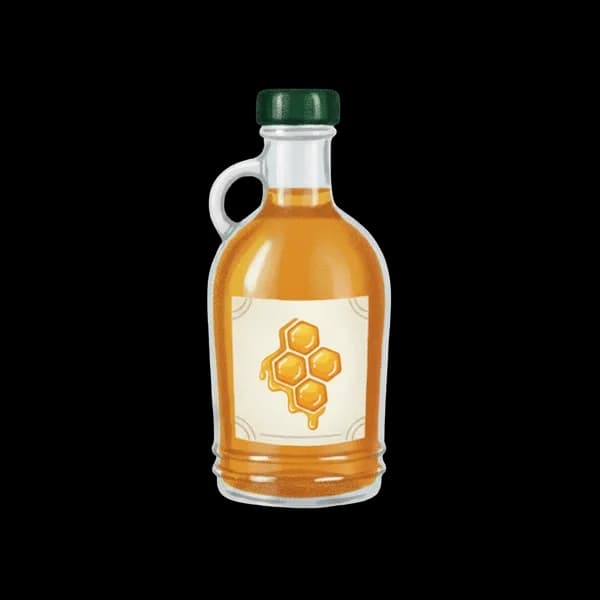
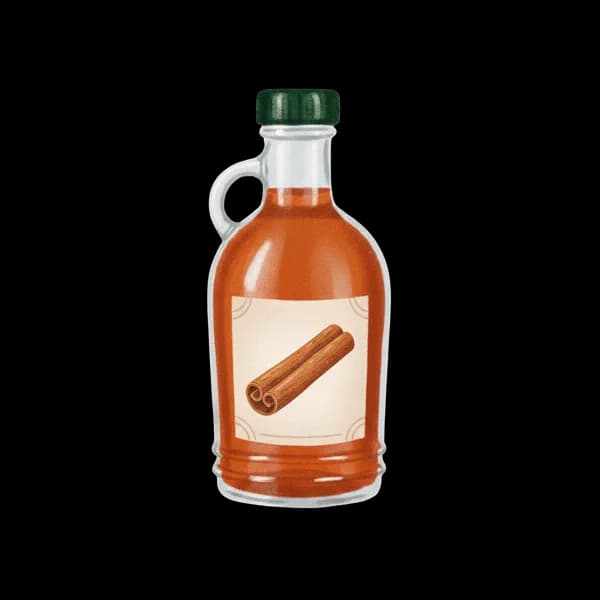
- Pour into a saucepan all ingredients: Red wine 750 mlAloe juice 250 mlFresh apple 1 pcFresh tangerine 3 pcsCinnamon stick 2 pcsCloves 6 pcsStar anise 3 pcsHoney syrup 75 mlAllspice 4 pcsCinnamon syrup 50 mlSpiced rum 100 ml
- Heat to 80° over high heat
- Leave to cool at room temperature
- Pre-chill a jug
- Fine strain into the ice-filled jug
- Garnish with a mint sprig
Tips
- Heat only to about 80°C and never let it boil, or the wine's alcohol and aroma cook off.
History
Sangria descends from hippocras, a spiced, sweetened wine drunk in ancient Rome and through the Middle Ages as a way to make often rough or unsafe wine more palatable. The name comes from the Spanish and Portuguese word for blood, sangre, a reference to the deep red color of the red-wine punch, and Wikipedia traces the term itself to 18th-century Spain, with some accounts linking an early precursor to a wine "lemonade" from the medieval Kingdom of León. From Spain and Portugal the drink spread through their colonies in the Americas, where a related English-Caribbean version called sangaree, built on Madeira or port with sugar, citrus, and sometimes rum, developed under British colonization and became popular in places like Barbados.
Sangria entered wide American awareness at the 1964 New York World's Fair, where the Spanish Pavilion served it to visitors, a moment widely credited with popularizing the drink in the United States. It has since become closely associated with Spanish identity abroad, even though within Spain itself it is consumed less by locals than by tourists, and countless regional and modern variations, including white and sparkling versions, have grown from the original red-wine base.
FAQ
What ingredients are in red sangria?
This red sangria is built from red wine, aloe juice, fresh apple and tangerine, cinnamon stick, cloves, star anise, and allspice, sweetened with honey syrup and cinnamon syrup, and fortified with spiced rum. It's warmed on the stove, cooled, then fine-strained into an ice-filled jug and garnished with a mint sprig.
How do you make a red sangria drink?
Combine the red wine, aloe juice, fresh fruit, spices, honey syrup, cinnamon syrup, and spiced rum in a saucepan and heat to about 80°C. Let the mixture cool to room temperature, then fine-strain it into a pre-chilled jug filled with ice and finish with a mint sprig.
What is the best red wine to use in sangria?
A medium-bodied, fruit-forward red such as a Rioja, Garnacha, or Merlot works well, since its fruit character holds up against the spices and sweeteners. Avoid heavily oaked or tannic reds, which can turn bitter once warmed with the honey and cinnamon syrups this recipe uses.
What is the best alcohol for red sangria?
Red wine is the best base, with a splash of spiced rum added to deepen the warmth from the mulled spices.
Does sangria get you drunk fast?
This red sangria comes in at about 10% ABV, similar to a glass of wine, so it will not get you drunk faster than table wine. The aloe juice, fruit, and syrups dilute the alcohol further, making it a relatively mellow, slow-sipping drink.
What is the secret to a good sangria?
Balance is the secret: enough sweetness from the honey and cinnamon syrups to soften the wine's tannins, but not so much that it masks the fruit and spice. Straining out the solids after cooling also keeps the sangria clear and prevents the spices from turning bitter with extended contact.
What are common mistakes when making sangria?
The most common mistake is letting the wine boil, which burns off the alcohol and aroma; keep the heat around 80°C. Others include straining while still hot, which shocks the ice and dilutes the drink, and leaving fruit or spices in too long, which can turn the sangria bitter.