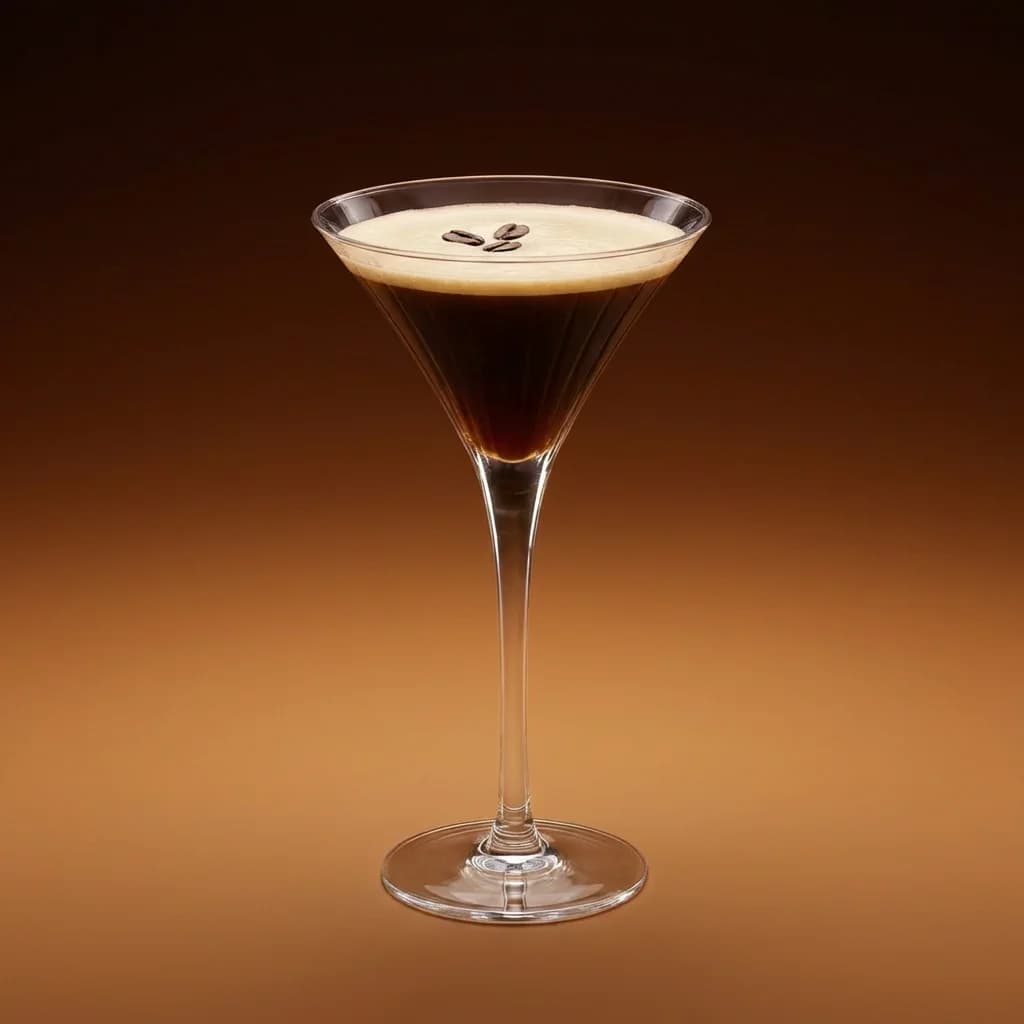
Cocktails with Cold brew coffee
Cold brew coffee is coffee steeped in cool or room-temperature water for many hours rather than brewed hot.
Substitutes for Cold brew coffee
Cooled espresso is the usual stand-in and reads sharper and more acidic, which some drinks want. Strong black coffee, chilled, does the same at lower strength. Instant in cold water is the emergency answer and tastes like one.
Often confused with
Iced coffee
Brewed hot and then chilled, which keeps the bright acidity that cold brewing avoids, and pouring it into a recipe written for cold brew makes the drink sourer, not weaker.
Cold brew concentrate
The same product undiluted, often four to eight times the strength. Dilute it to taste before measuring or the drink comes out bitter and dark. Recipes rarely say which they mean, so taste before you scale a batch.
Storage
Refrigerated and sealed it holds about a week, and concentrate holds longer than the diluted version. Aroma is what it loses first, so a week-old batch still tastes of coffee and has stopped smelling of it.