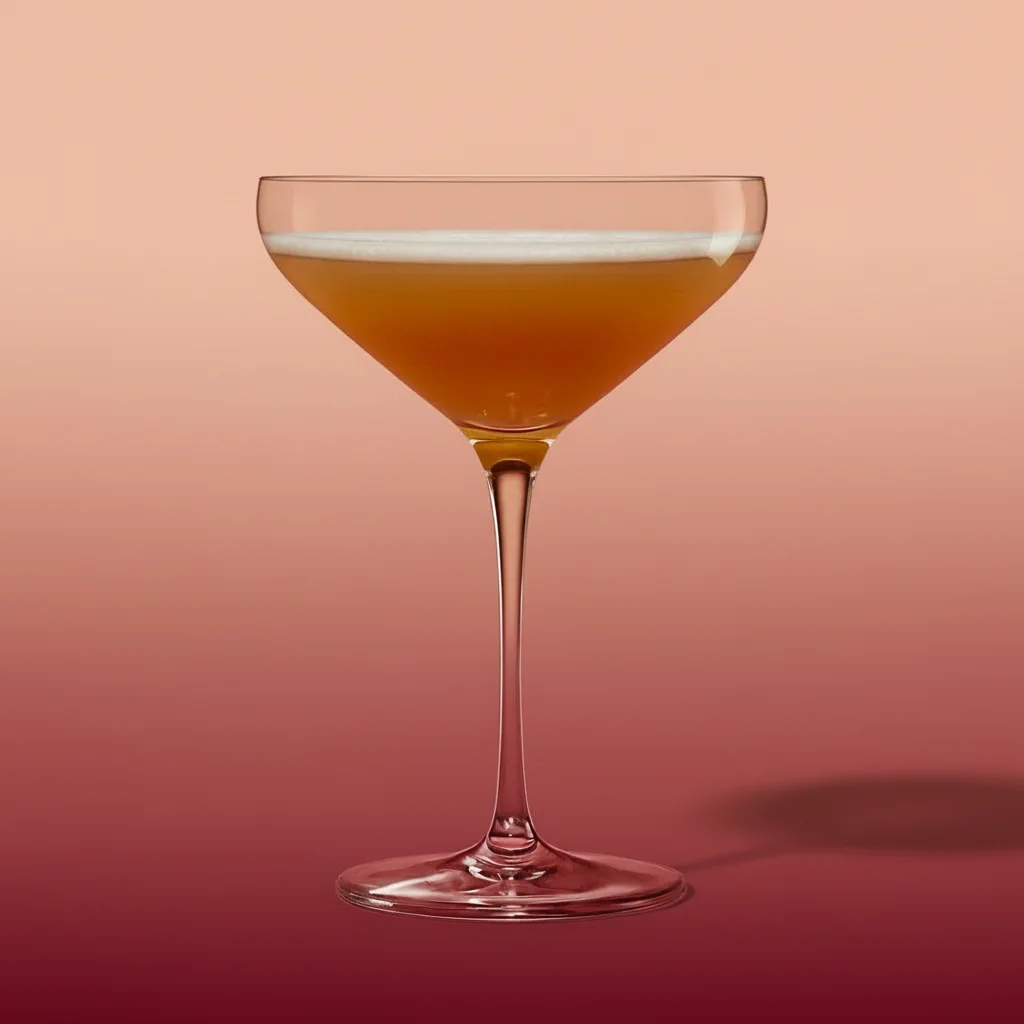
Cocktails with Japanese blended whisky
Japanese blended whisky is a whisky from Japan, blending malt and grain whiskies.
ABV40%
Substitutes for Japanese blended whisky
An Irish blend such as Jameson, or a light blended Scotch, goes in at the same measure and stays just as quiet, with a little more grain sweetness. Built to be soft and rounded, so any gentle blend does the same job. Going up in weight is the risk: a malt-forward bottle takes over a drink that was made to stay quiet, and it costs more for the privilege.
Often confused with
Japanese single malt
Single malt is made at one distillery from malted barley alone; a blend joins malt whisky with lighter grain whisky. The blend is softer and cheaper and disappears behind a strong mixer, which is exactly why highballs call for it.
Description
Most Japanese houses distil both the malt and the grain themselves rather than trading casks — the blend is assembled inside one company.