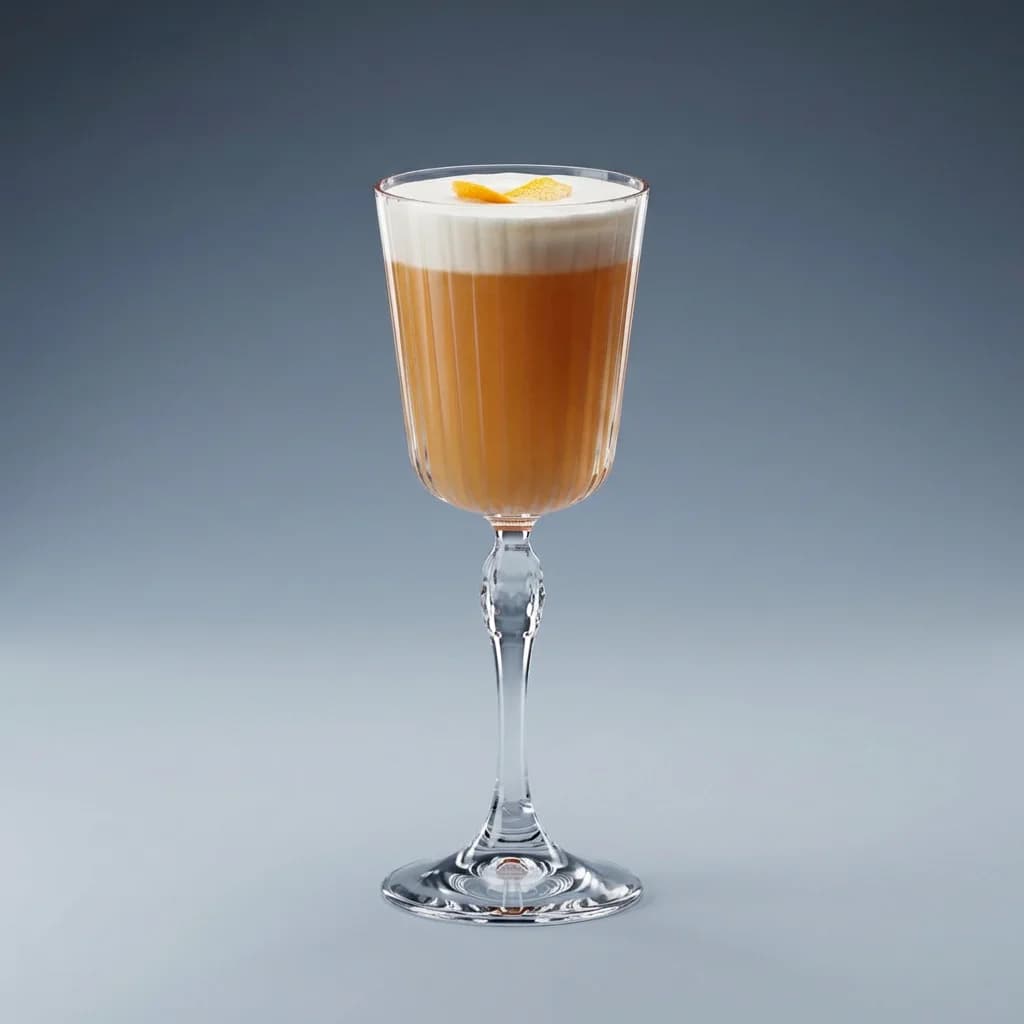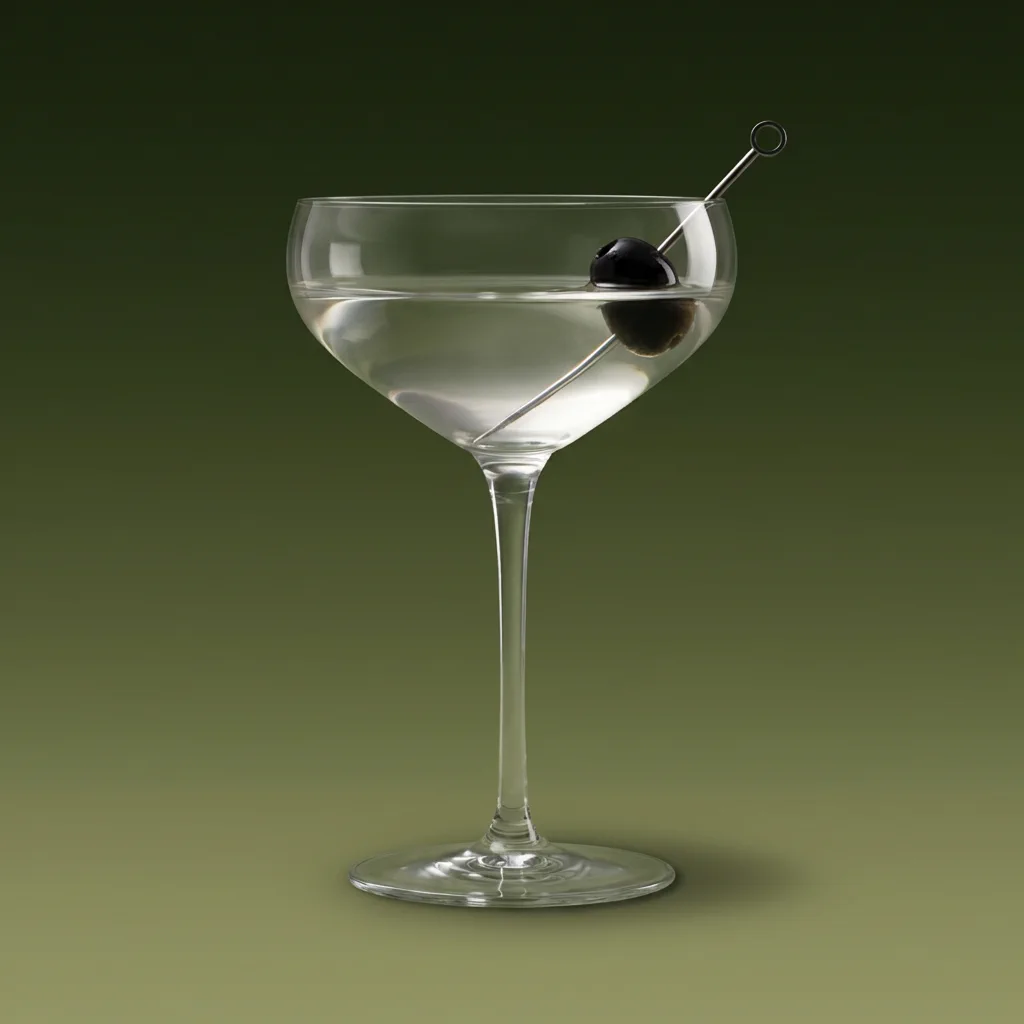
Cocktails with Lemon peel
Lemon peel is the outer colored layer of the rind — the flavedo — where the essential oils sit. It carries neither the acidity of the juice nor the bitterness of the white pith, and it goes into a drink for that oil alone, expressed over the surface or dropped in.
How it's used
Cut a wide strip with a peeler, hold it skin down over the glass and squeeze: the oil sprays over the surface and gives the drink its first impression. Lemon oil is brighter and less resinous than orange, and that is why a Martini takes lemon and an Old Fashioned takes orange. It adds no acidity at all, so a twist is aroma and nothing else.
Substitutes for Lemon peel
Another citrus peel works, expressed the same way: orange is rounder and sweeter, lime sharper, grapefruit more bitter. Whatever the fruit, cut only the colored zest, not the white pith. Without fresh citrus, a dash of lemon bitters puts lemon aroma into the drink rather than over it.
Grated lemon zest
The same oils in fine shreds; a few passes on a fine grater per drink is enough. They flavor the liquid instead of misting the surface, so fine-strain the drink if the zest goes into the shaker.
A strip with the pith attached
White pith tastes of little on its own, but pressed or muddled with juice it turns bitter, and a thick strip will not twist neatly.
Storage
Cut to order — the oils are gone within the hour and a dry strip will not curl. Whole lemons keep two or three weeks refrigerated. If the peel is the point, buy unwaxed: wax leaves a dull taste on the lip of the glass.