Japanese Cocktail
A sweet and balanced brandy cocktail ∙ Stir ∙ 3 min ∙ 29.2% ABV ∙
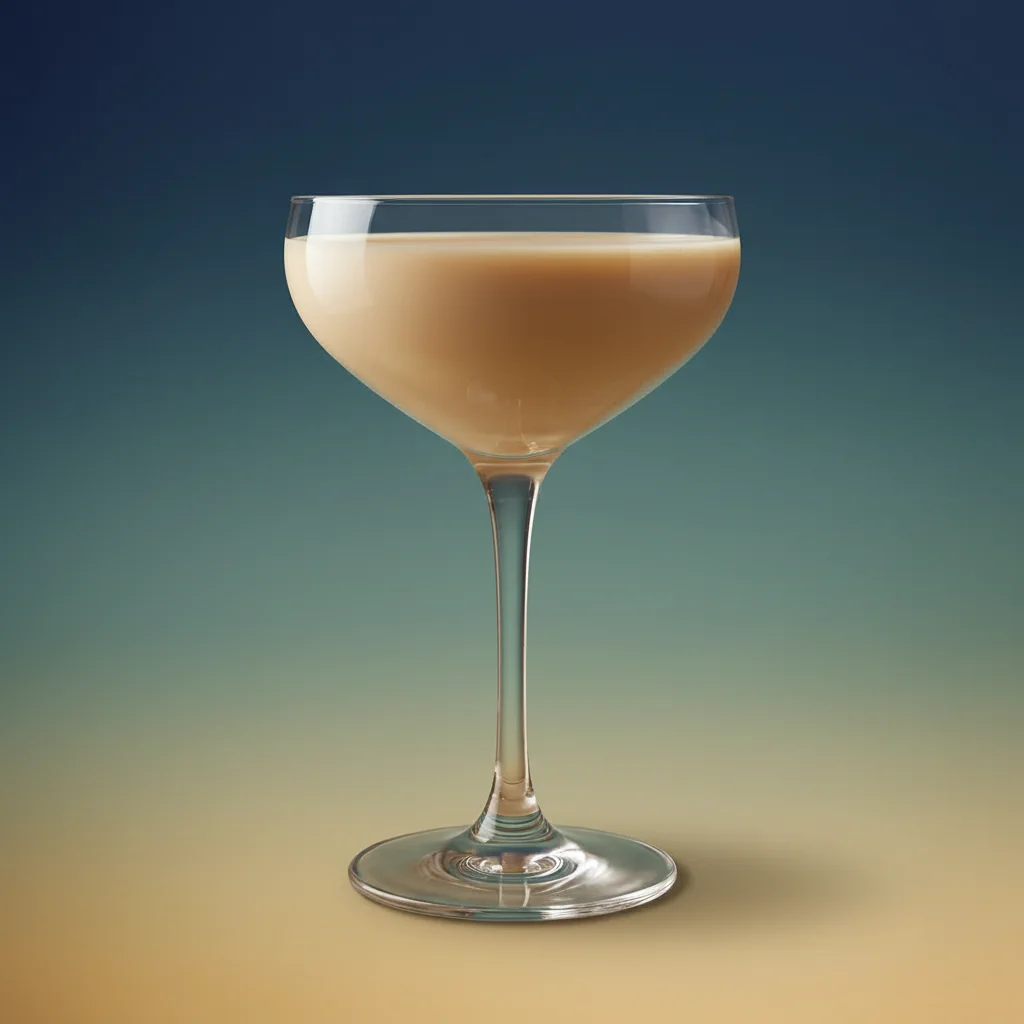
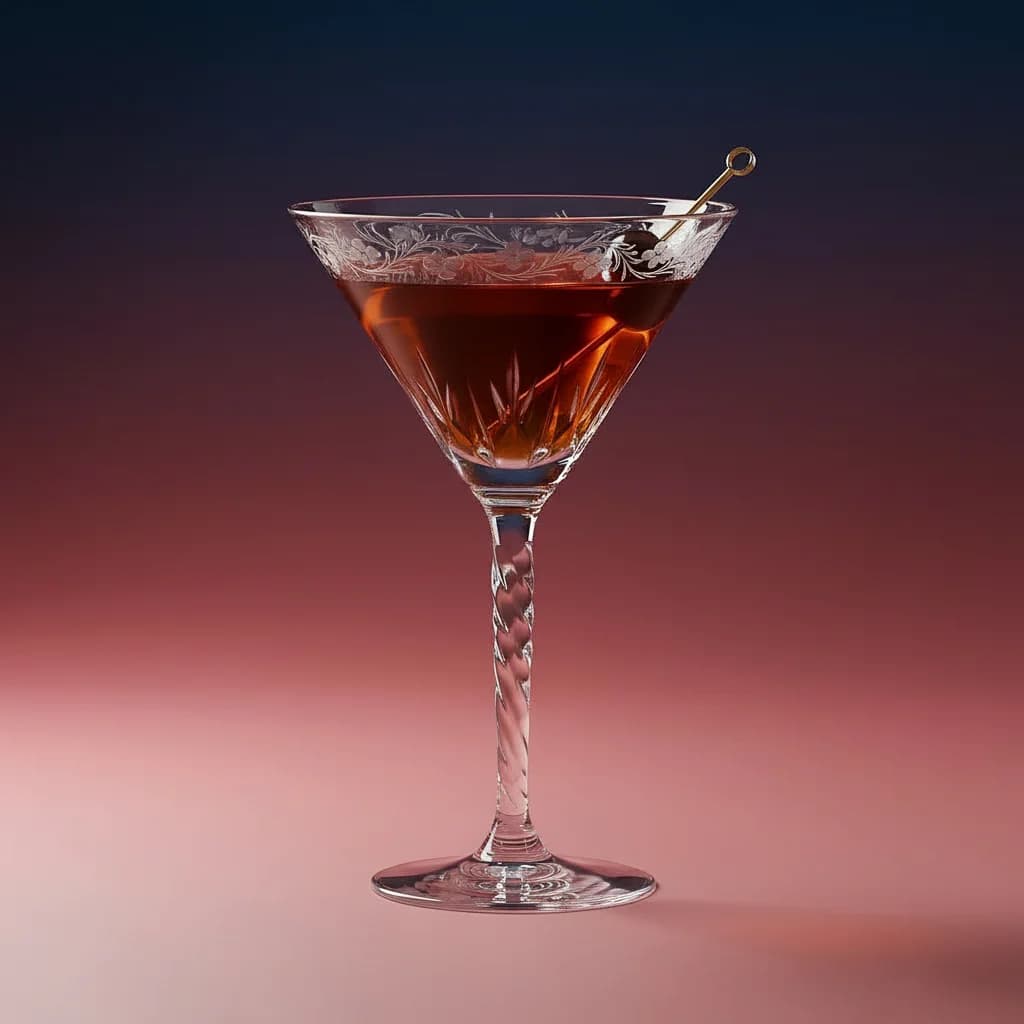
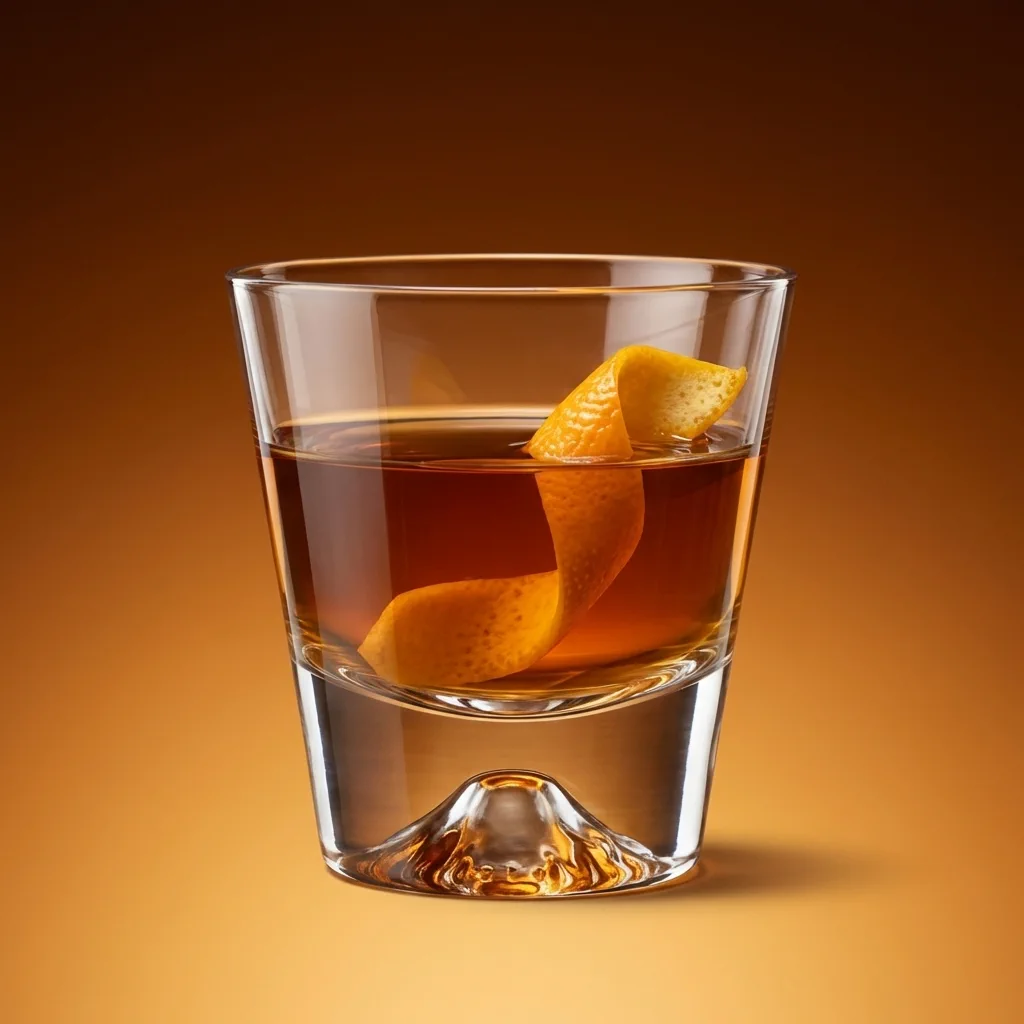
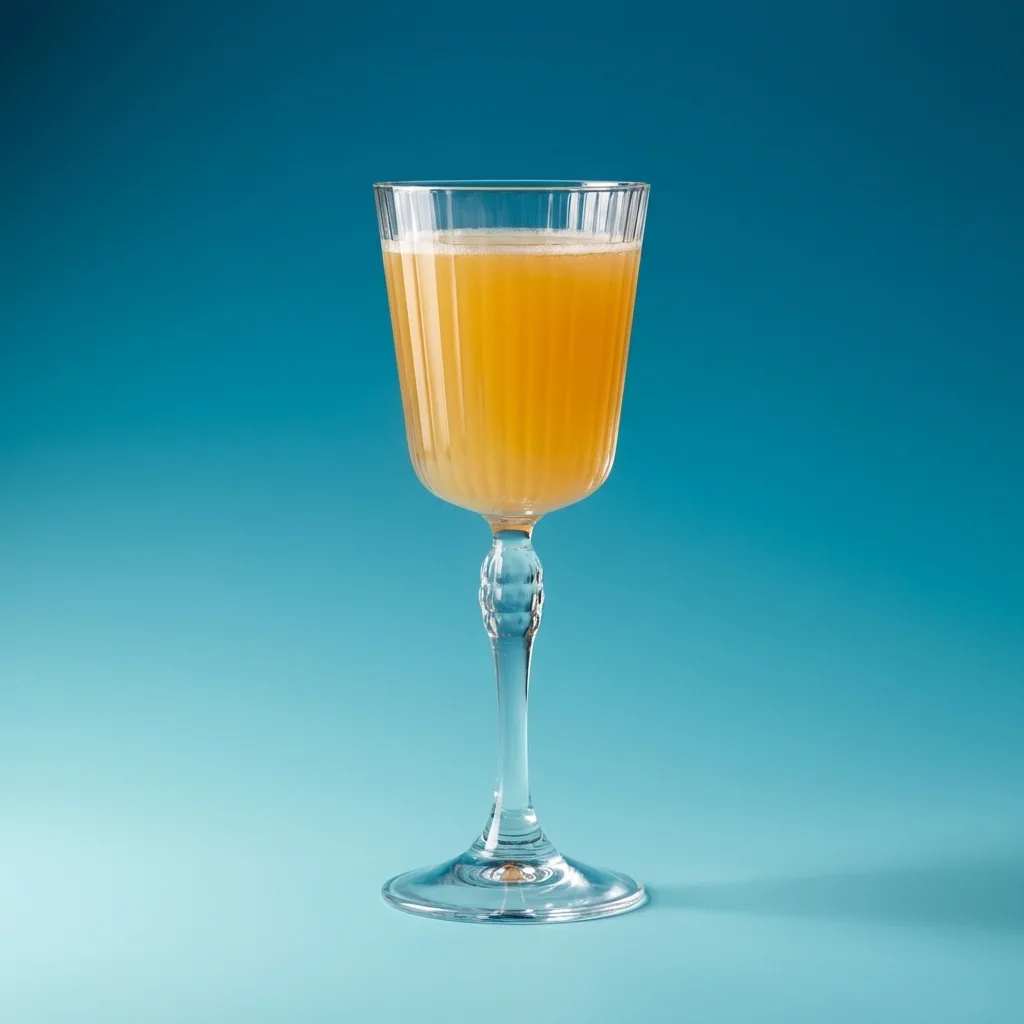
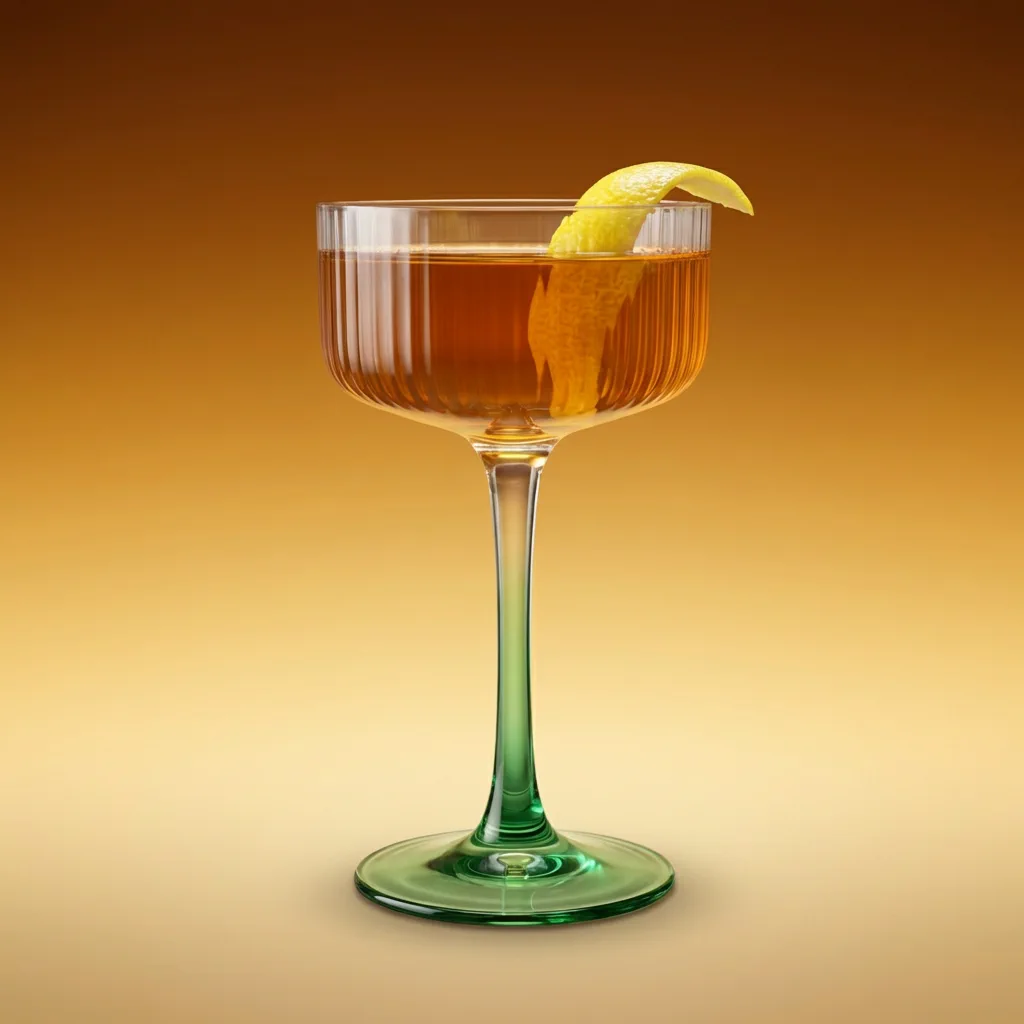
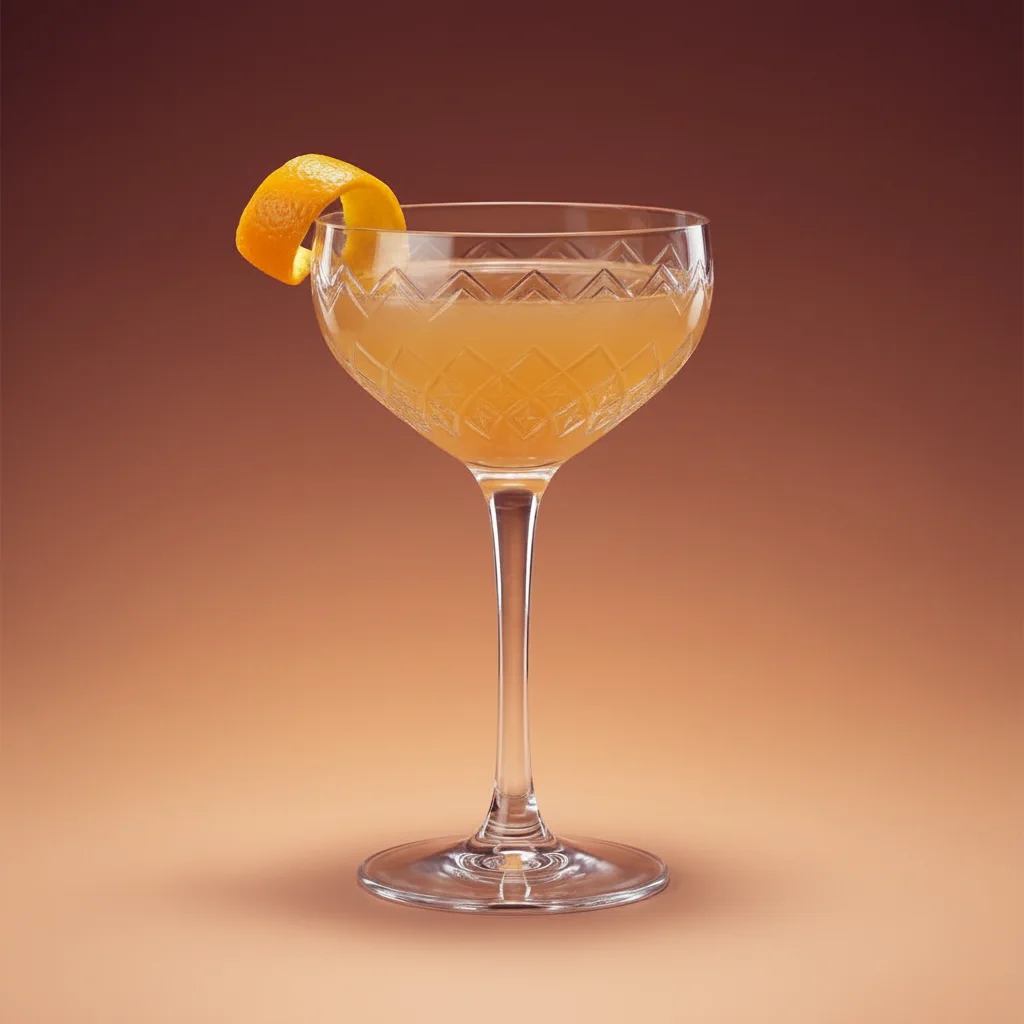
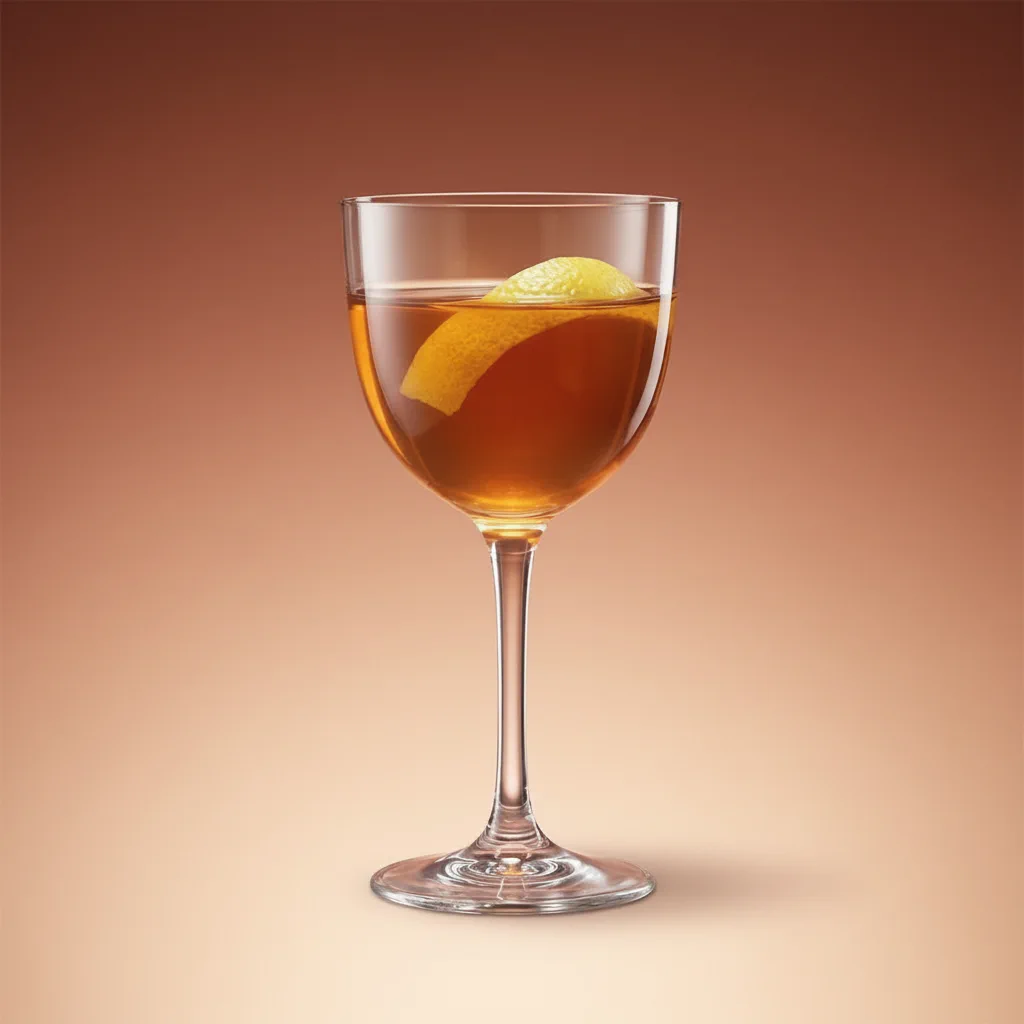
The Japanese Cocktail is a stirred Cognac drink built with orgeat, Angostura bitters and strips of lemon peel, served up with an expressed lemon twist. Silky and dense on the tongue, with a nutty sweetness that softens the bitters' bite before a bright citrus snap lingers on the finish.
Ingredients
1
Servings

Garnish

Instructions for 1 serving
- Pre-chill a glass
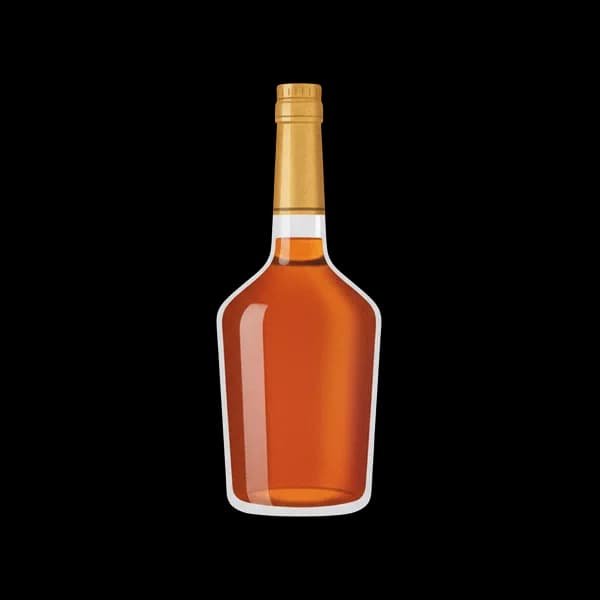
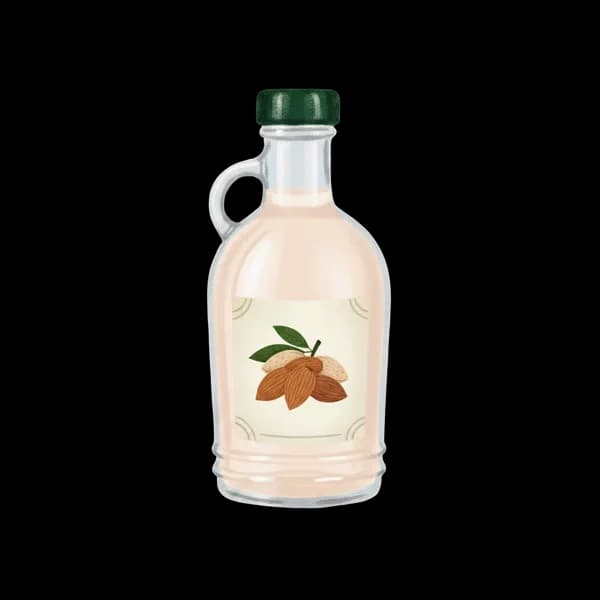
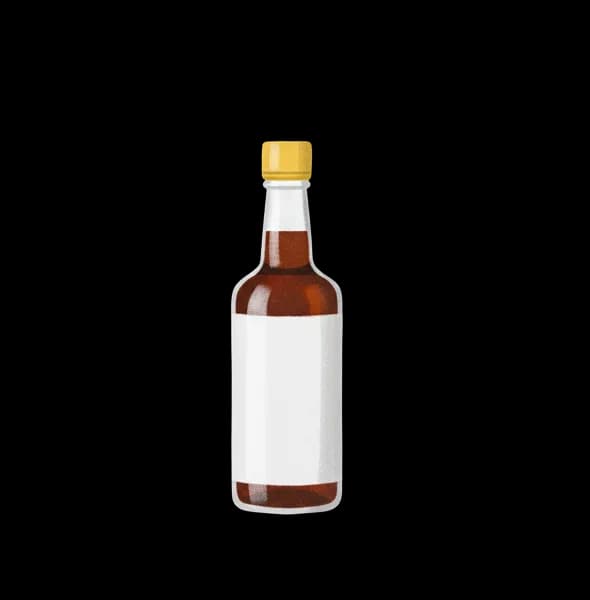
- Stir all ingredients with ice: Lemon peel 2 pcsCognac 60 mlOrgeat (almond) syrup 10 mlAngostura aromatic bitters 3 dashes
- Strain into the chilled glass
- Express a lemon twist over the cocktail and use as garnish
Tips
- Shake the orgeat bottle well before measuring — it separates, and a thin pour leaves the drink underpowered and too boozy.
History
The Japanese Cocktail first appeared in Jerry Thomas's 1862 book How to Mix Drinks, or the Bon-Vivant's Companion, and is considered one of the few recipes in that book that Thomas likely invented himself rather than collected from others. Despite its name, the drink uses no Japanese ingredients, being built from cognac, orgeat syrup, and aromatic bitters.
Cocktail historian David Wondrich has traced the likely reason for the name to June 1860, when the first Japanese diplomatic mission to the United States wrapped up its tour with several weeks in New York City, lodging at the Metropolitan Hotel just a block from Thomas's bar. A young member of the delegation, Tateishi Onojiro Noriyuki, known to New Yorkers as "Tommy," became a local celebrity for his fondness for both women and drink, and is thought to have inspired Thomas to name a new cocktail in his honor, though no contemporary document states this directly. The original recipe called for Boker's (sometimes rendered Bogart's) bitters, a cardamom-forward bitters common in the mid-19th century, which later gave way to Angostura bitters after Boker's ceased production during Prohibition.
FAQ
What is in a Japanese Cocktail?
Cognac, orgeat (almond) syrup, Angostura bitters and a couple of strips of lemon peel, stirred with ice and strained up into a chilled glass with an expressed lemon twist. It is a Cognac-based drink despite the name, built around the nutty sweetness of orgeat balanced against aromatic bitters.
How do you make a Japanese Cocktail?
Stir Cognac, orgeat syrup, and Angostura bitters with ice, then strain into a pre-chilled glass. Express a lemon twist over the top and drop it in as the garnish. No shaking is involved, since there is no citrus juice or egg to aerate.
Is the Japanese Cocktail actually from Japan?
No, it is a Cognac-based drink and contains no sake, shochu, or other Japanese spirit or ingredient. The name reflects the era's fascination with Japan rather than the drink's actual composition.