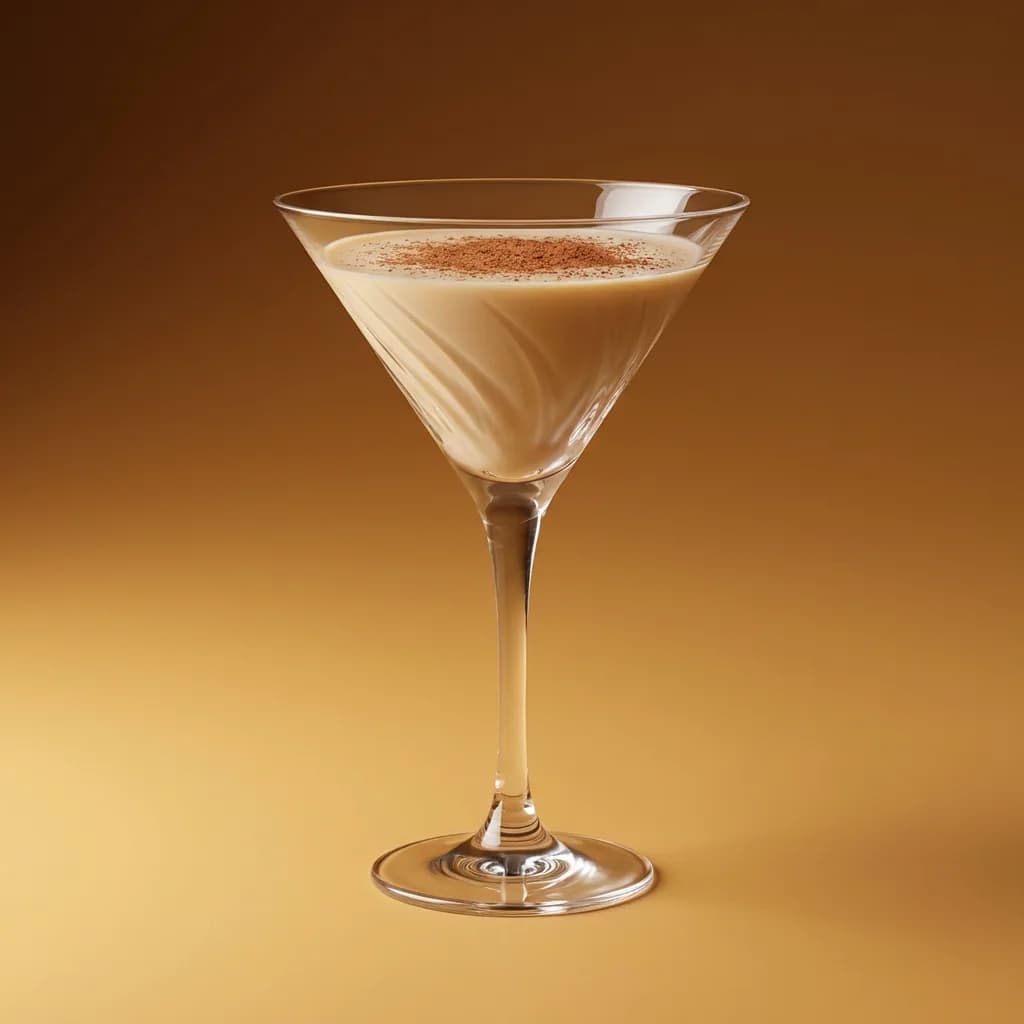
Cocktails with Mascarpone cheese
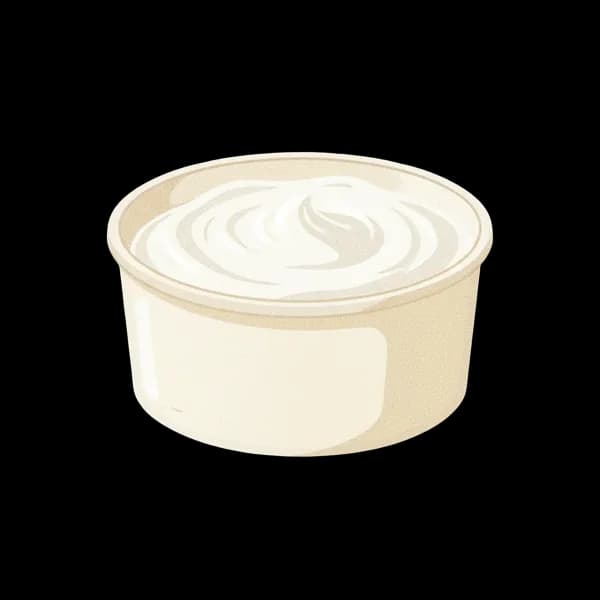
Mascarpone is a soft, fresh Italian cream cheese — dense and almost without tang.
Substitutes for Mascarpone cheese
Fat and a barely-there tang, and the fat is the part that holds a dessert drink together. Anything sharper needs sugar to sit where this sat, and anything thinner leaves the drink without the weight the recipe expects.
Often confused with
Cream cheese
Cream cheese is firmer and distinctly tangy: 30–50% fat against mascarpone’s 60% and up. In a drink it brings a curdy sourness and disperses poorly — shake longer and add about a third more sugar.
Clotted cream
Also very high in fat but set by slow heating instead of acid, so it is grainier and tastes cooked; it sits on top of a drink and will not blend into one.
Description
The cream is set with acid rather than rennet and never aged — technically closer to crème fraîche than to a cheese.
Storage
Refrigerated, closed, and used by the date on the tub. It is a fresh cheese with nothing preserving it, and it takes on fridge smells through an open lid.