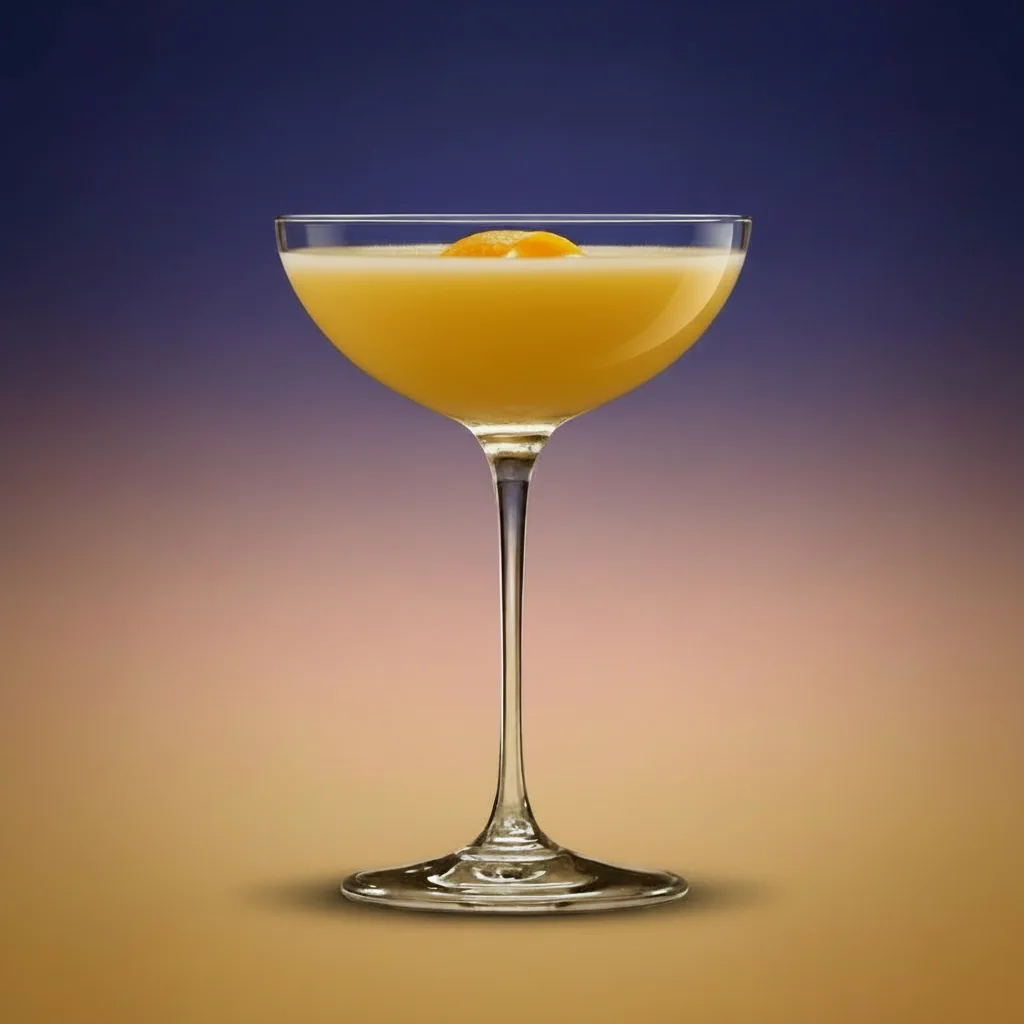
Cocktails with Orange blossom water
Orange blossom water is a clear, non-alcoholic floral water distilled from fresh bitter-orange blossoms.
Substitutes for Orange blossom water
Rose water pours in its place drop for drop, a different flower entirely, so the drink reads of roses rather than blossom — or leave the floral note out. The question is never quantity but whether you want a floral note at all. Anything else in this family is equally easy to overdo, and no fruit or peel produces the same smell.
Often confused with
Orange flower water versus orange extract
The extract is alcoholic and concentrated on the peel oil, which is a different smell entirely; swapping them makes a drink taste of orange peel and not of blossom.
Neroli oil
The essential oil of the same blossom, many times stronger, and it must not be poured. Its place is in perfumery — a drop of the oil is not a drop of the water; it will make a drink taste of soap.
Storage
Sealed, dark and cool, and it keeps for a year or more. It fades instead of spoiling, so an old bottle needs a heavier hand — the one situation in which more of it is right.