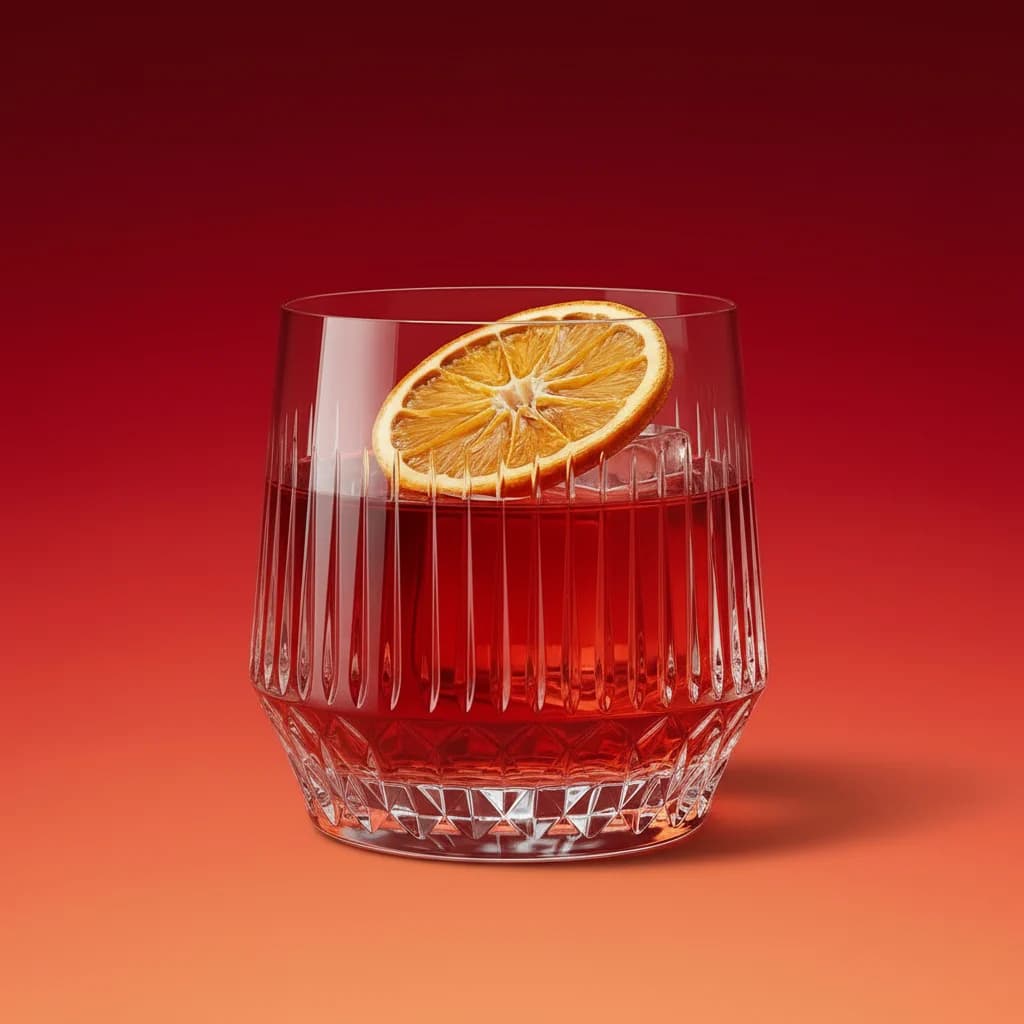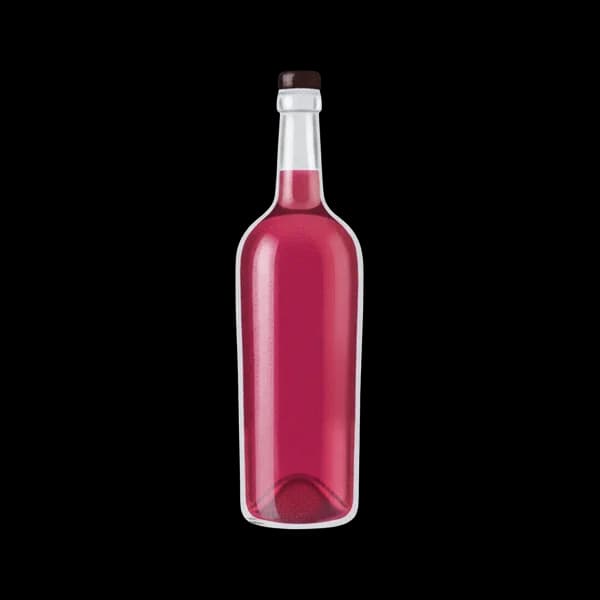
Cocktails with Pink port
Pink port is Port made the way a rosé wine is: a few hours of skin contact with red grapes for the color, then fortification, then almost straight into the bottle.
ABV19.5%At the light end of the Port range.
Substitutes for Pink port
It brings three things at once — Port strength, Port sweetness, and a pale pink color nothing else fortified has. No substitute holds all three, so the only real question is which of them the drink was built on.
On the label
- "pink" / "rosé"
- Croft’s brand name and the generic that followed it. Either word on a bottle means the same thing: a young, pale, fruit-led wine meant to be drunk cold and drunk soon, not kept.
Often confused with
Ruby matches the strength and comes close on the sweetness, and misses on one thing only: it pours deep red. In an opaque or dark stirred drink the color difference is negligible; in the pale serve that pink port was bought for, it defeats the purpose.
Still rosé wine
The color is right and the alcohol is not — about 12% against 19.5% — so a drink built on it lands noticeably lighter. Accept that, or bring it back up: roughly 20 ml of a 40% neutral or grape spirit per 60 ml of wine puts it at Port strength.