Cocktails with Sage leaves
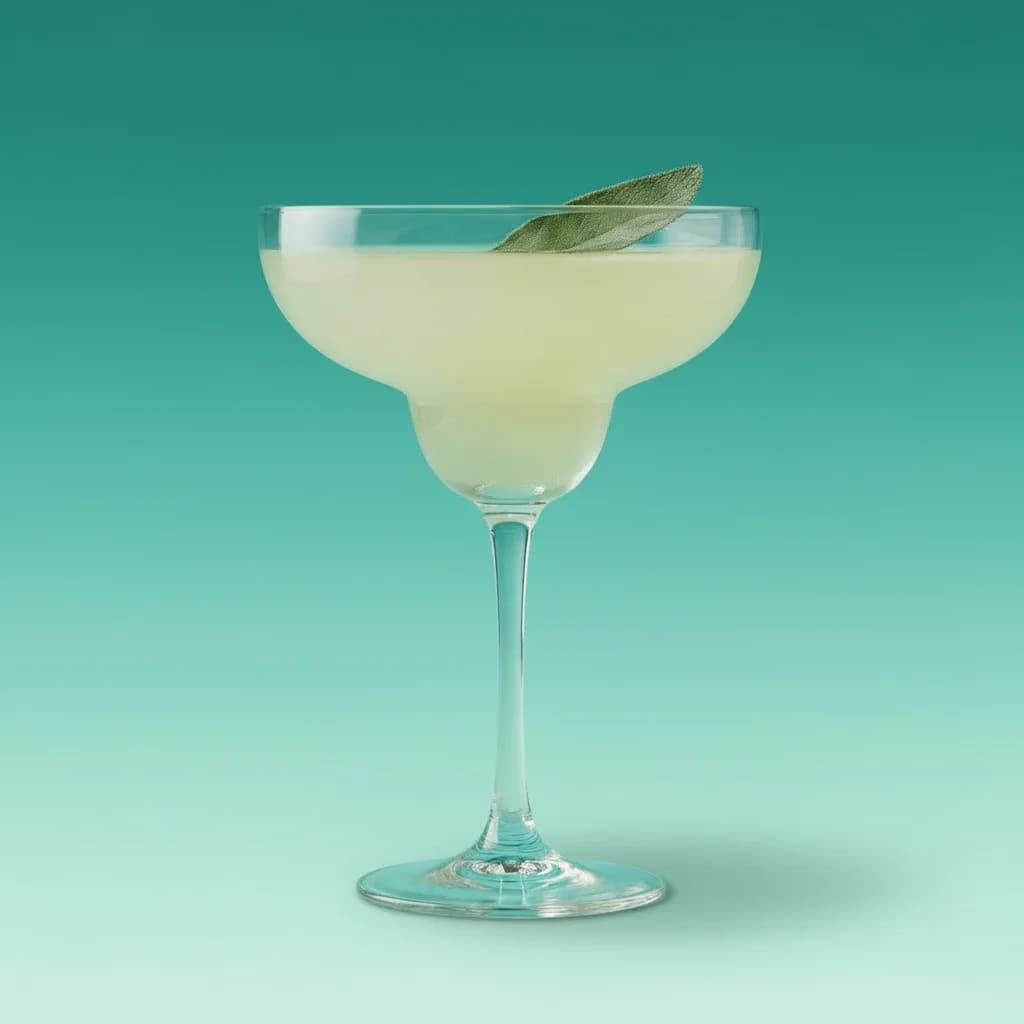
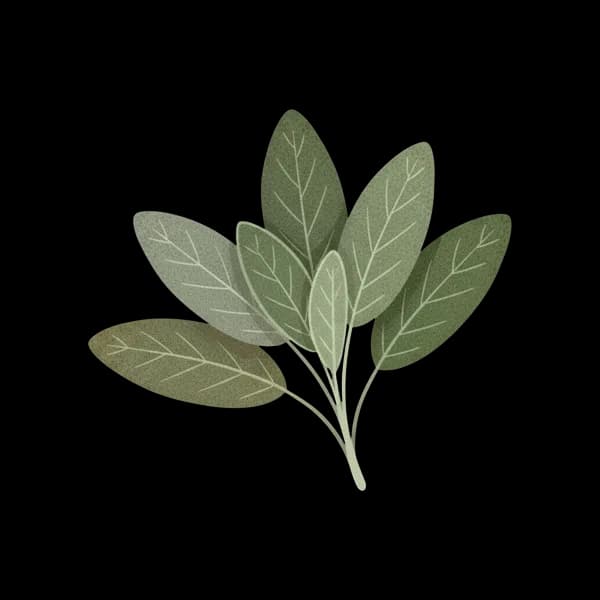
Sage is the aromatic leaf of a Mediterranean herb in the mint family, used fresh or dried.
Substitutes for Sage leaves
Thyme or rosemary keeps the woody Mediterranean register and moves the aroma. A short sage infusion in the syrup gives the flavor with no leaf to look at. Dried sage is dusty and one-note and belongs in cooking rather than in a glass.
Often confused with
Greek sage
Supermarkets sell it simply as "sage", but it is a different species with a more eucalyptus aroma. Common sage always has a plain leaf, Greek sage grows a three-lobed one with age — and in a drink the Greek reads sharper and more medicinal.
Ornamental salvias
The genus runs to hundreds of species and the name is applied loosely. Pineapple sage and white sage are not culinary and will not do what a recipe means by sage.
Storage
Wrapped in the fridge it keeps a few days and blackens at the edges first. It dries well and keeps months dried, losing the freshness and keeping the camphor. A leaf that has gone limp still smells fine and looks wrong as a garnish.