Sage Margarita
A herbal and sour tequila cocktail ∙ Muddle; Shake ∙ 4 min ∙ 23.4% ABV ∙
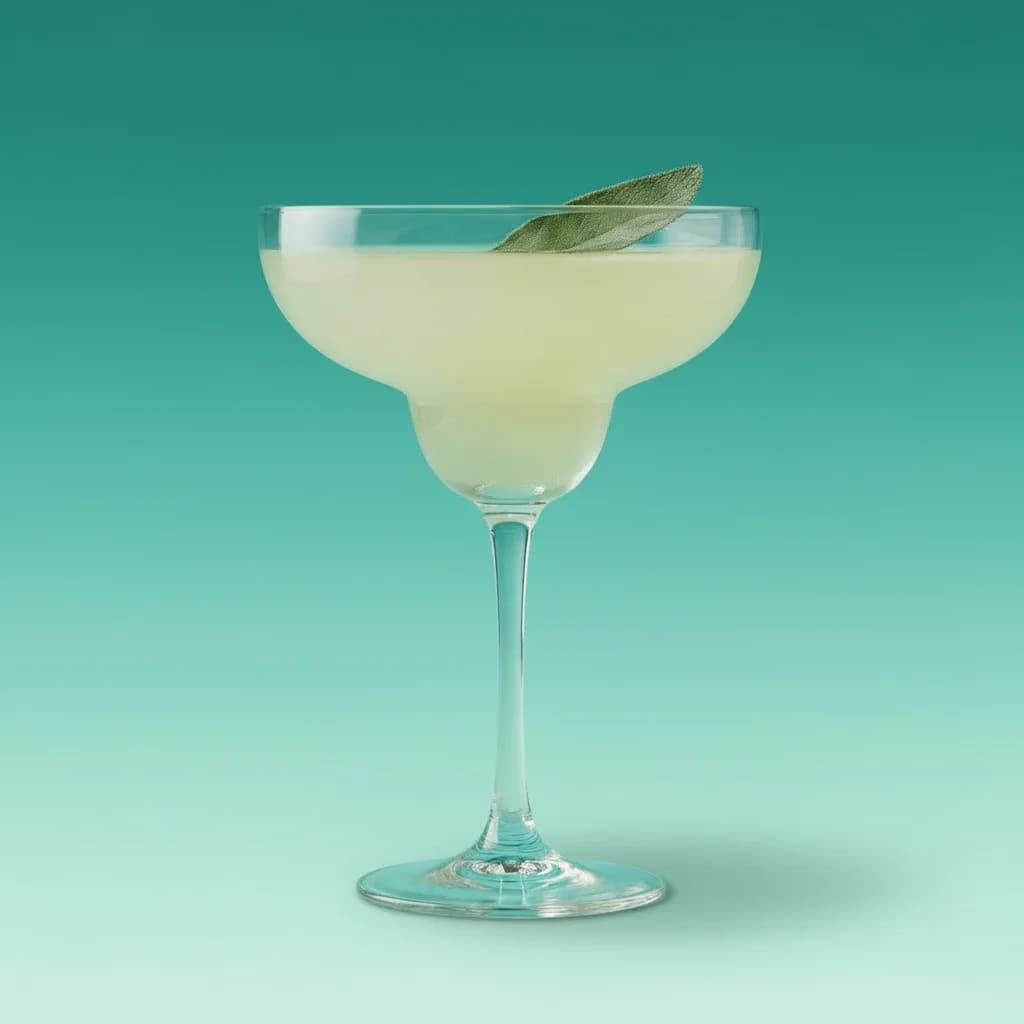
The Sage Margarita is a shaken tequila sour that muddles fresh sage into the classic tequila, orange liqueur, and lime build. Muddled sage gives an herbal, savory edge over tart lime, with the reposado's oak warmth settling in behind a clean, dry finish.
Ingredients
1
Servings
Garnish

Instructions for 1 serving
- Pre-chill a glass
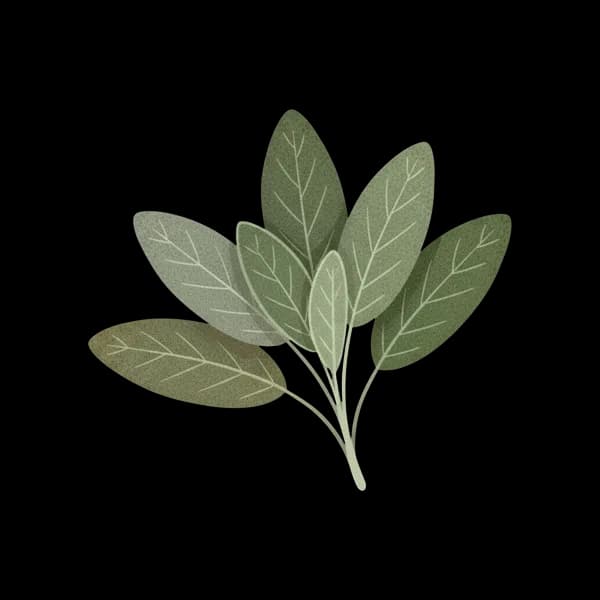
- In the base of the shaker, lightly muddle: Sage leaves 3 pcs
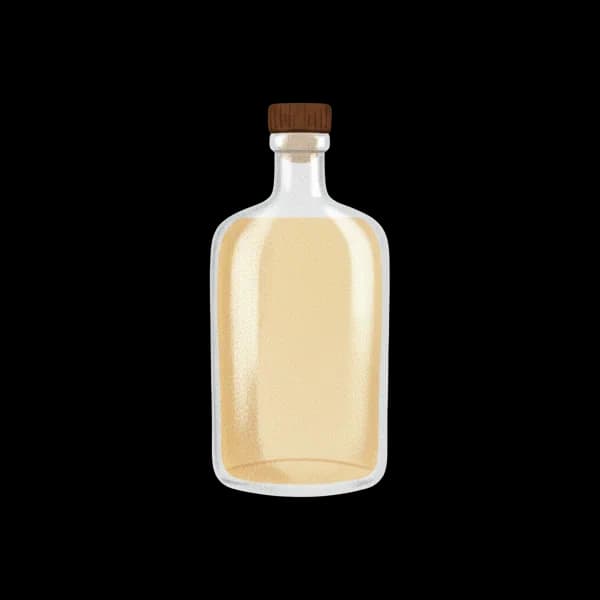
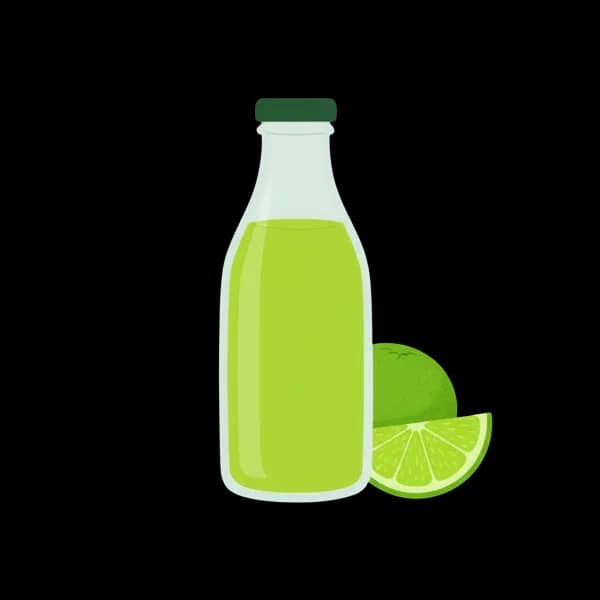
- Add the remaining ingredients: Tequila reposado 60 mlTriple sec 30 mlLime juice 30 mlSugar syrup 5 ml
- Shake with ice
- Fine strain into the chilled glass
- Garnish with a sage leaf
Tips
- Muddle the sage leaves lightly and briefly in the shaker base before adding liquids; over-muddling bruises the leaves and turns the drink bitter and grassy.
History
The Sage Margarita has no single documented creator or bar of origin; it belongs to a wave of herb-infused Margarita riffs that bartenders began muddling into the classic template as the cocktail-renaissance era embraced fresh herbs alongside citrus and agave spirits. Its defining change is simple: fresh sage leaves are muddled into the shake, lending the tequila sour a savory, aromatic edge that the original recipe never had.
The Margarita itself is a tequila, orange liqueur, and lime sour whose exact origin is disputed among several rival claimants placing its creation across Mexican and American border towns between the 1930s and late 1940s. Most historians view it as an evolution of the Tequila Daisy, a drink already popular in the 1930s, noting that "Margarita" is simply Spanish for "daisy."
FAQ
What is in a Sage Margarita?
Tequila reposado, triple sec, fresh lime juice, and a touch of sugar syrup, shaken with muddled fresh sage leaves and fine-strained into a chilled glass. It is finished with a sage leaf garnish rather than the usual lime wheel or salt rim.
What flavor balances sage?
Citrus balances sage well, which is why this drink pairs it with lime juice; the acidity cuts the herb's savory, piney edge while a touch of sugar syrup rounds out any bitterness from muddling.
What alcohol goes with sage?
Tequila, gin, and bourbon all pair well with sage, since their bolder, earthier profiles stand up to the herb rather than being overpowered by it. This drink uses tequila reposado, whose oak and agave notes complement sage's savory character particularly well.
What are some common margarita mistakes?
The most common mistakes are using bottled lime juice instead of fresh, over-pouring the triple sec so it masks the tequila, and skipping a fine strain when the build includes muddled ingredients. In this recipe specifically, over-muddling the sage is the main risk, since it releases bitter, grassy compounds into the shake.