Cocktails with Tequila añejo
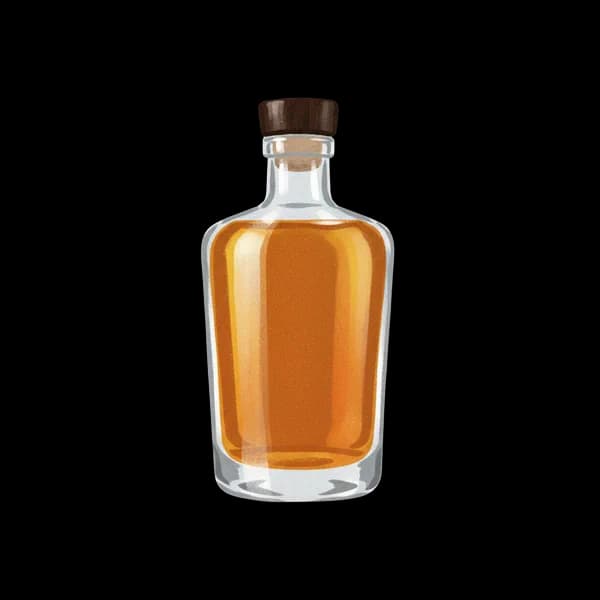
Tequila añejo is blue-agave tequila aged at least a year in oak (usually ex-bourbon casks of 600 L or less), which turns it amber, softens the agave and layers on oak, vanilla and caramel. It’s the deep-aged rung above reposado; three years or more makes it extra añejo.
ABV35–55%By law, most añejo at 38–40%. Since it’s usually near 40%, in a stirred drink its own oak carries it more than the proof does.
Substitutes for Tequila añejo
Long oak over agave is the shape, and less oak is the usual compromise: reposado is the nearest swap, and a blanco is the swap that gives it up entirely. A barspoon of an aged rum or a soft cognac puts a little of the barrel weight back without adding sugar.
On the label
- Blanco / Reposado / Añejo / Extra Añejo
- Blanco unaged, reposado two to twelve months, añejo a year and up, extra añejo three years and up.
- additives / "additive-free"
- Even 100% agave may legally carry up to 1% additives (caramel, oak extract, glycerin, sugar) undisclosed.
- cristalino
- An aged tequila (reposado or añejo) charcoal-filtered clear — a marketing category, aged flavor without the color.