Mexican Martini
A sour and citrus tequila cocktail ∙ Shake ∙ 3 min ∙ 21.1% ABV ∙
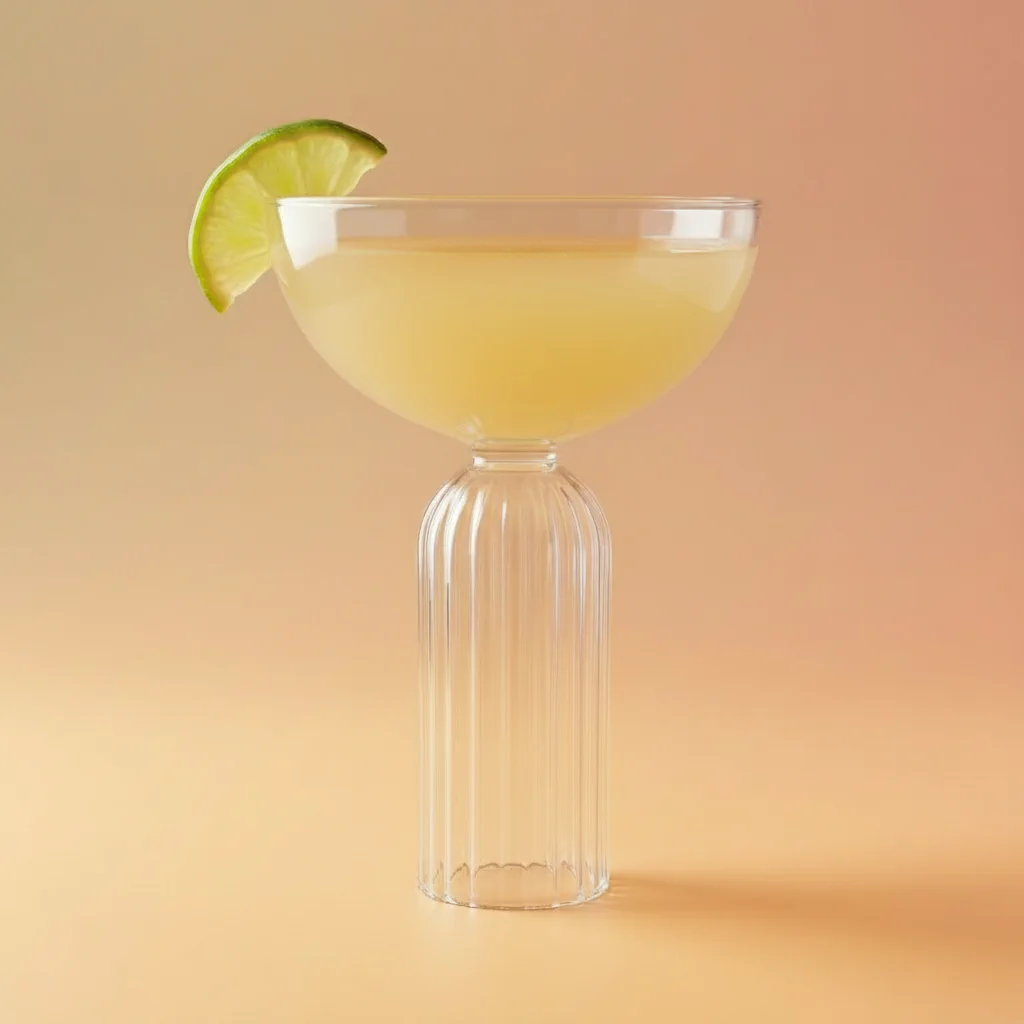
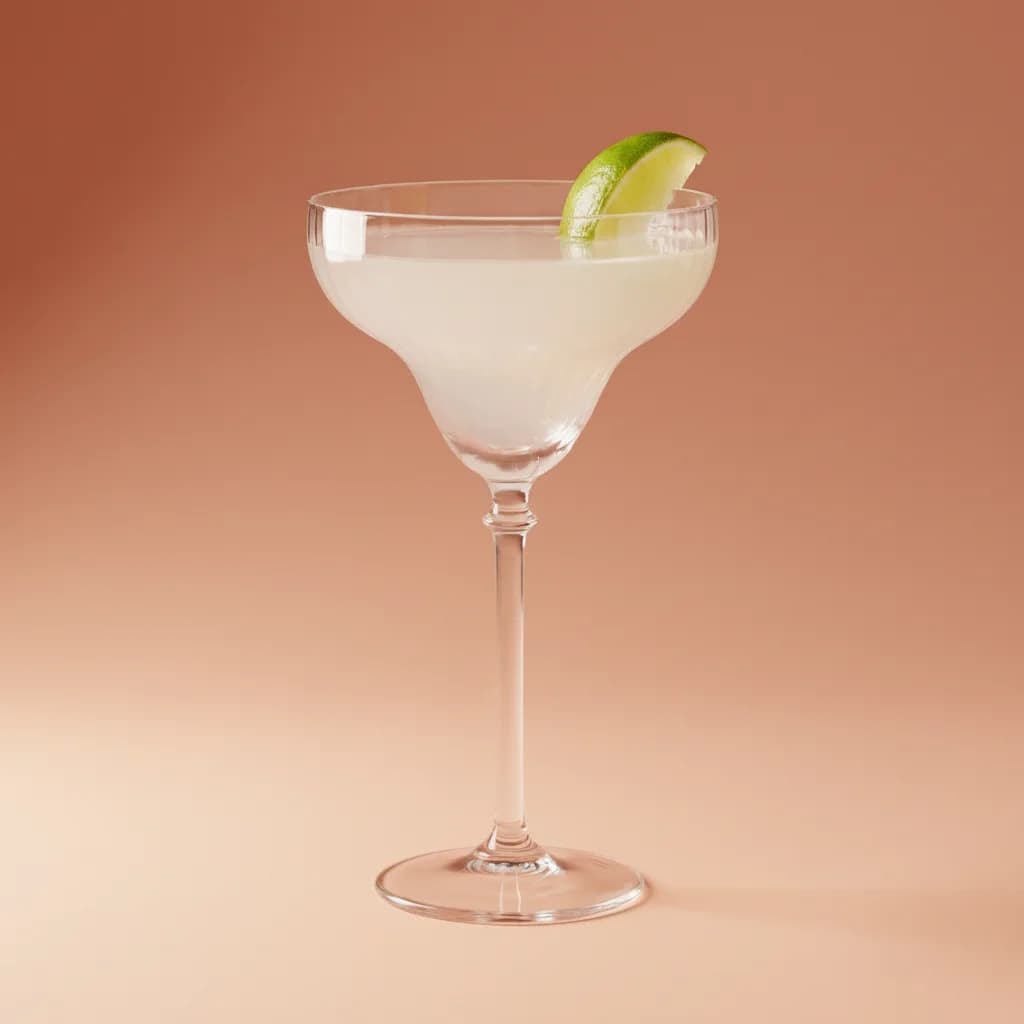
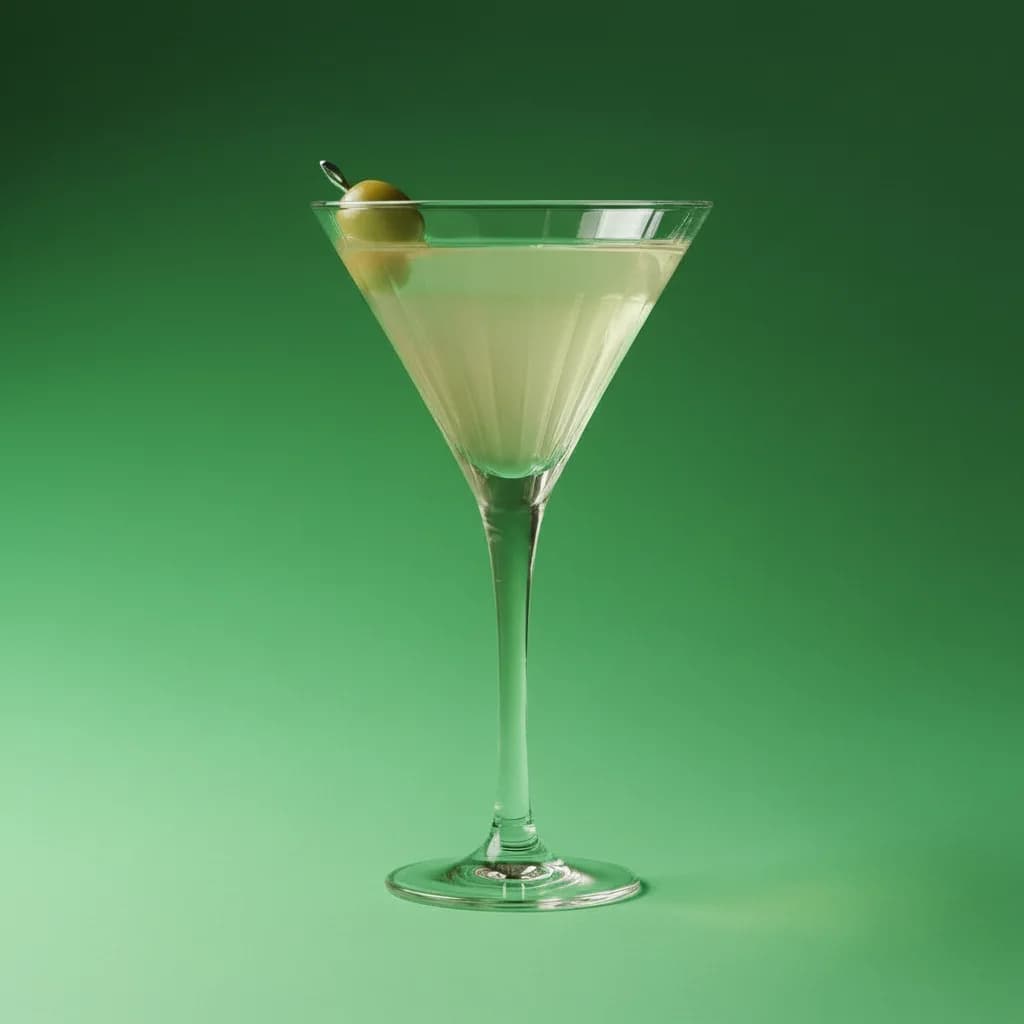
The Mexican Martini is a shaken tequila añejo sour with triple sec, lime, and agave — a Tex-Mex riff on the Margarita, served up, not a true martini. Cold and silky with a sharp citrus snap, this finishes warm and faintly oaky, the briny olive garnish cutting through the sweetness on each sip.
Ingredients
1
Servings

Garnish
Instructions for 1 serving
- Pre-chill a glass
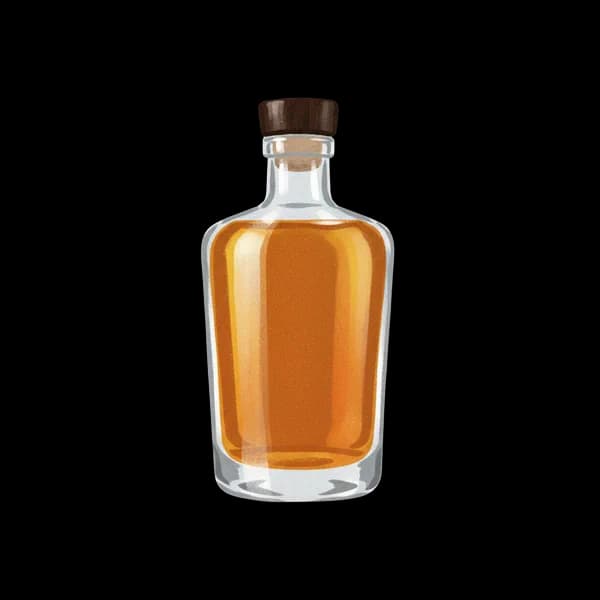
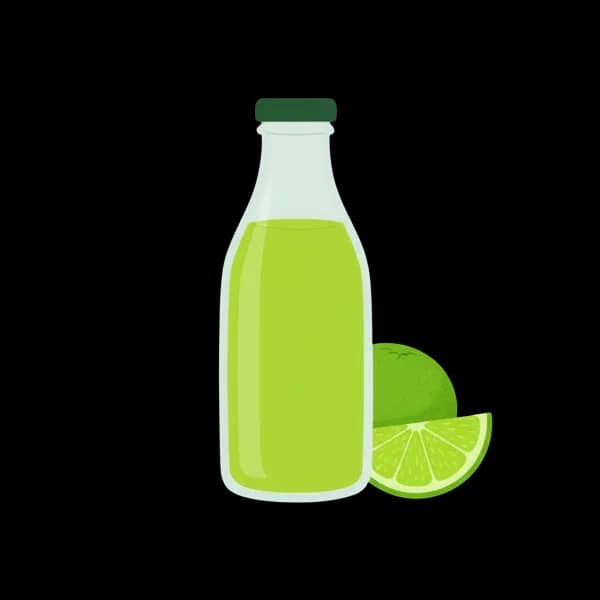
- Shake all ingredients with ice: Tequila añejo 45 mlLime juice 20 mlTriple sec 10 mlAgave syrup 10 ml
- Fine strain into the chilled glass
- Garnish with jalapeño stuffed olives on a skewer
History
The Mexican Martini is an Austin, Texas invention traced to the Cedar Door bar, where it has been a menu staple since the early 1980s. According to the bar's account, a Cedar Door bartender named Ellen encountered an olive brine-enhanced Margarita while traveling in Matamoros, Mexico, and brought the idea back to founders Gus and Diane Koerner, who adapted their Margarita into a shaken, up-served drink garnished with pimiento-stuffed olives. Other Austin bars, including Trudy's, have also laid claim to the drink, and its exact origin remains debated locally, though the Cedar Door is most widely credited as the source. The name reflects its construction: a Margarita built and served "up" in a Martini glass rather than over ice or blended, traditionally with olive brine added for a briny, dirty-Martini edge.
The drink is built directly on the Margarita, a tequila, orange liqueur, and lime cocktail whose own origin is disputed among several rival Mexican and American claimants dating from the 1930s through the 1940s. The Mexican Martini's defining departure is its up-serve and olive garnish — classic versions add olive brine for the savory edge, a step this build leaves out.
FAQ
What is a Mexican Martini made of?
Tequila añejo, fresh lime juice, triple sec, and agave syrup, shaken with ice and fine-strained into a chilled martini glass. It is garnished with jalapeño-stuffed olives on a skewer rather than a citrus twist or salt rim.
What is the difference between a Mexican Martini and a Margarita?
A Margarita is traditionally served on the rocks or up in a cocktail glass, often with a salt rim, while a Mexican Martini is shaken and strained into a martini glass with a savory olive garnish instead of citrus or salt. Both share the same core of tequila, orange liqueur, and lime, but this build uses aged tequila añejo and agave syrup in place of the Margarita's usual sugar syrup, giving it a rounder, oakier profile.
What's the difference between a Martini and a Mexican Martini?
A classic Martini is gin or vodka with dry vermouth, garnished with an olive or lemon twist, while a Mexican Martini shares only the glass and the olive garnish. This build is actually a tequila sour of tequila añejo, lime juice, triple sec, and agave syrup, closer in composition to a Margarita than to a true Martini.
What tequila is best for a Mexican Martini?
Tequila añejo is best — its barrel aging gives a rounder, slightly oaky character that stands up to the lime. A blanco tequila works too, but it trades away that smoother, aged finish.
What are the ingredients for a Mexican Martini?
Tequila añejo, fresh lime juice, triple sec, and agave syrup, shaken with ice and fine-strained into a chilled martini glass, then garnished with jalapeño-stuffed olives on a skewer.