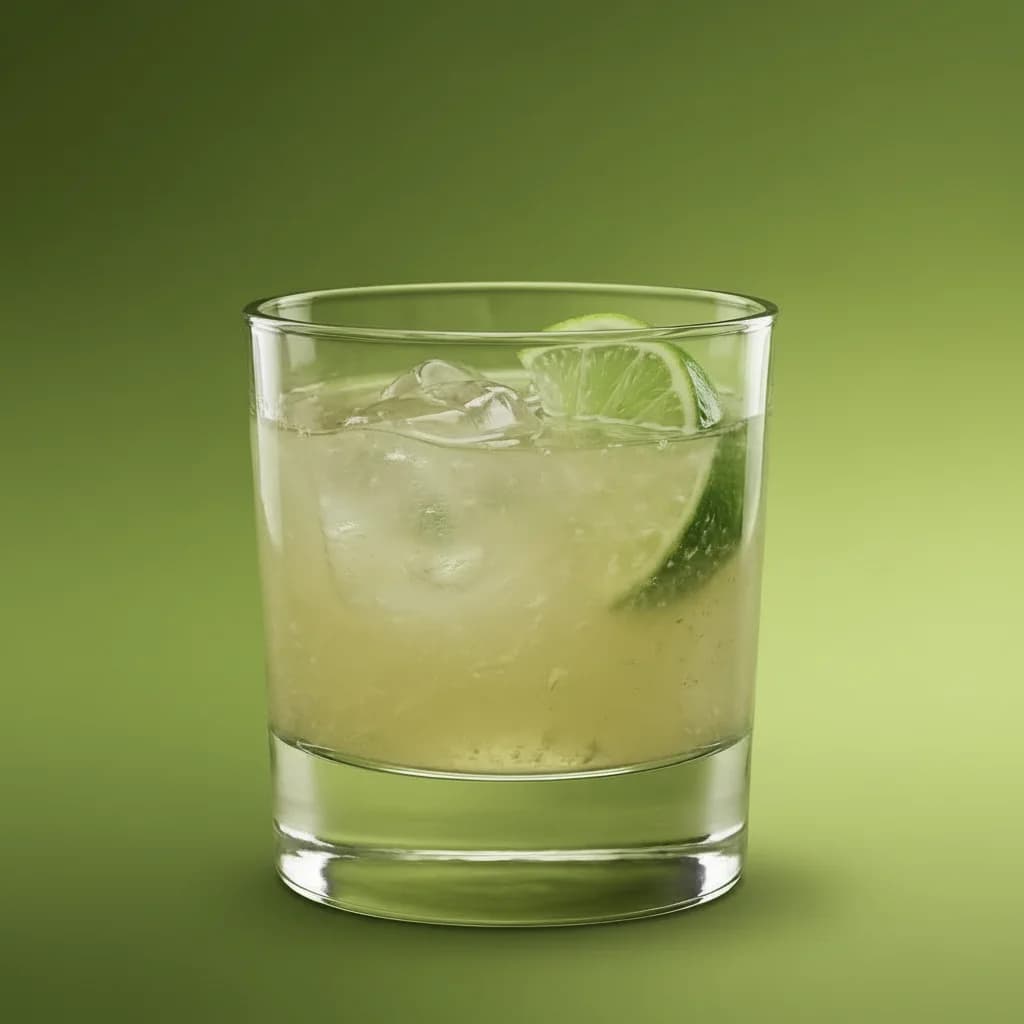
Cocktails with Aguardiente
Aguardiente ("firewater") is a broad name for strong distilled spirits across the Spanish- and Portuguese-speaking world — not one product, but a family made from cane, wine, grape pomace or fruit.
ABVAbout 24–29%For Colombian cane aguardiente, up to over 50% for grape-pomace styles.
Substitutes for Aguardiente
It is a family rather than a product, so the first job is to find out which style the recipe meant — anise, neutral cane or grape pomace behave nothing alike. Match the style first and the strength second.
Often confused with
Cachaça is cane-based and usually 38–48%, while aguardiente may turn out to be the anise Colombian one at 24%. In a Caipirinha the first works measure for measure; the second turns the drink towards anise and wants about half again as much.
Orujo (grape pomace brandy)
Orujo is a grape-pomace spirit from northern Spain, over 50% ABV. Its full name is “aguardiente de orujo”, so it is one style within the aguardiente family rather than another word for the whole thing — and at that strength it needs a smaller pour than an anise aguardiente.
Description
The base depends on the region: cane in most of Latin America, and Colombian guaro is a cane distillate on anise at a mild 24–29%. In Spain and Portugal the word more often means a wine or pomace distillate above 50%.