Cocktails with Cachaça
Cachaça is a sugarcane spirit distilled from fermented fresh cane juice rather than molasses. By law only a spirit made in Brazil may carry the name. The cane juice keeps it grassy and fresh.
ABV38–48%That is the legal range. Mass-market white cachaça is bottled at 40%, while copper-alambique cachaça is often stronger, 43–48%.
How it's used
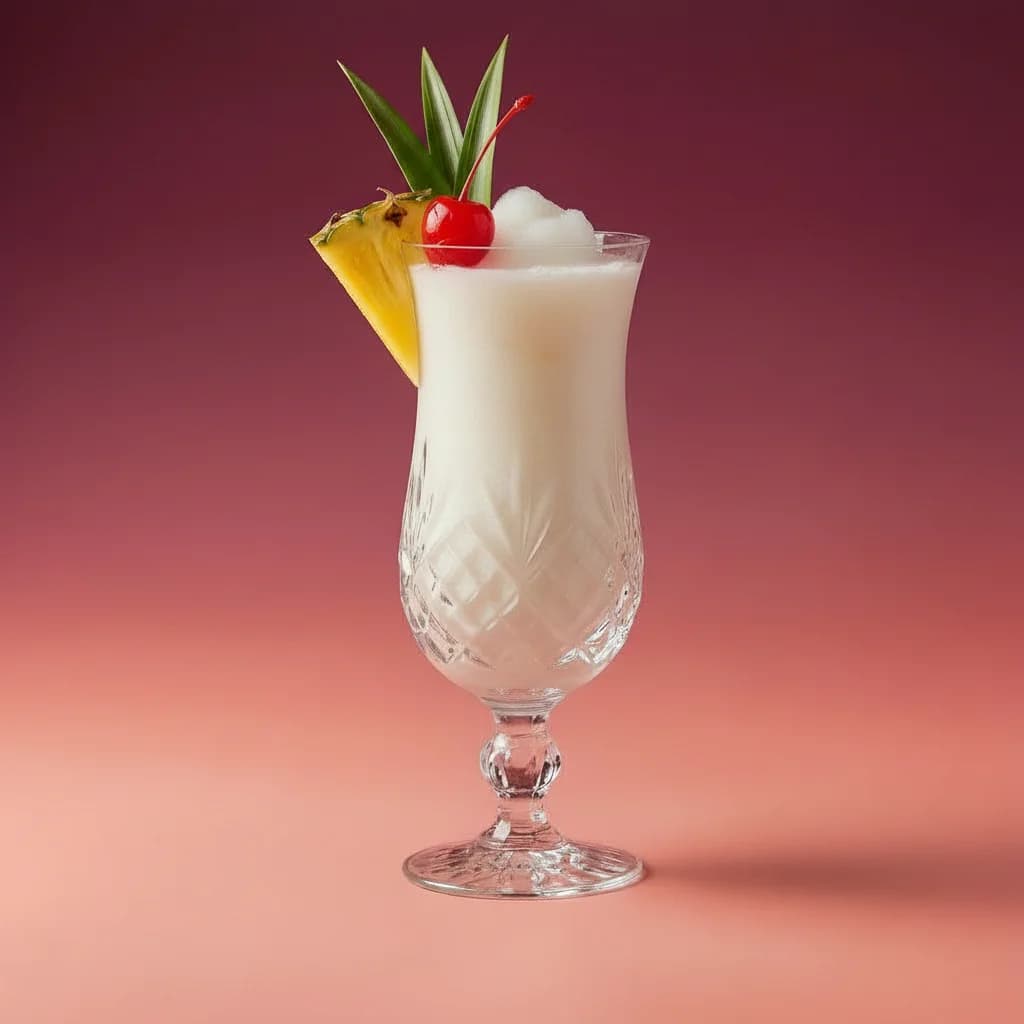
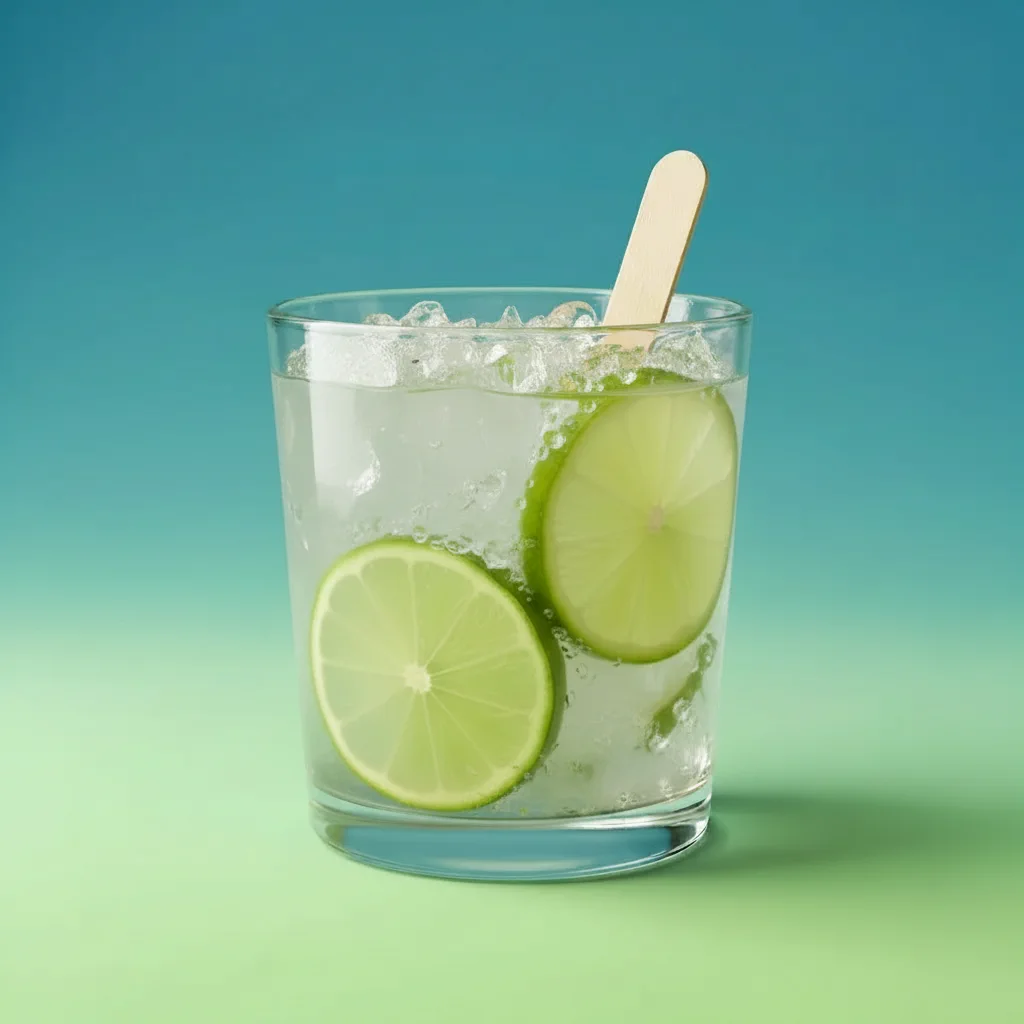
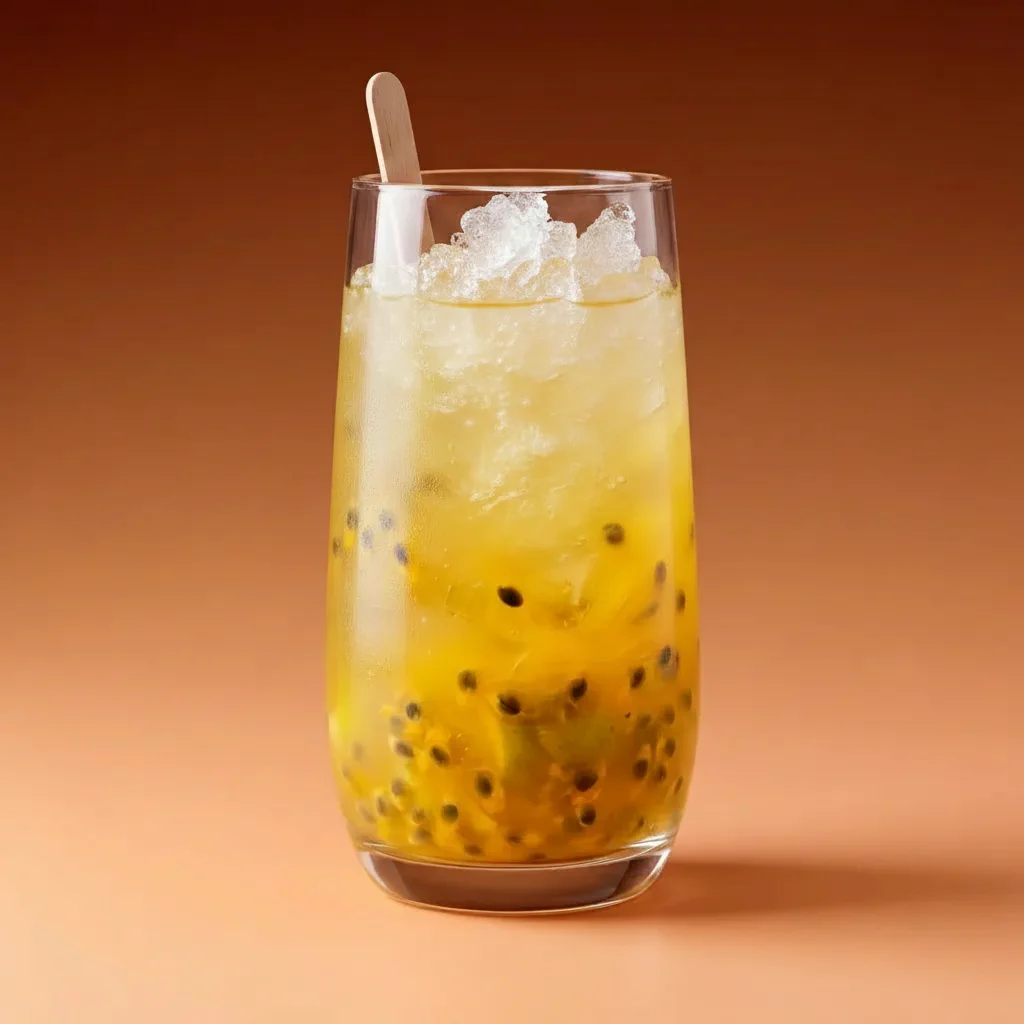
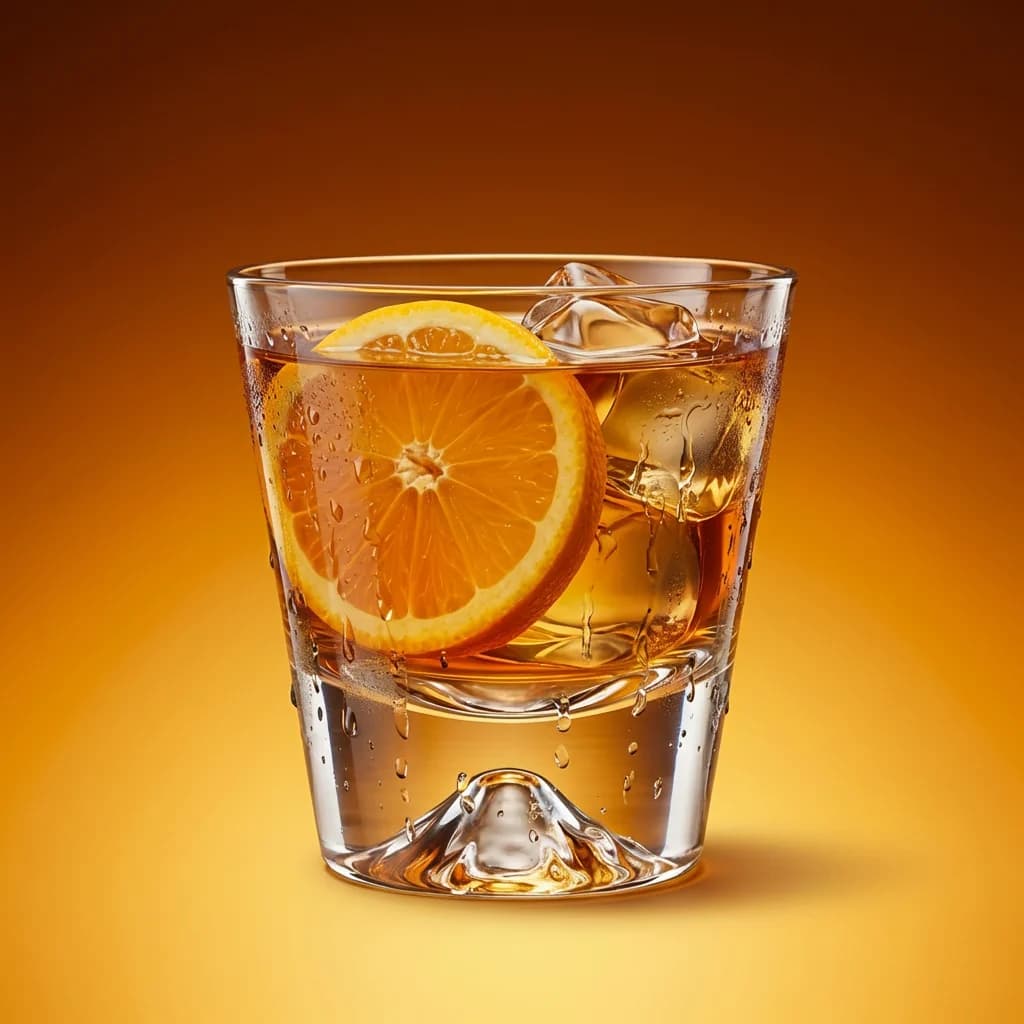
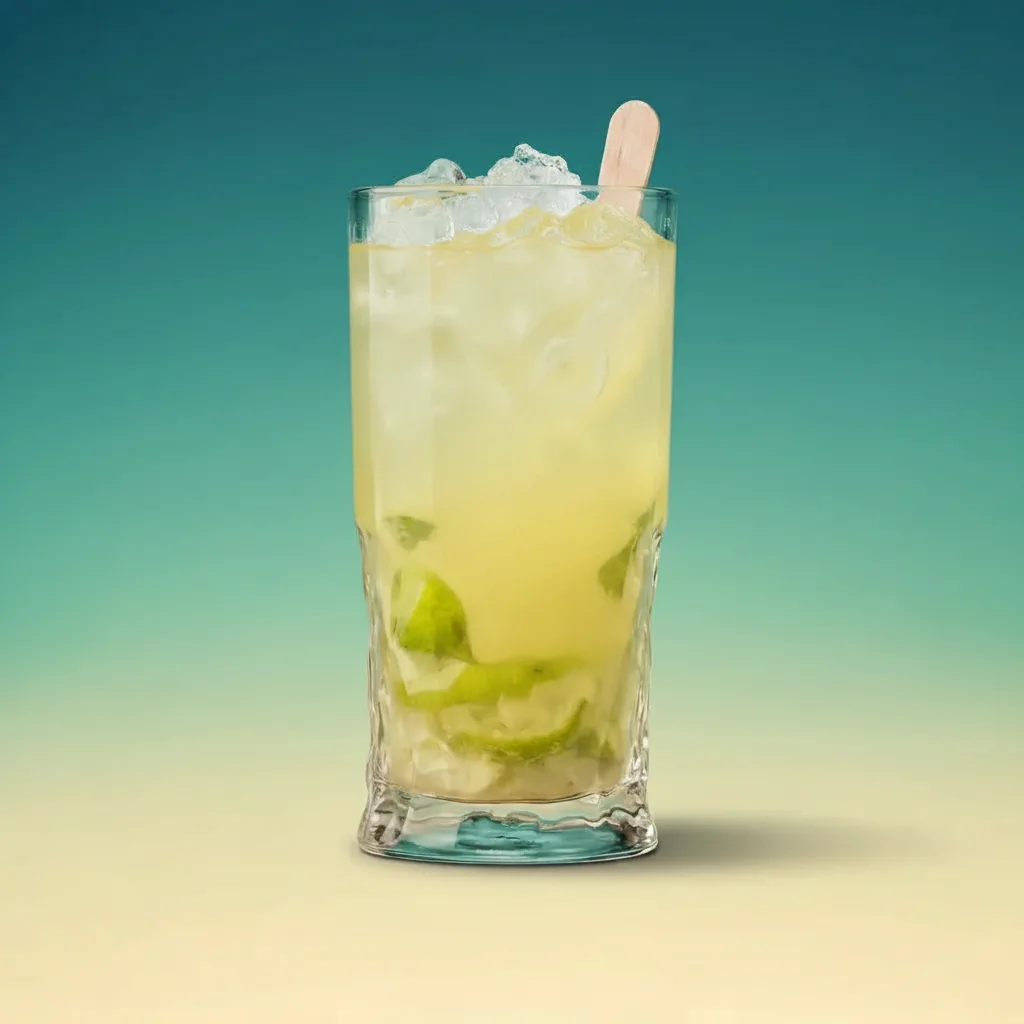
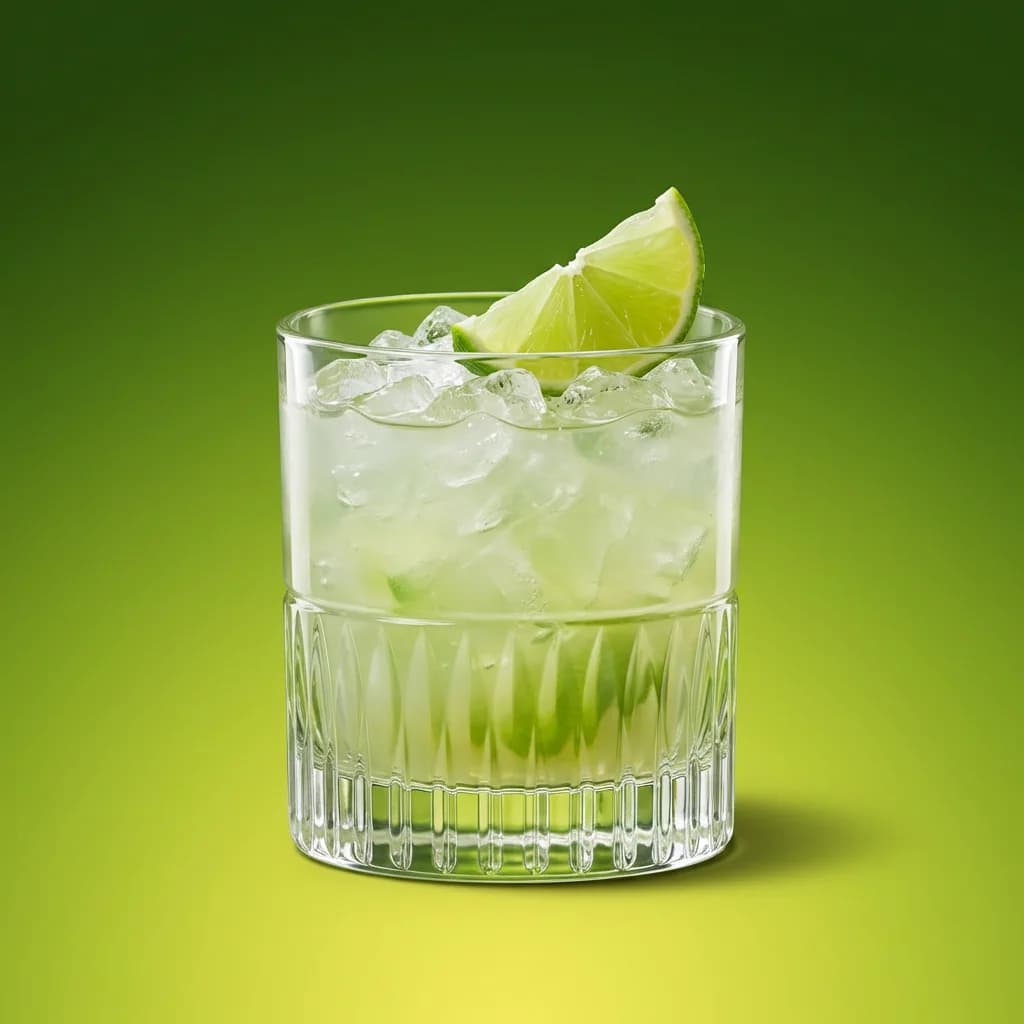
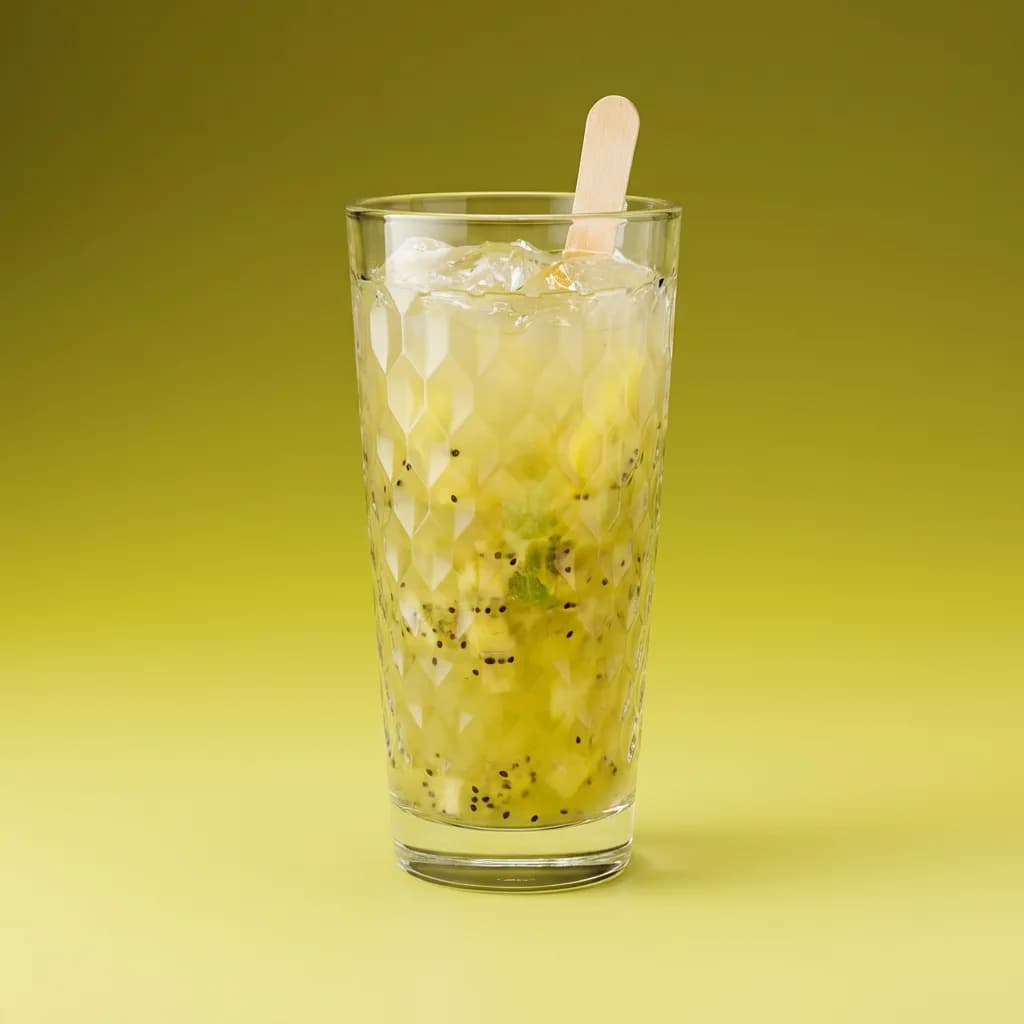
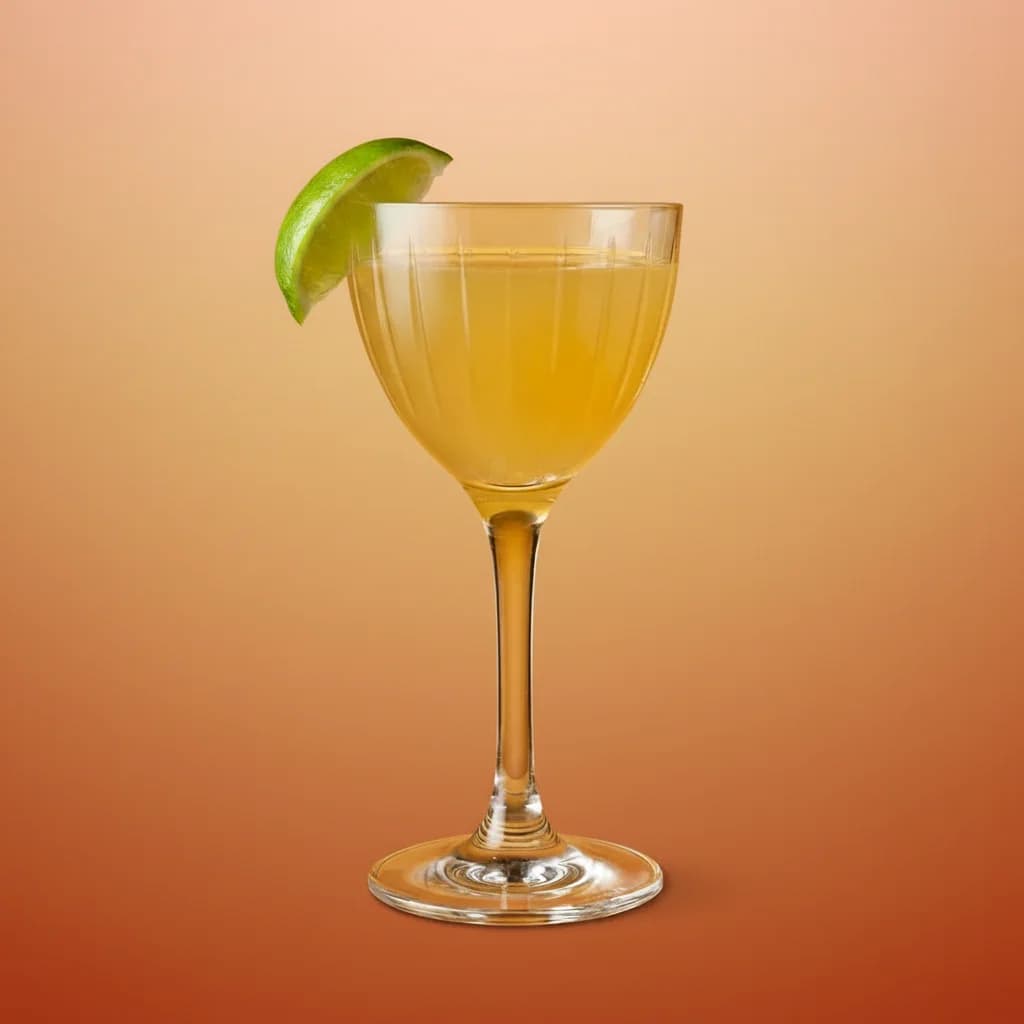
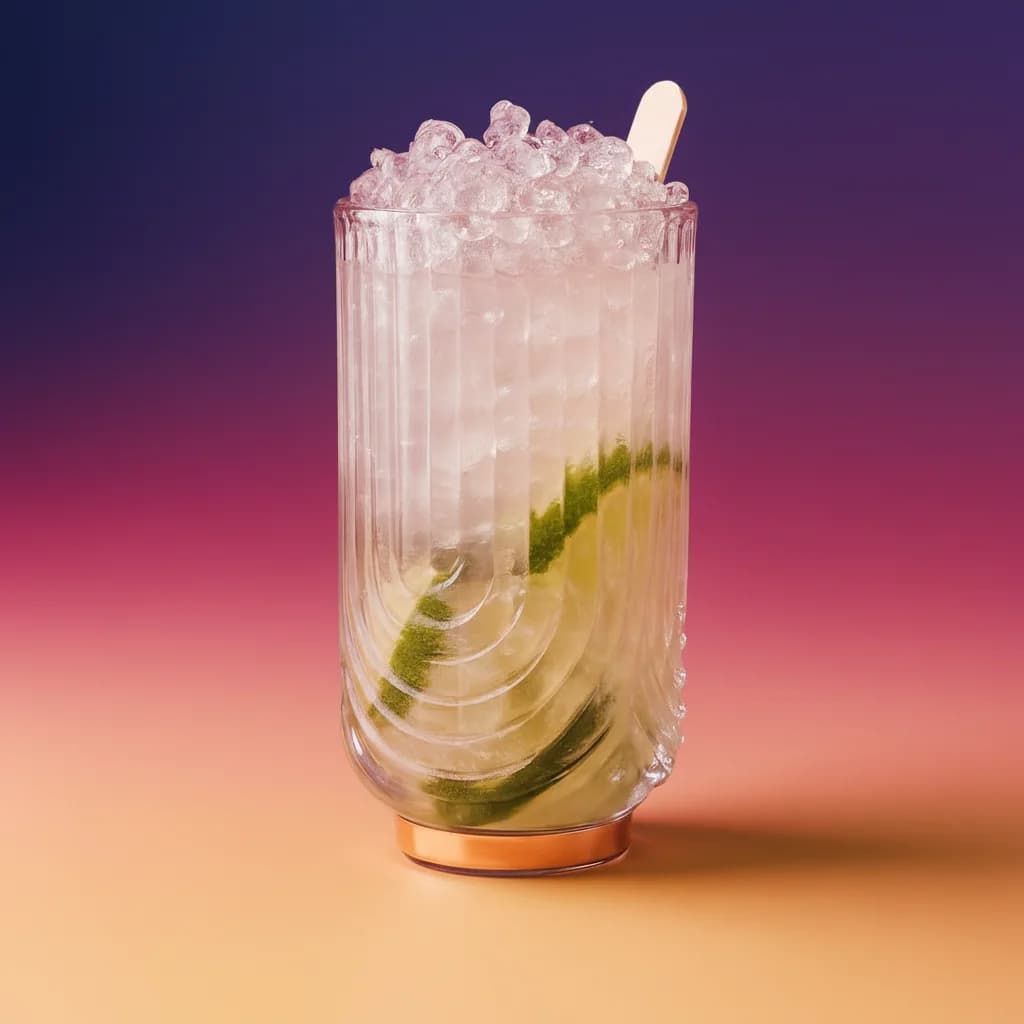
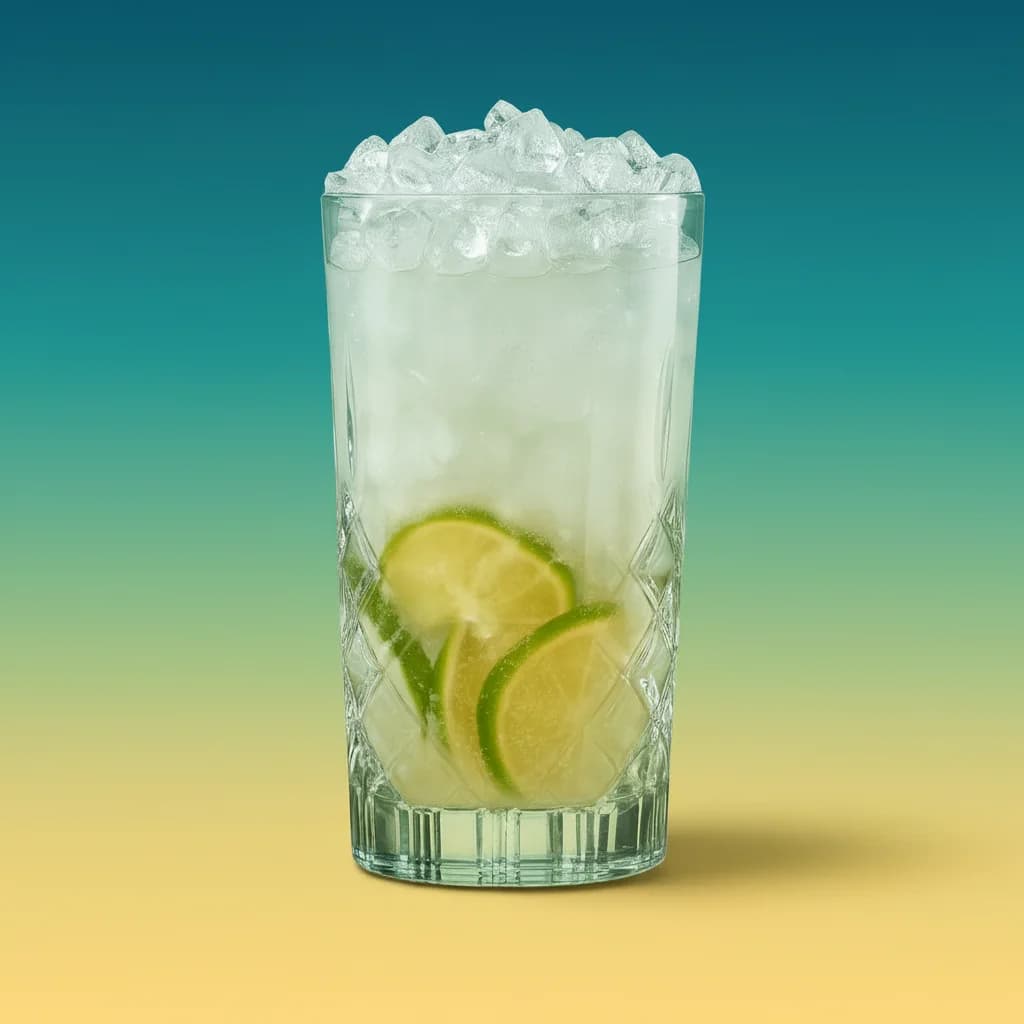
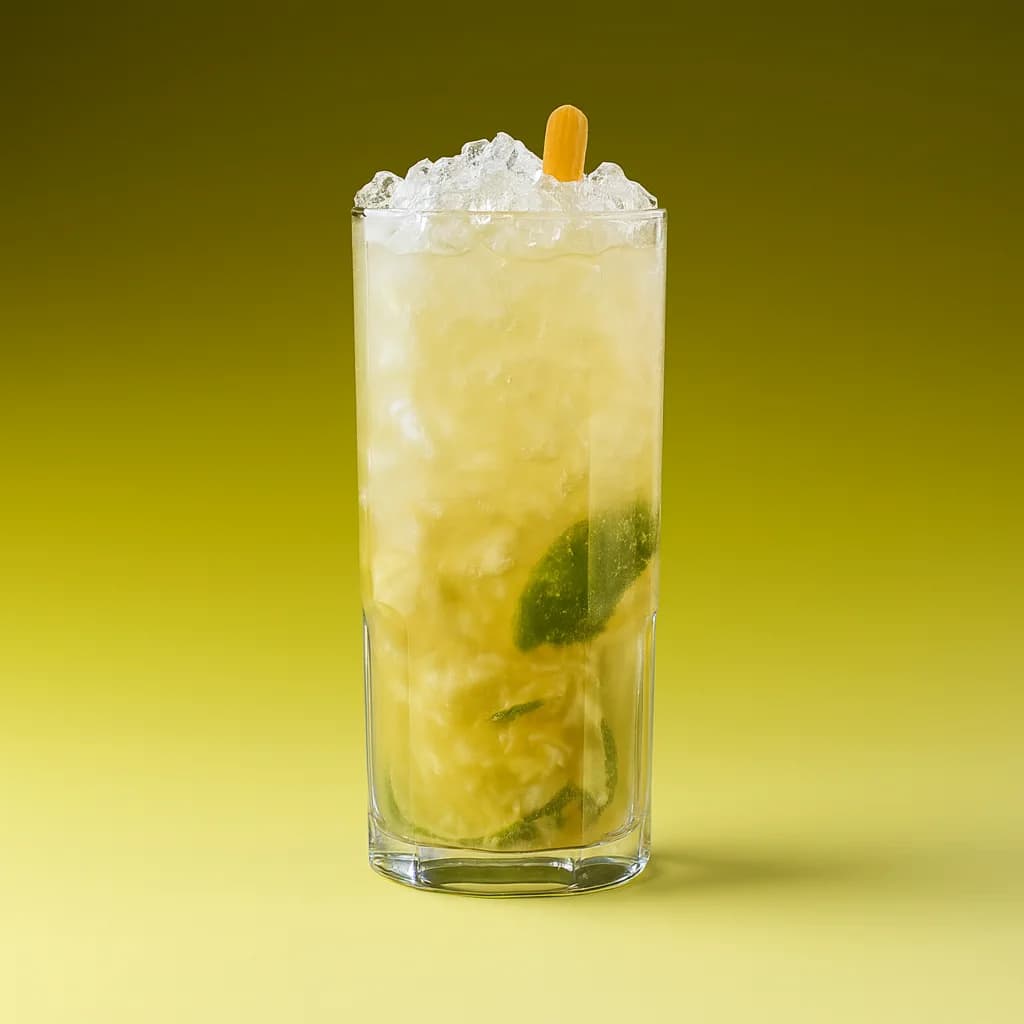
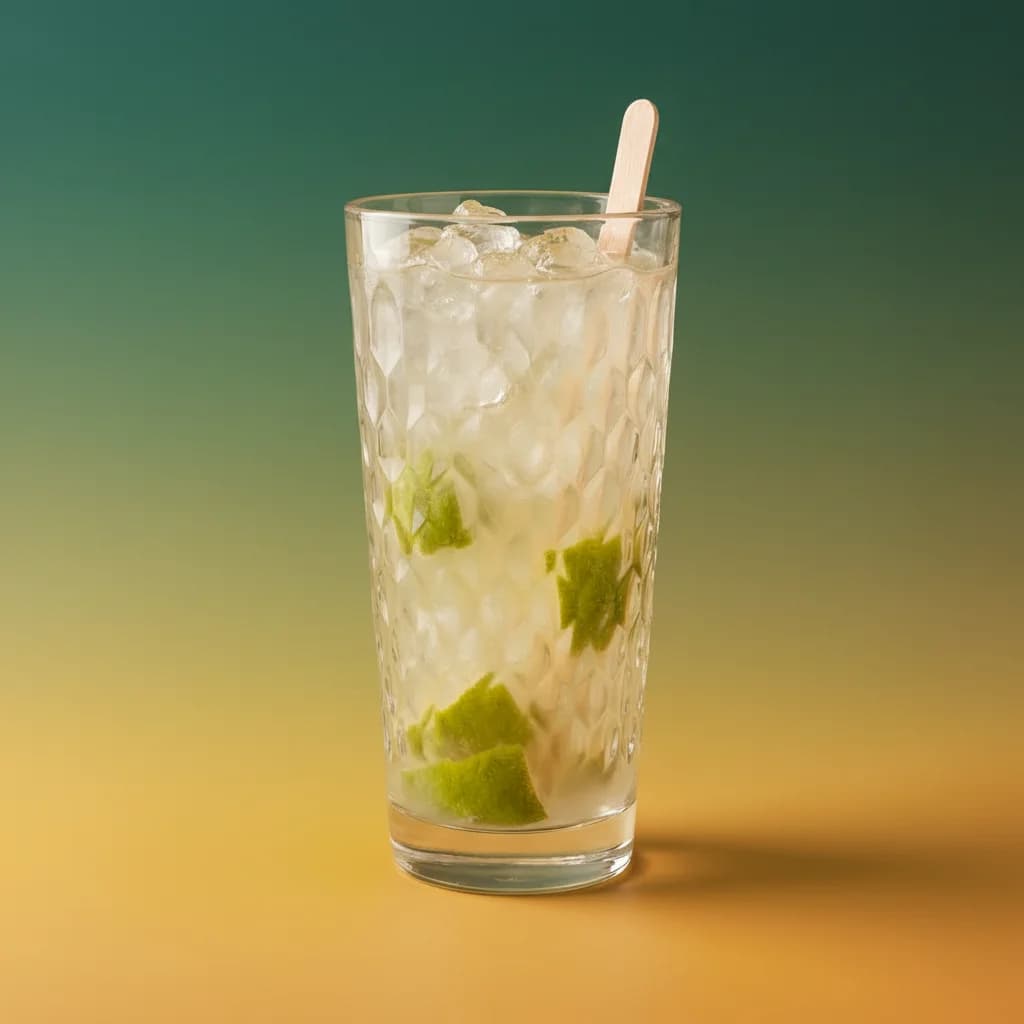
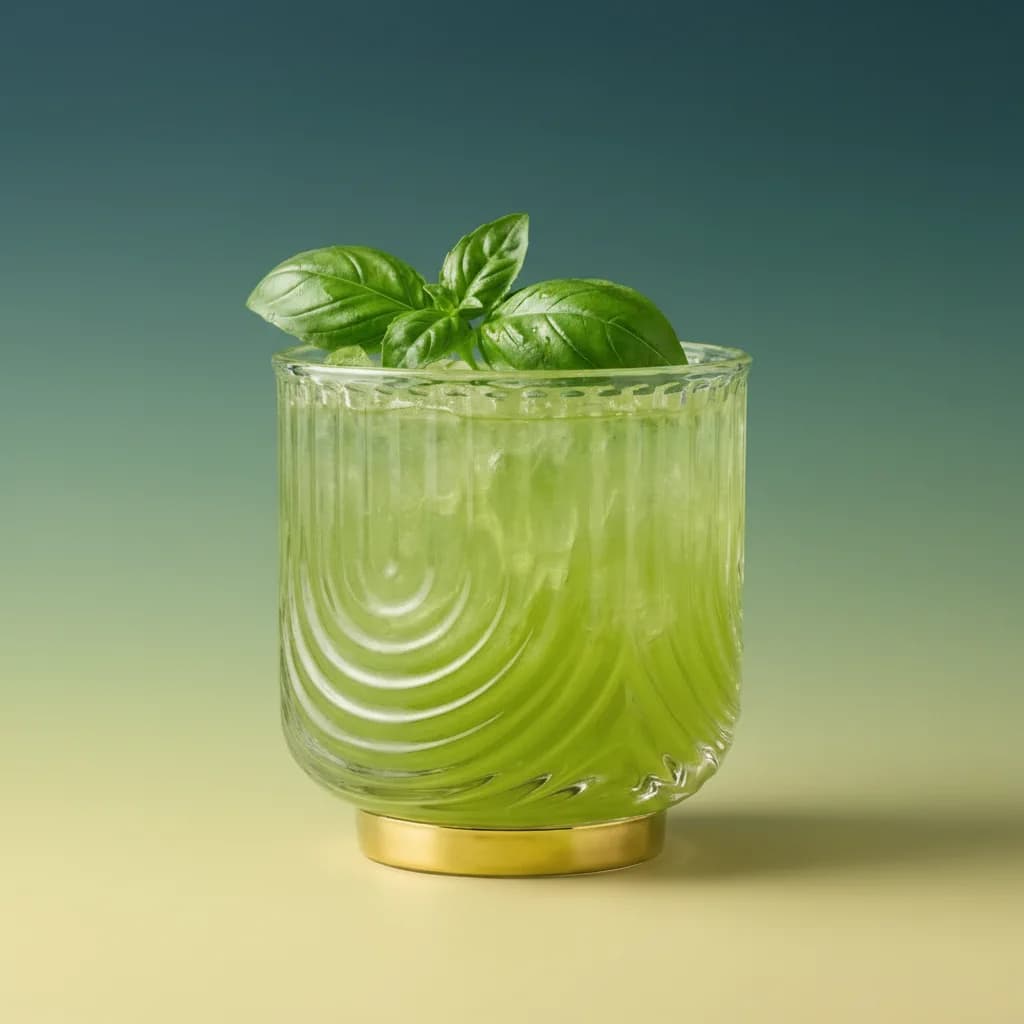
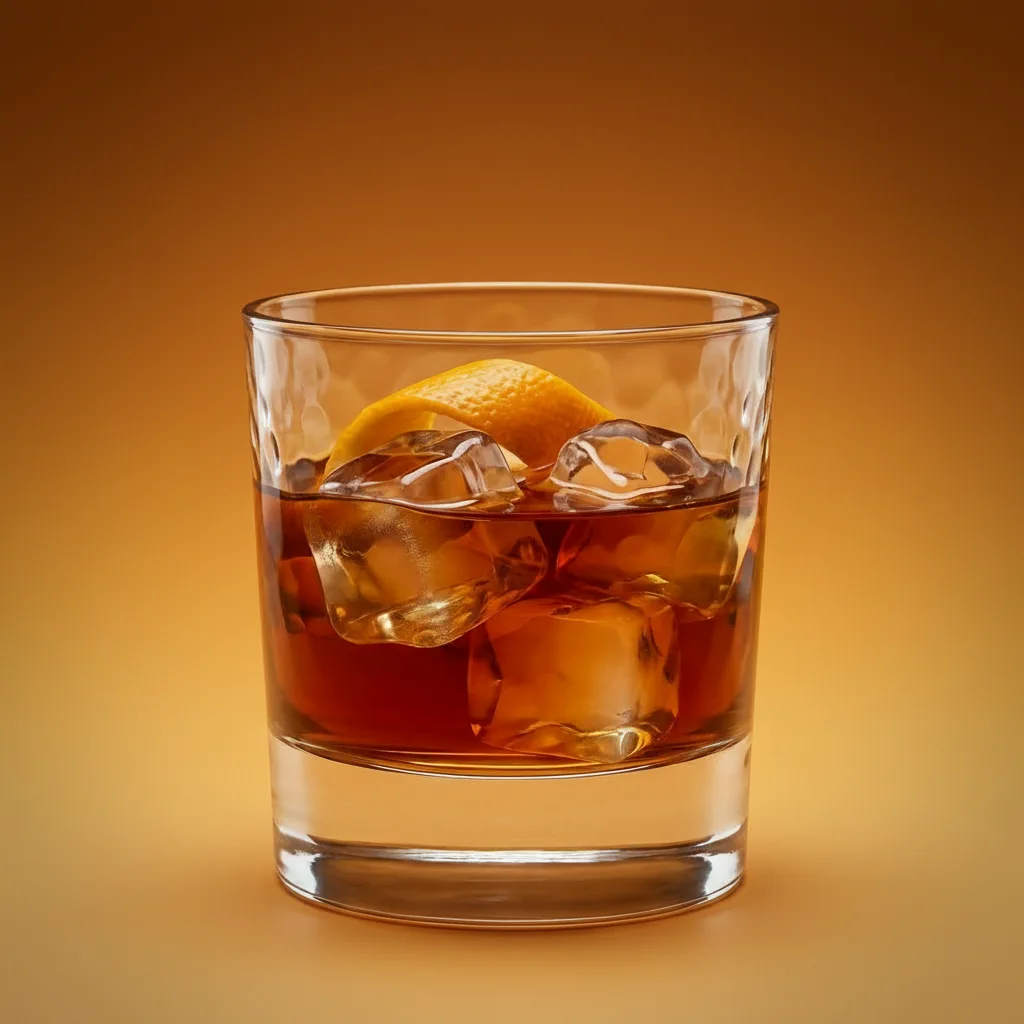
White cachaça is the base of the Caipirinha: lime wedges and sugar muddled in the glass, then cachaça and ice. Press the wedges gently, since crushed white pith turns the drink bitter. Unaged cachaça suits it best; barrel notes bury the lime. The same grassy freshness drives batidas, blended drinks of cachaça with fruit or condensed milk. The Rabo de Galo stirs cachaça with red vermouth, Manhattan-style. Aged bottles are more often sipped neat than mixed.
Substitutes for Cachaça
Rhum agricole blanc
The nearest swap and tastes a little sharper. Many are bottled at 50% or more, so pour a touch less.
Aguardente de cana
Works the same way, as some bottles run up to 54%. Start slightly under the measure and taste.
Light white rum
Will do, but the grassy note is lost.
On the label
- branca / prata (white)