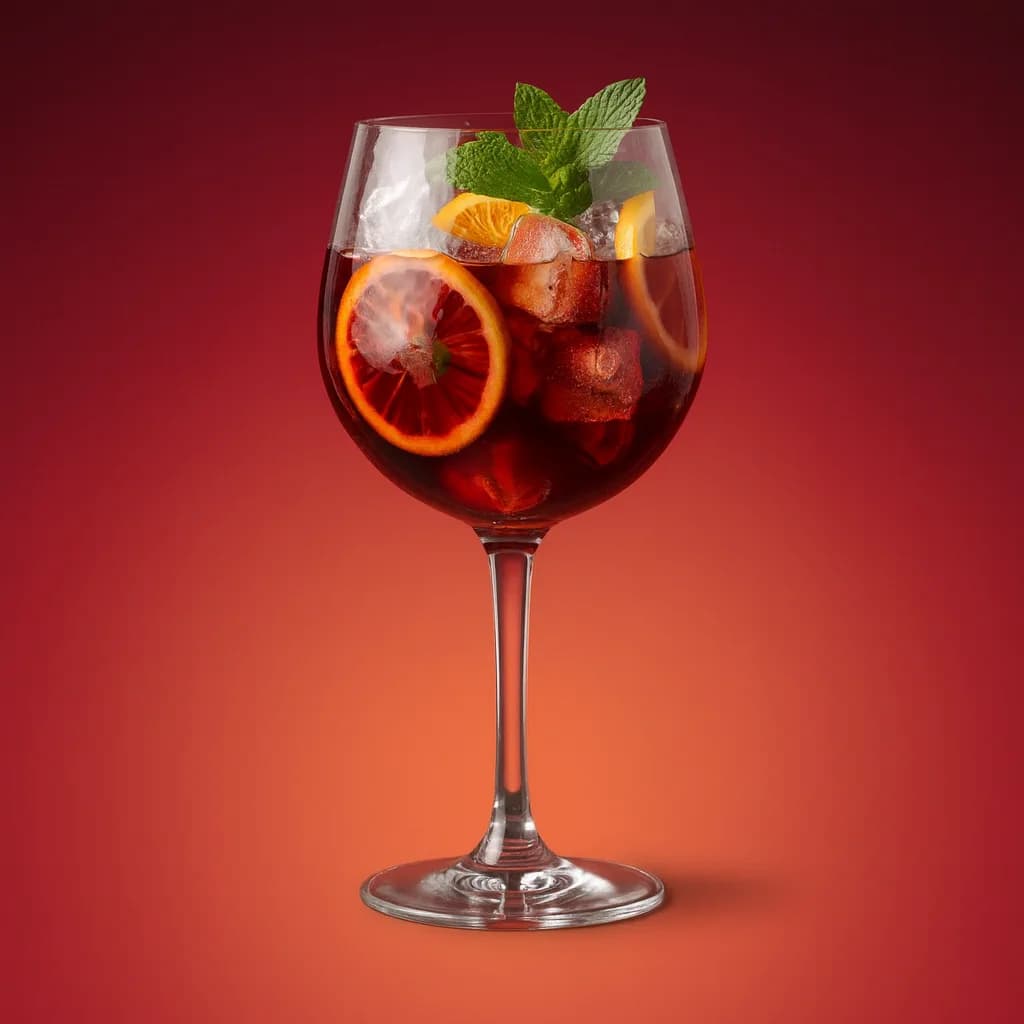
Mulled Wine
A spicy and sweet cocktail ∙ Warm up ∙ 4 min ∙ 11.1% ABV ∙
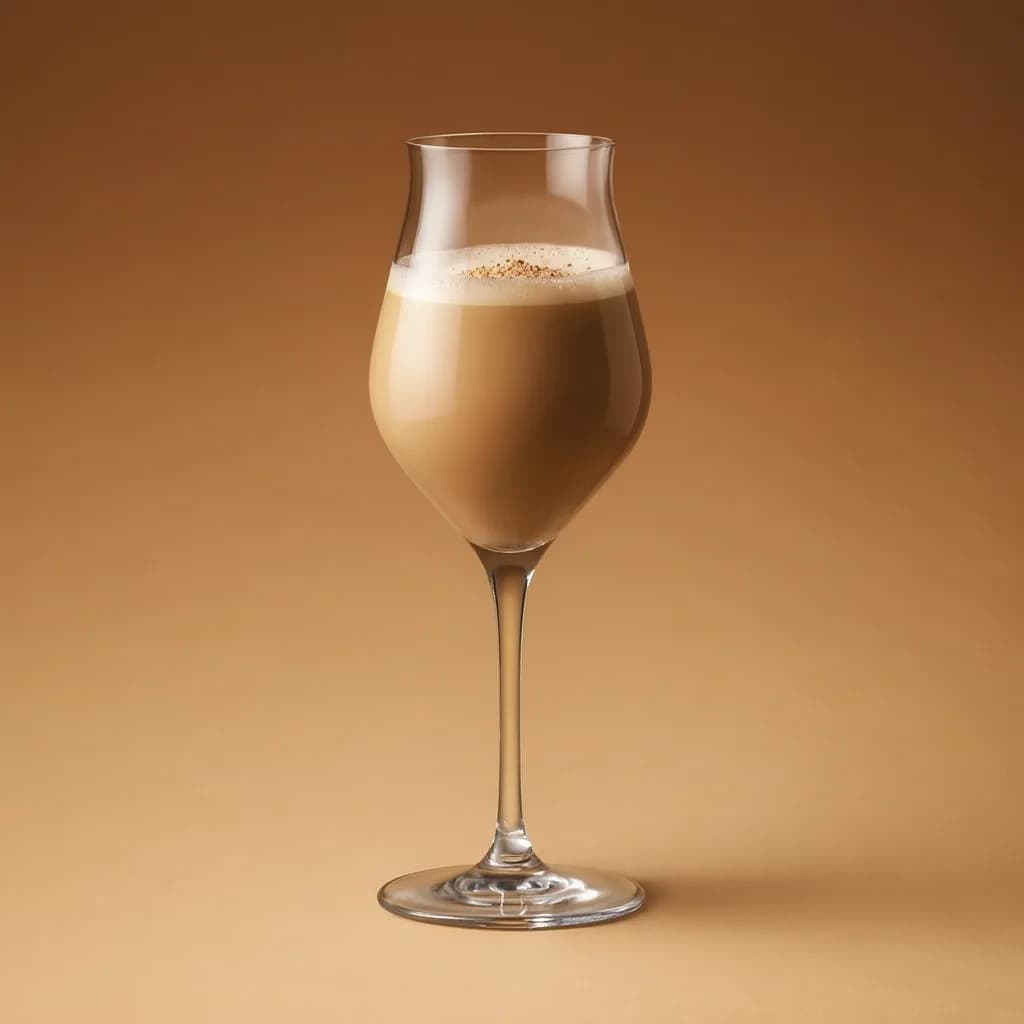
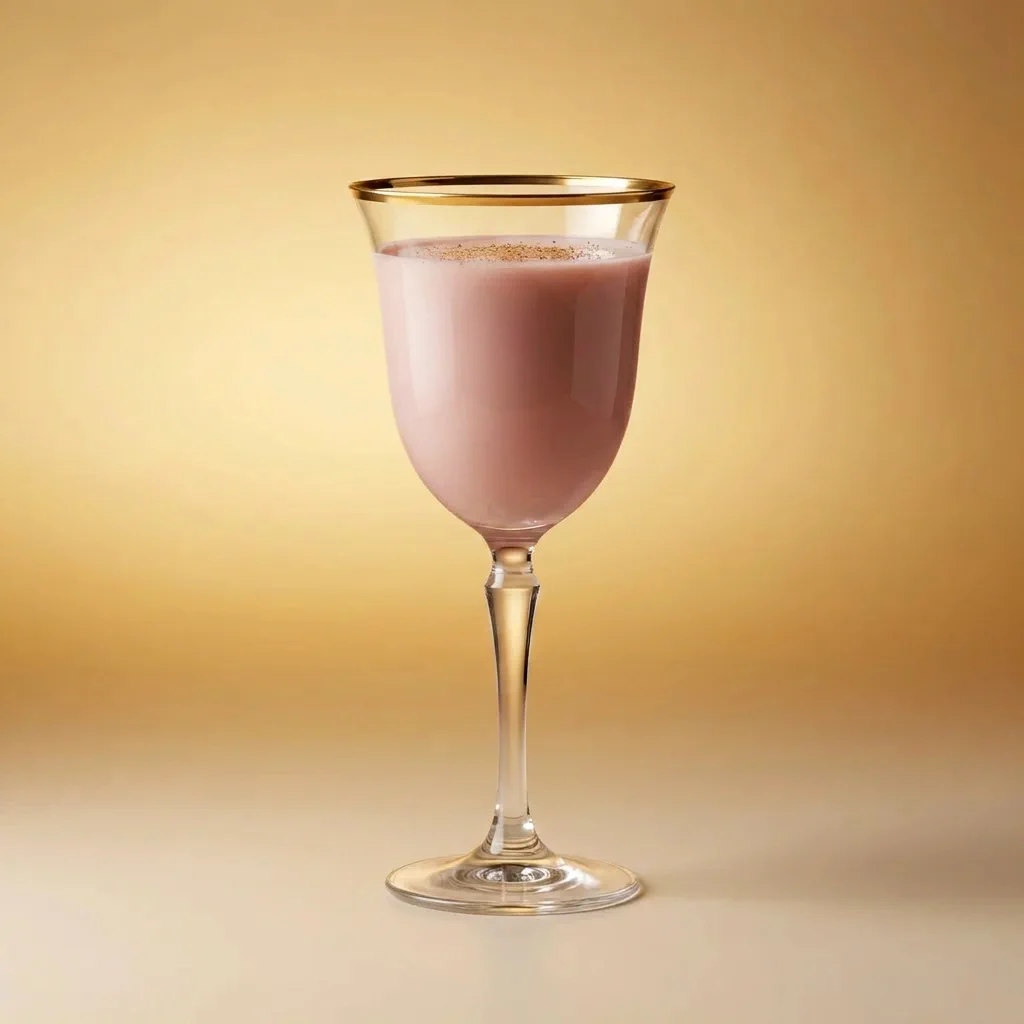
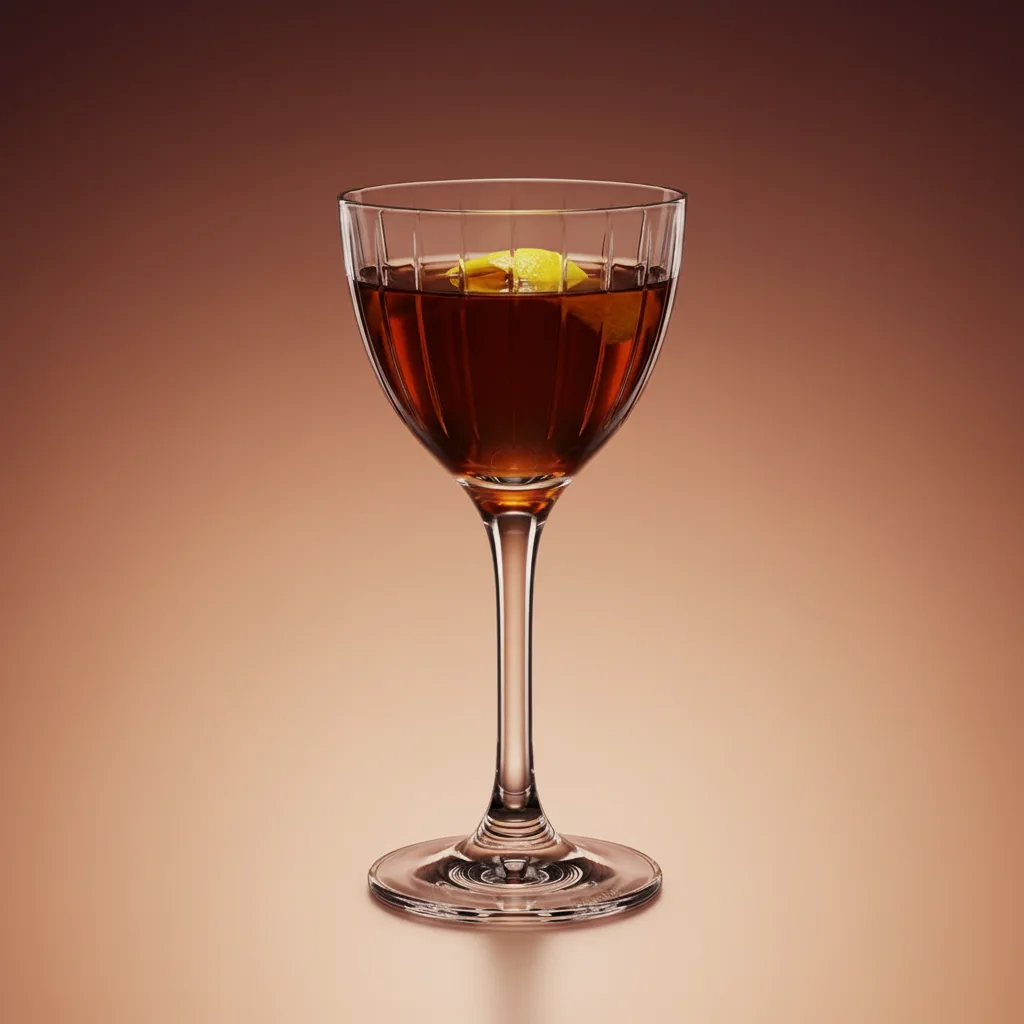
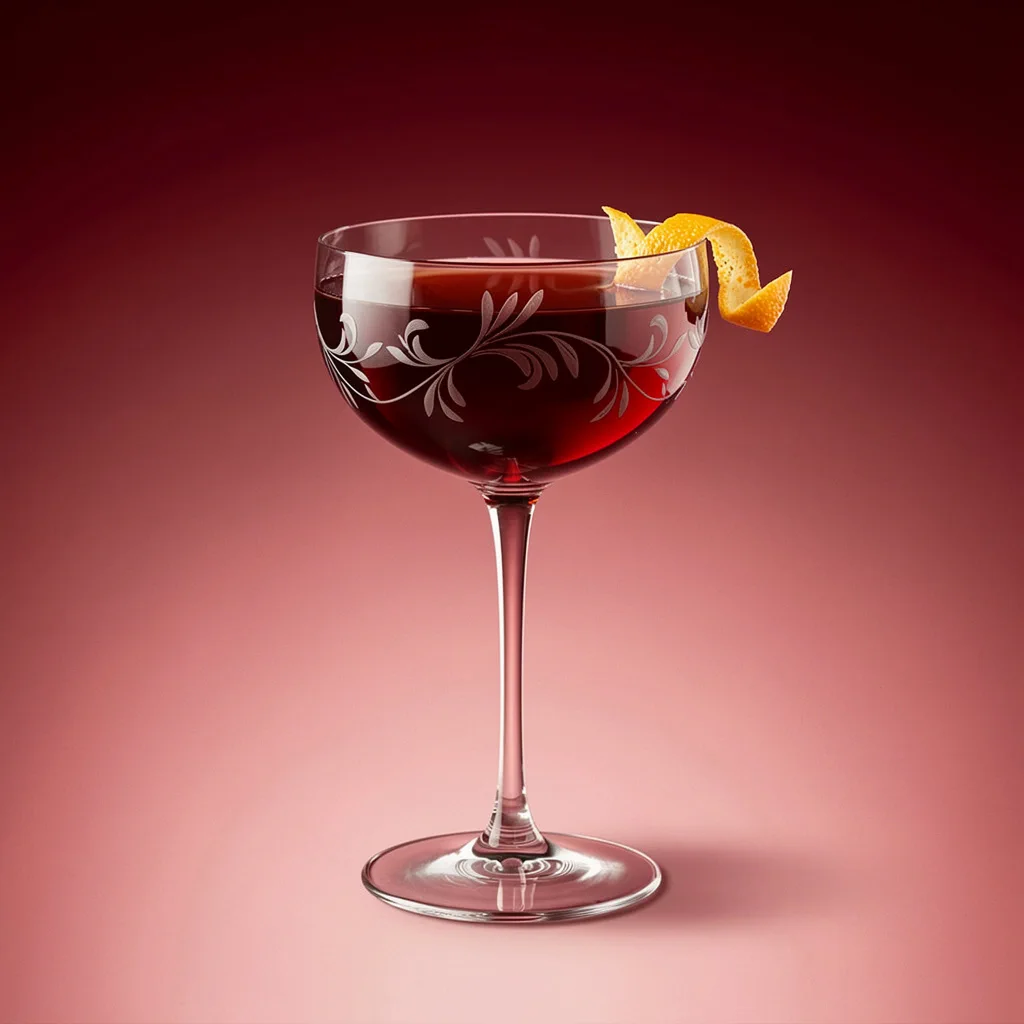
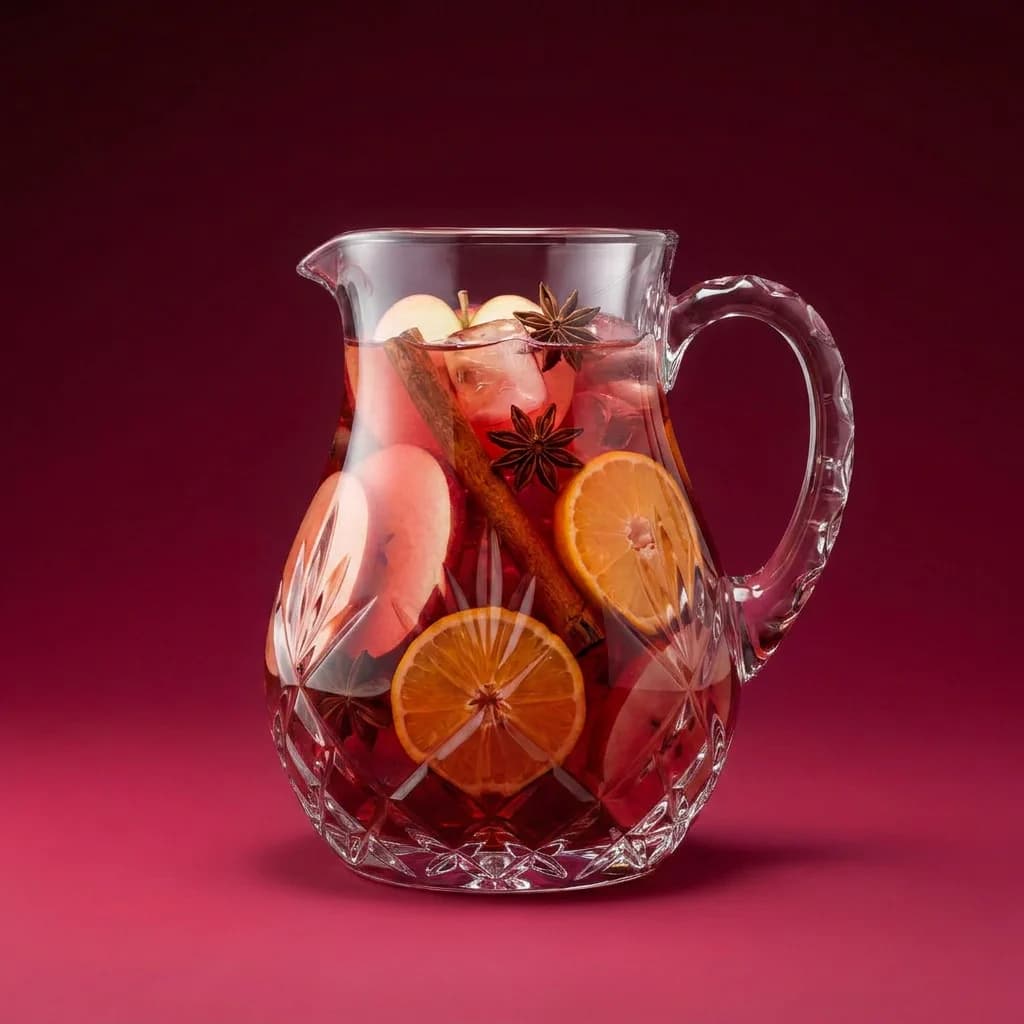
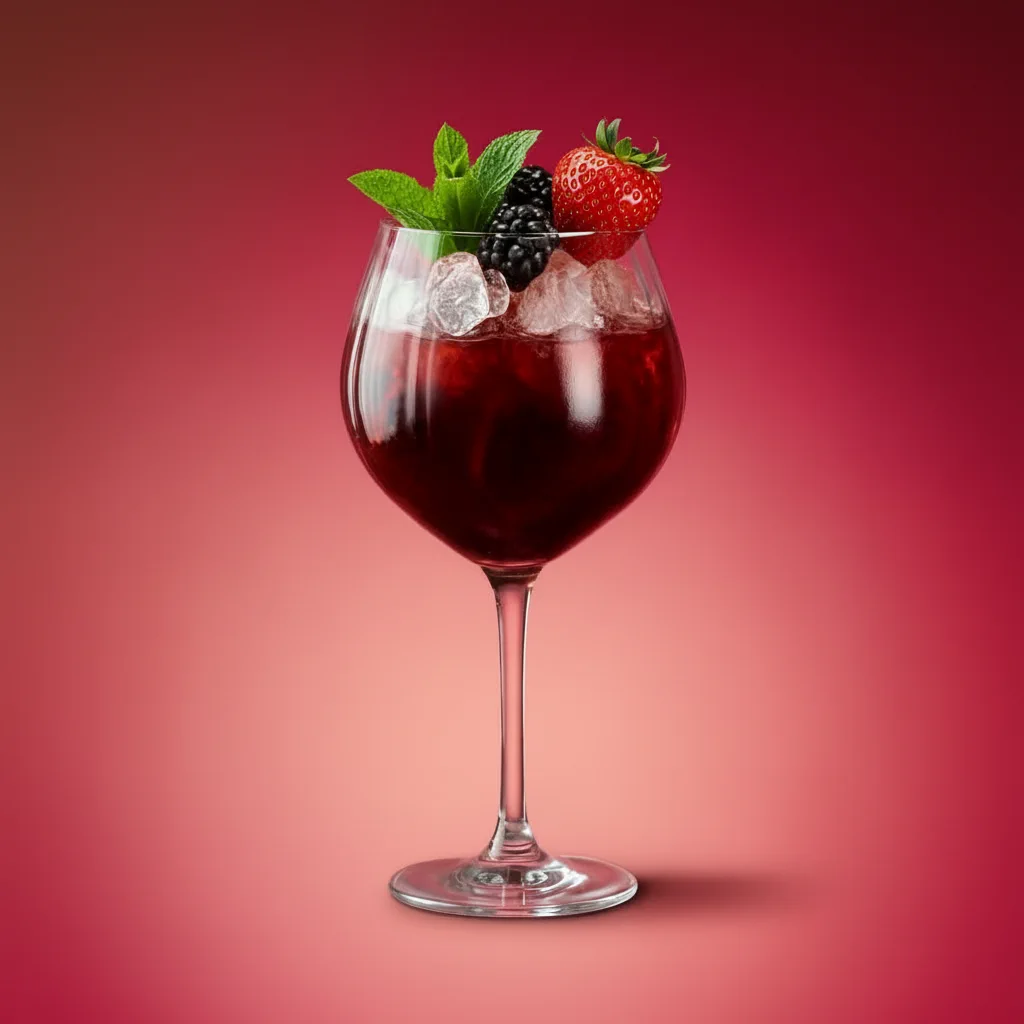
Mulled Wine is a warmed spiced drink of red wine and tawny port simmered with cloves, cinnamon, nutmeg, orange, and honey. Warm spice and clove lead, honey rounds the tartness of the wine, and a bright citrus edge keeps the finish from turning cloying.
Ingredients
1
Servings
Garnish
Instructions for 1 serving
- Pre-heat a toddy glass
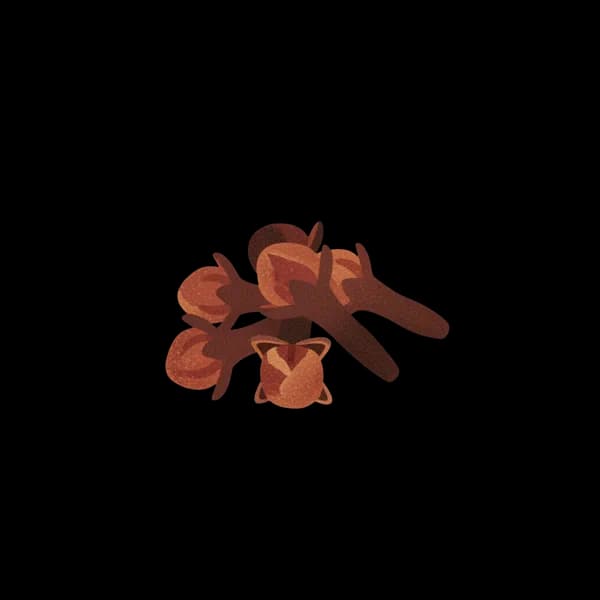
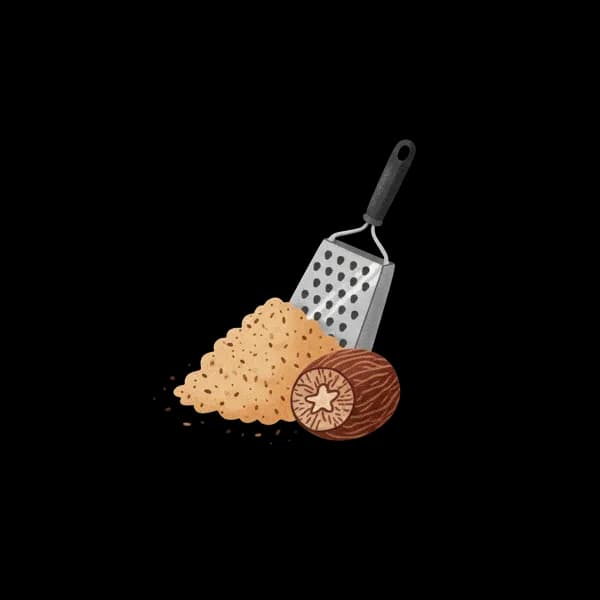
- Pour the ingredients into the prewarmed glass: Cloves 5 pcsFreshly grated nutmeg 1 pinchCinnamon powder 1 pinchTawny port 45 mlRed wine 45 mlOrange 1 wedgeLemon juice 15 mlHoney 3 bspCognac orange liqueur (e.g., Grand Marnier) 15 ml
- Stir
- Heat in the microwave oven for a minute
- Stir again
- Garnish with a cinnamon stick
Tips
- Grate the nutmeg fresh just before adding it; pre-ground nutmeg loses its aroma fast and reads flat against the cloves.
History
Mulled wine traces to ancient Rome, where a spiced, heated preparation called conditum paradoxum appears in the cookbook De re coquinaria, attributed to the Roman gourmet Apicius, combining wine with honey, pepper, dates, and other spices. As the Roman Empire expanded across Europe, the practice of heating and spicing wine spread to regions including modern France, Germany, and Britain, where local populations adapted it with native ingredients.
In medieval Europe the drink evolved into hippocras, a sweetened wine infused with cinnamon, cloves, ginger, and other imported spices, prized among the aristocracy who could afford such luxuries. Each region developed its own version and name: Glühwein in German-speaking countries, whose oldest documented tankard is linked to the German nobleman Count John IV of Katzenelnbogen around 1420; glögg in Scandinavia; vin chaud in France; and mulled wine in Britain, where it became associated with winter feasting and, later, Christmas tradition, popularized in part through Charles Dickens's depiction of the spiced-port drink Smoking Bishop in A Christmas Carol.
FAQ
What is in mulled wine?
Red wine and tawny port warmed with cloves, cinnamon, nutmeg, an orange wedge, lemon juice, and honey, finished with a splash of orange liqueur such as Grand Marnier. It is served hot in a toddy glass with a cinnamon stick garnish, and the port and orange liqueur add depth and warmth alongside the classic spice mix.
What alcohol goes with mulled wine?
A fortified wine such as tawny port pairs naturally with mulled wine, deepening its sweetness and warmth, and a splash of an orange-flavored brandy liqueur like Grand Marnier adds richness on top, as this recipe does.
How do you jazz up a bottle of mulled wine?
Add a splash of tawny port and orange liqueur to deepen a plain heated bottle, then warm everything together in a prewarmed toddy glass rather than just heating wine alone.
What is the secret to a good mulled wine?
Balance is the secret: enough honey and citrus to offset the wine's tannins without masking the spice. Warm the wine gently instead of boiling it, since boiling drives off the aromatic spice oils and burns off more alcohol than a gentle heat does.
What are some common mulled wine mistakes?
The most common mistake is boiling the wine, which flattens the spice aroma and strips out too much alcohol. Over-steeping cheap pre-ground spices instead of fresh cloves, cinnamon, and grated nutmeg is another, along with skipping the citrus and honey that balance the wine's tannin and acidity.
Does all the alcohol burn off in mulled wine?
No, gentle warming does not remove all the alcohol; this recipe finishes at about 11.1% ABV, similar to a glass of table wine. Only prolonged boiling drives off a significant share of the alcohol, which is also why this build calls for warming rather than boiling.