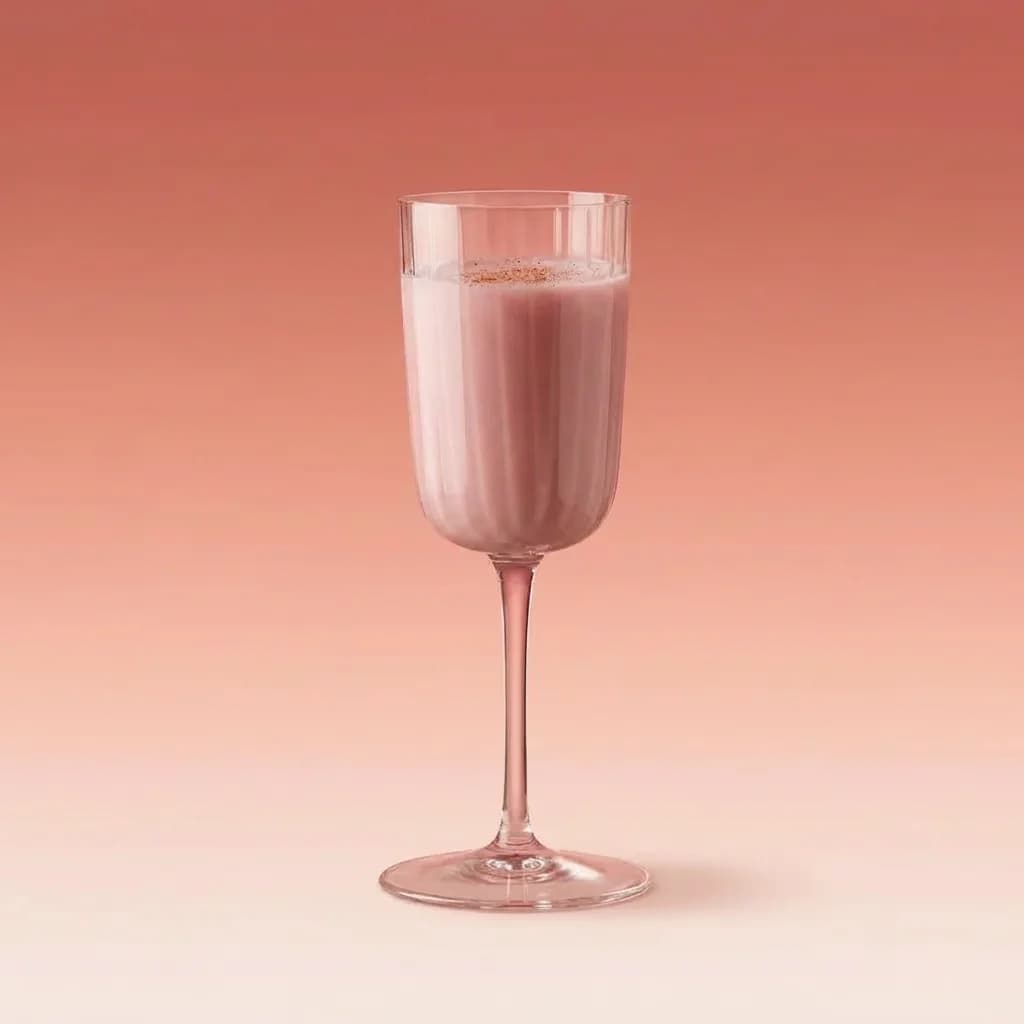
Cocktails with Egg yolk
Egg yolk is the yellow, fat- and protein-rich part of the egg, used in cocktails for a rich, creamy body.
Substitutes for Egg yolk
You are buying emulsification and weight, not flavor. Anything that thickens without emulsifying gives a drink that separates, and the safety question is answered by the pasteurized version rather than by any substitute.
Often confused with
Egg white
Foam without richness, and the opposite trade; a sour made with yolk is a different drink, not a variation on the same one.
Pasteurized egg products
Heated enough to be safe and not enough to cook. The documented loss is in egg white, whose foaming falls off sharply with pasteurization; nothing comparable is established for yolk emulsification, so a yolk drink should behave much as before. On volume and on safety they remain the sensible choice.
Description
The yolk emulsifies through its phospholipids and its low-density lipoproteins together — the lipoproteins carry both protein and phospholipid to the boundary between fat and water and anchor there. That is why a flip holds together and a drink made with cream alone separates. Naming lecithin alone, as most accounts do, credits half the mechanism.