Cocktails with Kirschwasser
Kirschwasser is a clear cherry brandy — an eau-de-vie — distilled from whole fermented cherries, stones and all, and bottled without sugar or wood.
ABV40–45%With the occasional Swiss bottling higher. EU law puts the floor for a fruit spirit at 37.5% and allows a small rounding dose of sugar, up to 18 g/l; quality bottlings use none of that allowance and taste bone dry.
Substitutes for Kirschwasser
Where kirsch is an accent — a barspoon floated on a drink, a dash for aroma — another unsweetened stone-fruit eau-de-vie will stand in and simply change the fruit: plum, mirabelle, apricot. Where the drink is built on it, as the Rose is, nothing else will do. What never works is reaching for a sweet cherry bottle instead: the sugar alone pushes a balanced drink into syrup.
Often confused with
Maraschino / sweet cherry liqueur
Both take their almond note from cherry stones: maraschino is distilled from marasca cherries infused with their stems and leaves, kirsch from whatever cherry the distiller has, crushed stones and all. The difference is what happens afterwards — maraschino is sweetened into a liqueur at around 32%, kirsch is bottled dry at 40–45%. Replacing maraschino with kirsch removes the sugar and raises the strength, so the sugar has to be added back with syrup: half a barspoon at a time, tasting as you go.
Description
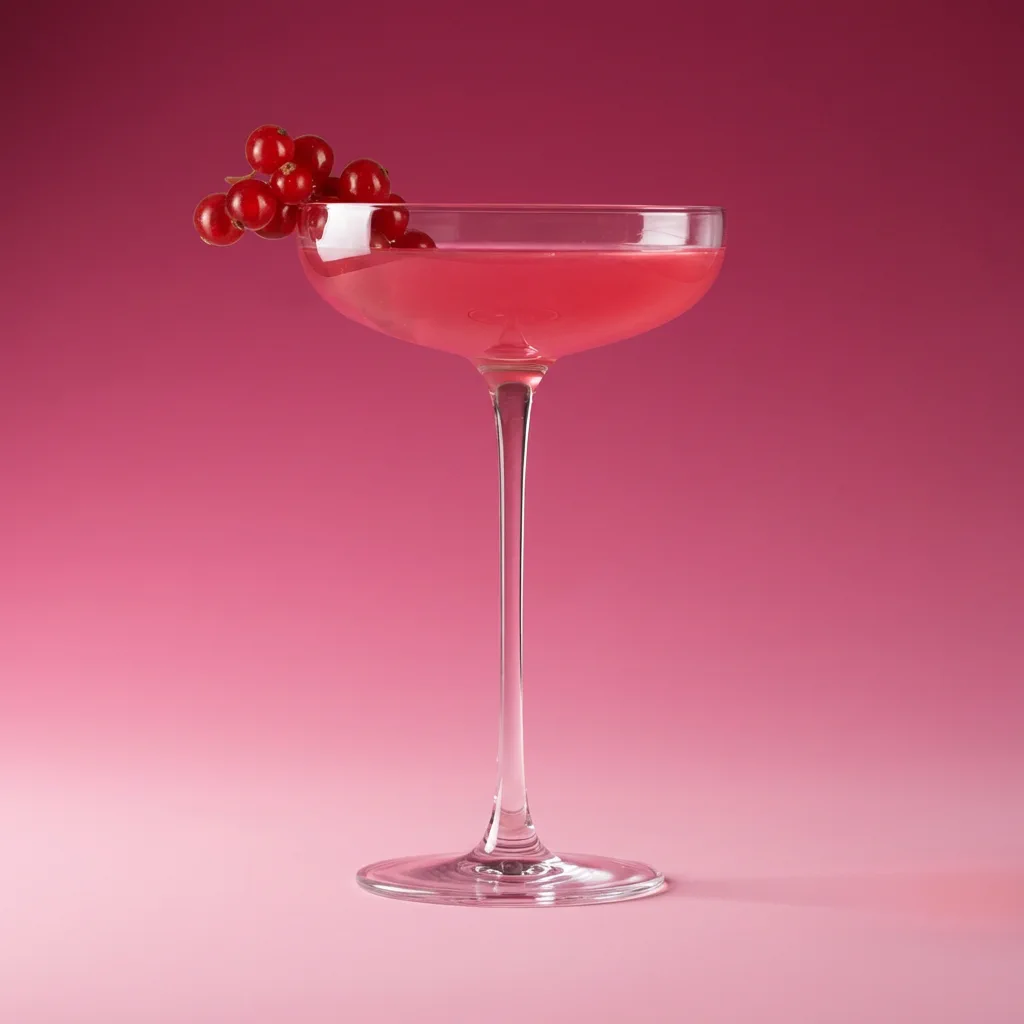
The cherries go into the ferment crushed, stones included, and it is the stones that give the glass its bitter-almond edge rather than the fruit itself. Nothing goes into wood: kirsch rests in glass or steel, because oak would smother a cherry aroma this delicate. The drink it belongs to is the Rose — dry vermouth and kirsch, poured at the Chatham Bar in Paris around 1919, two parts to one with a dash of raspberry syrup, redcurrant in many later versions. David Embury, whose 1948 Fine Art of Mixing Drinks remains an opinionated foundational text, argued for the reverse proportions: three or four parts kirsch to one of vermouth, which gives a drier and far more aromatic drink.