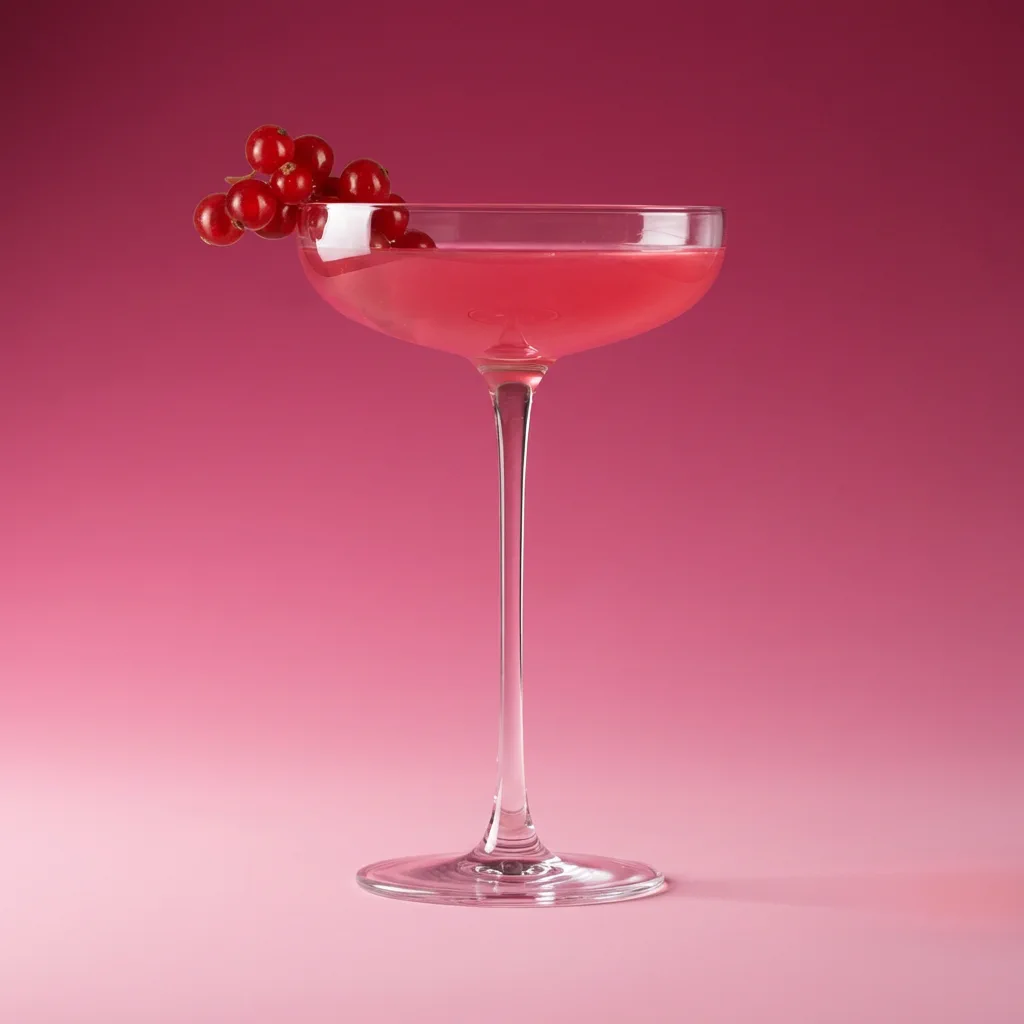
Nineteen Twenty
A berry and bitter fortified wine cocktail ∙ Stir ∙ 3 min ∙ 20.5% ABV ∙
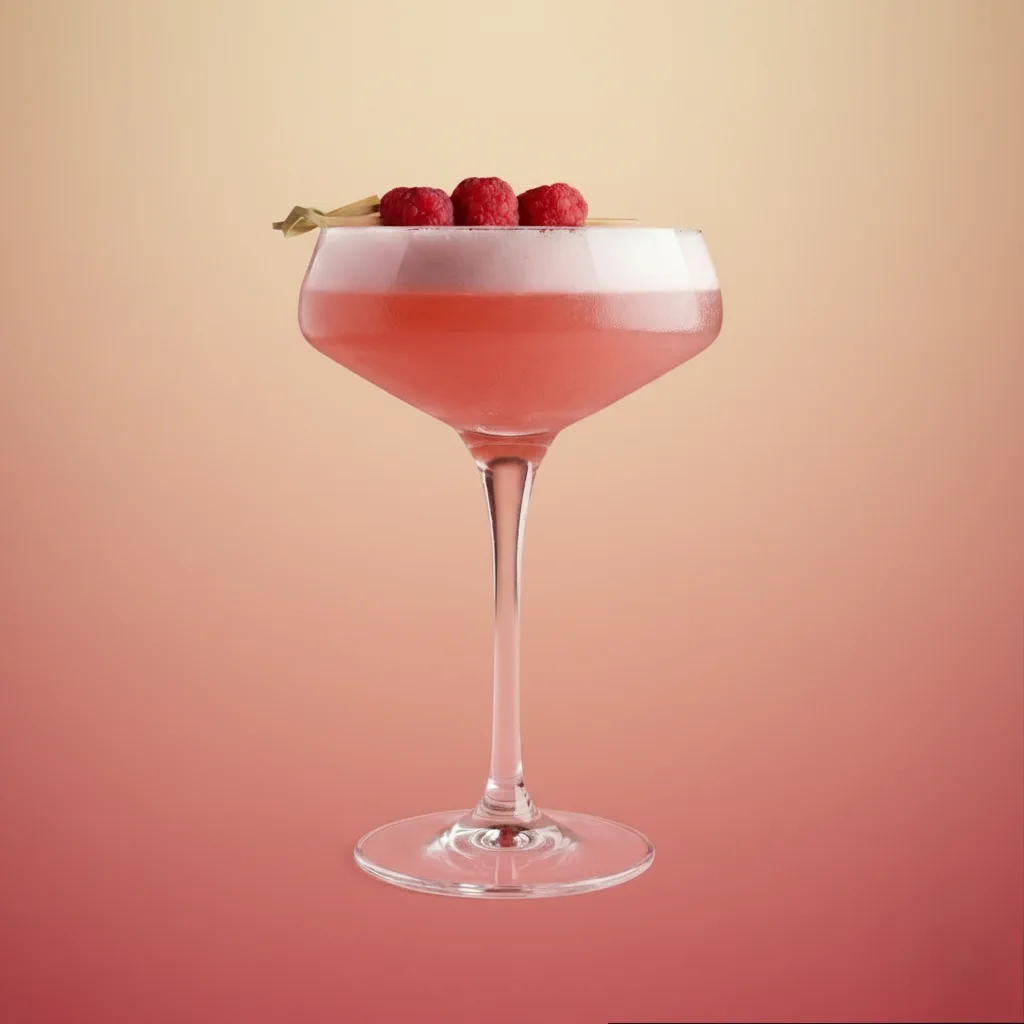
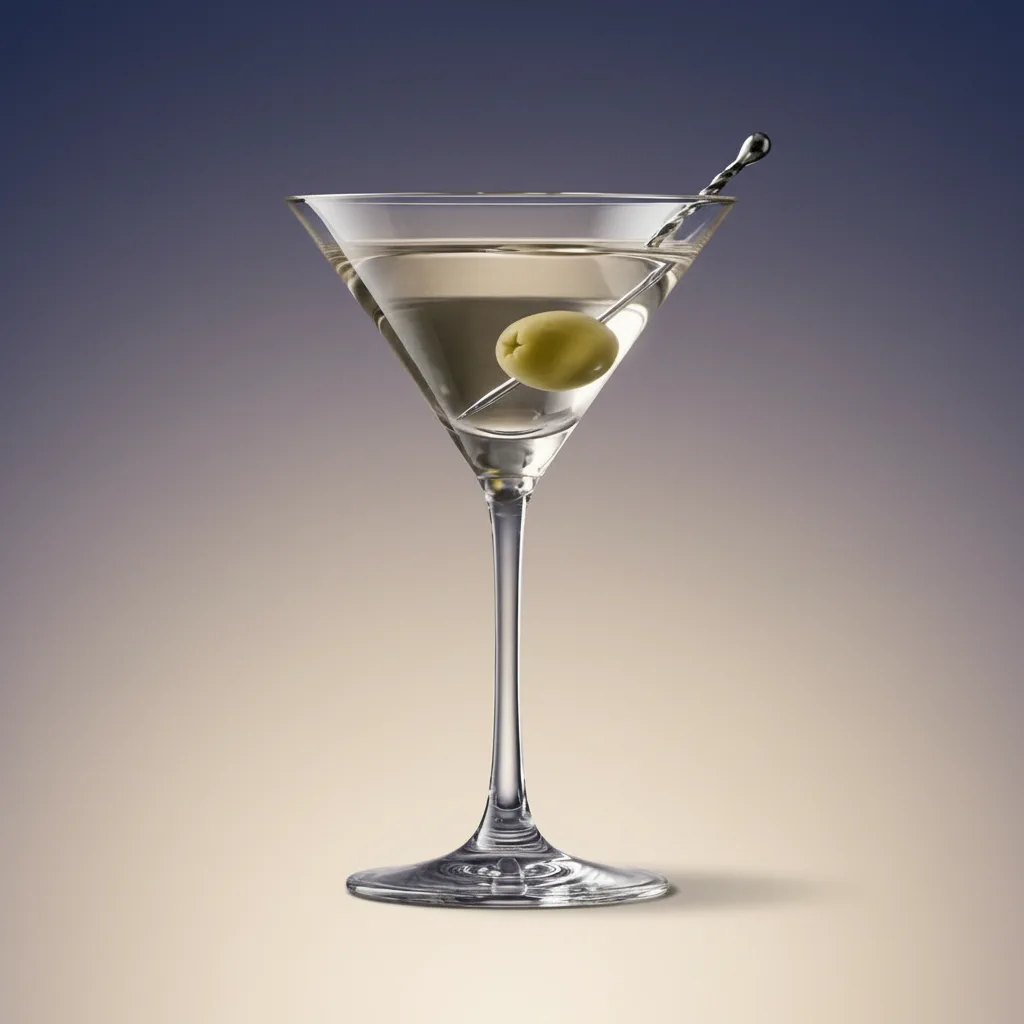
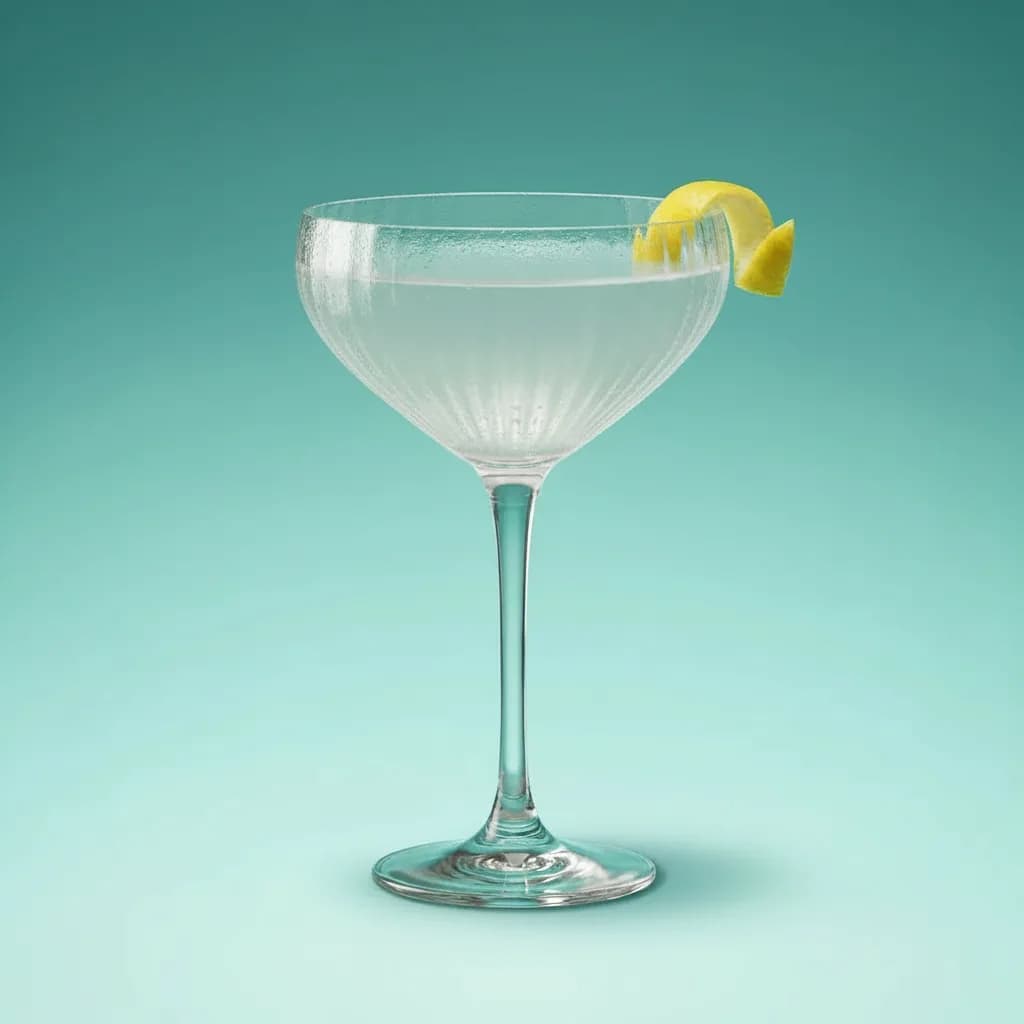
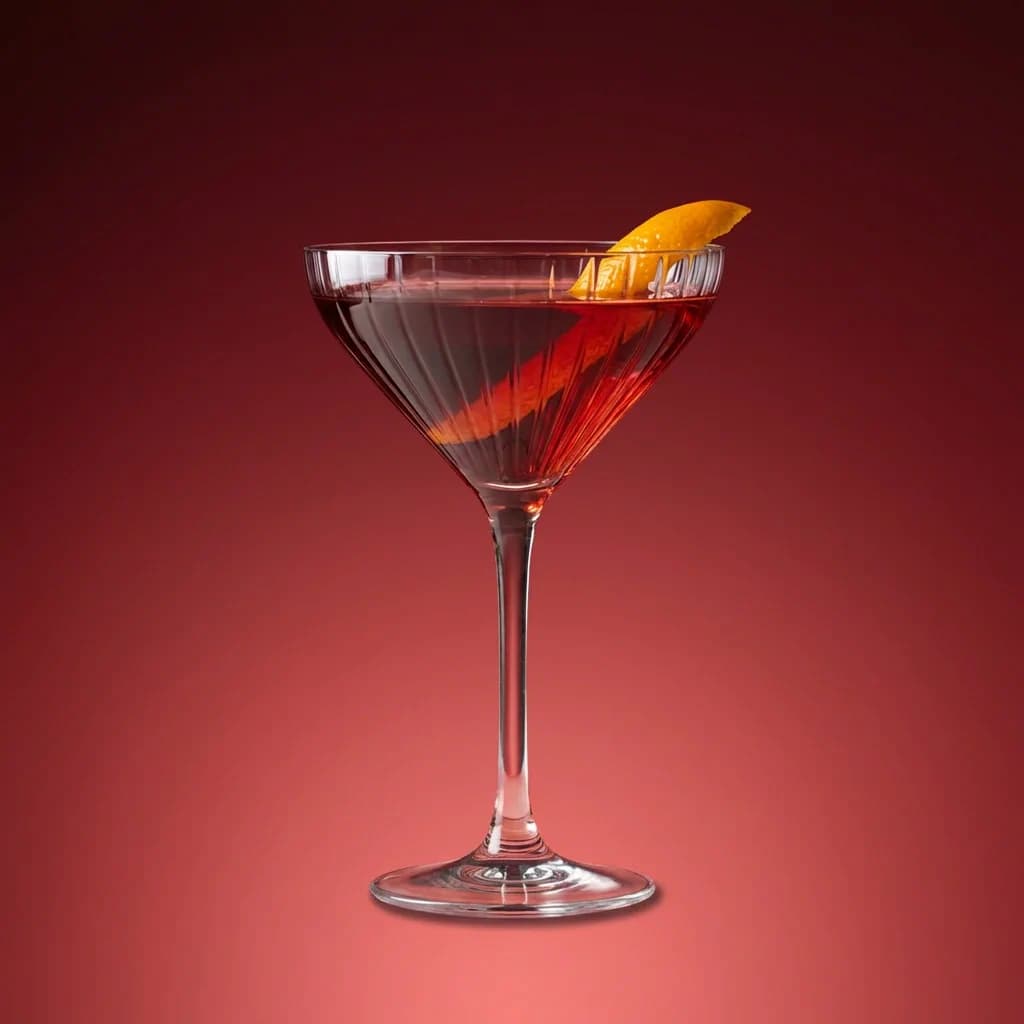
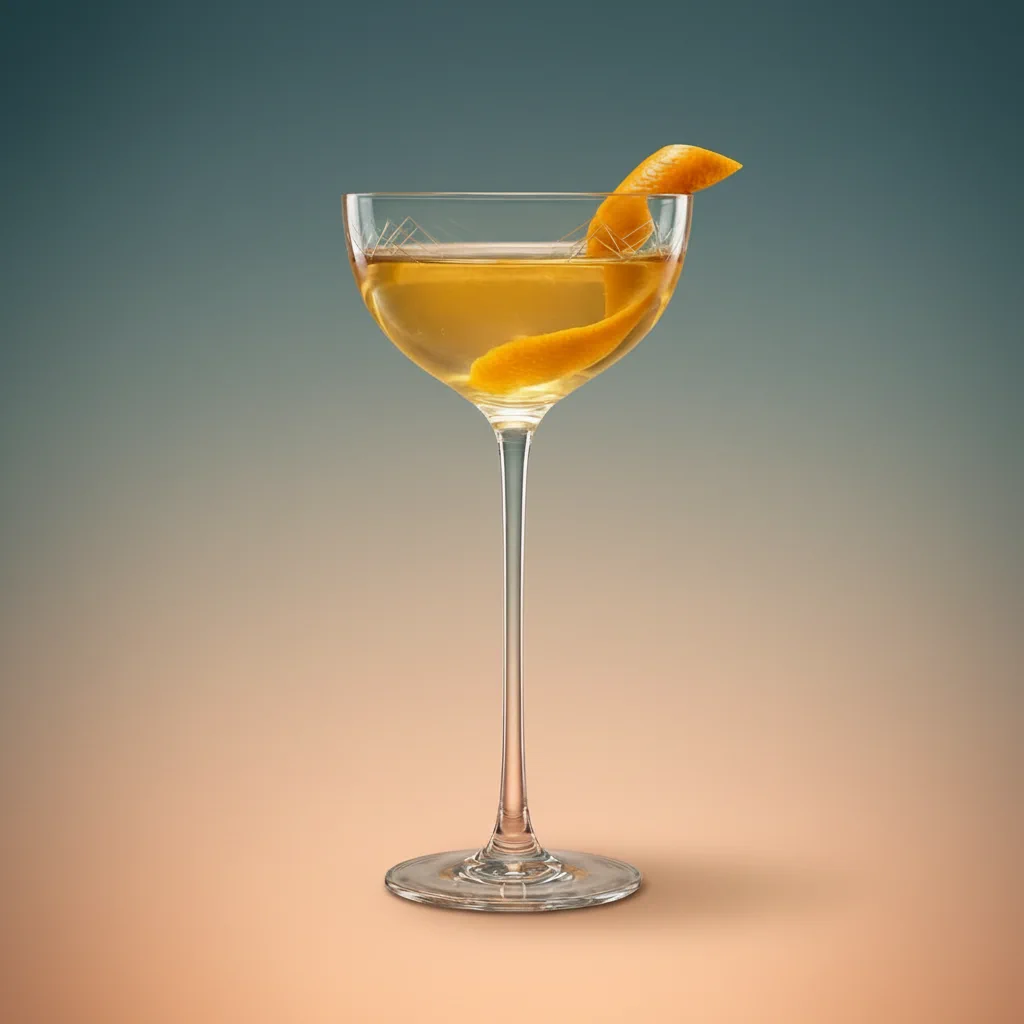
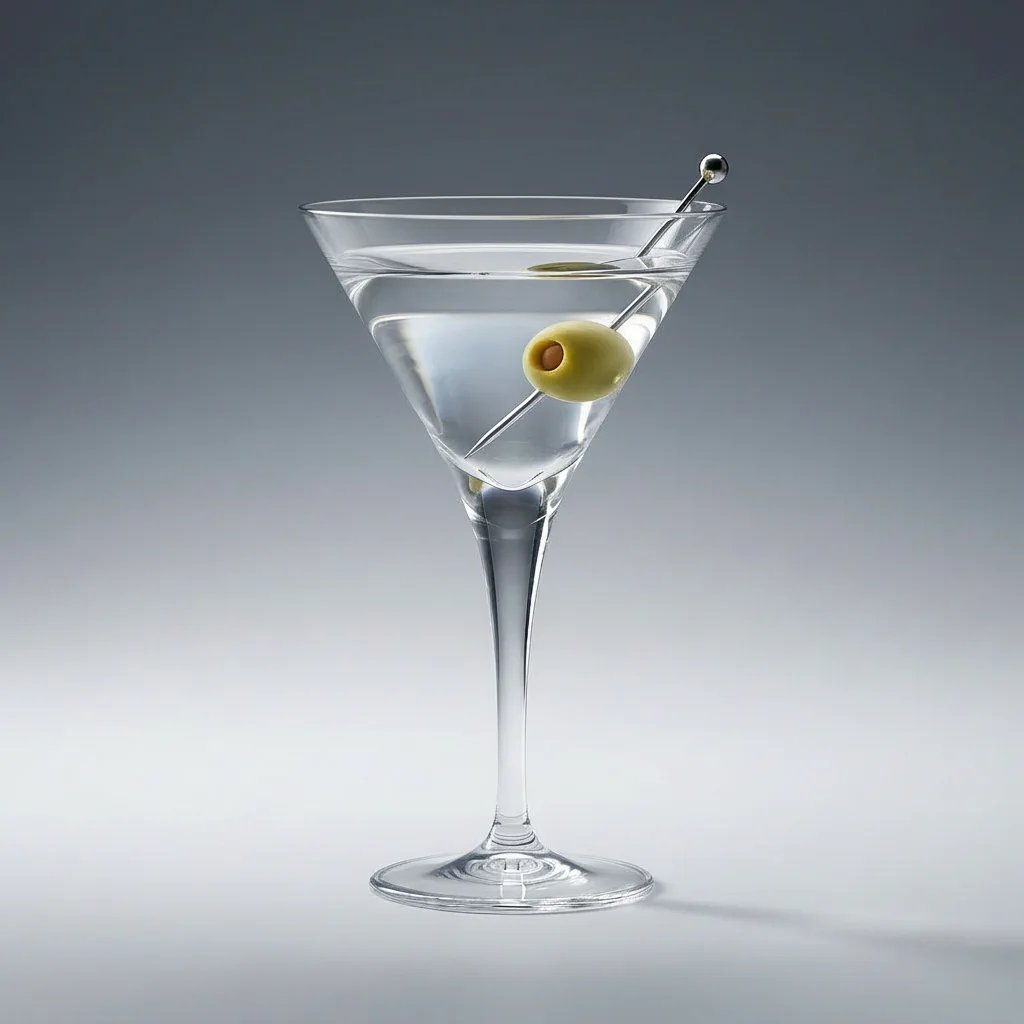
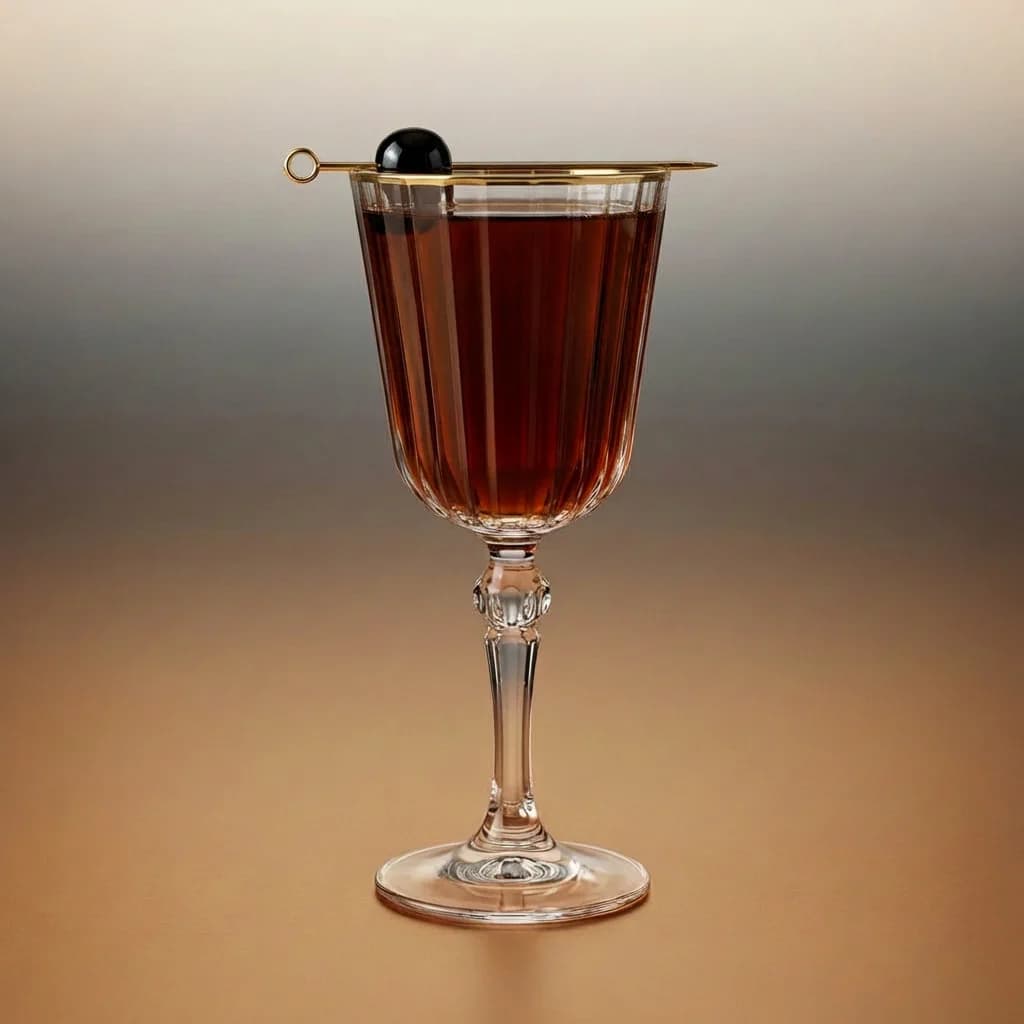
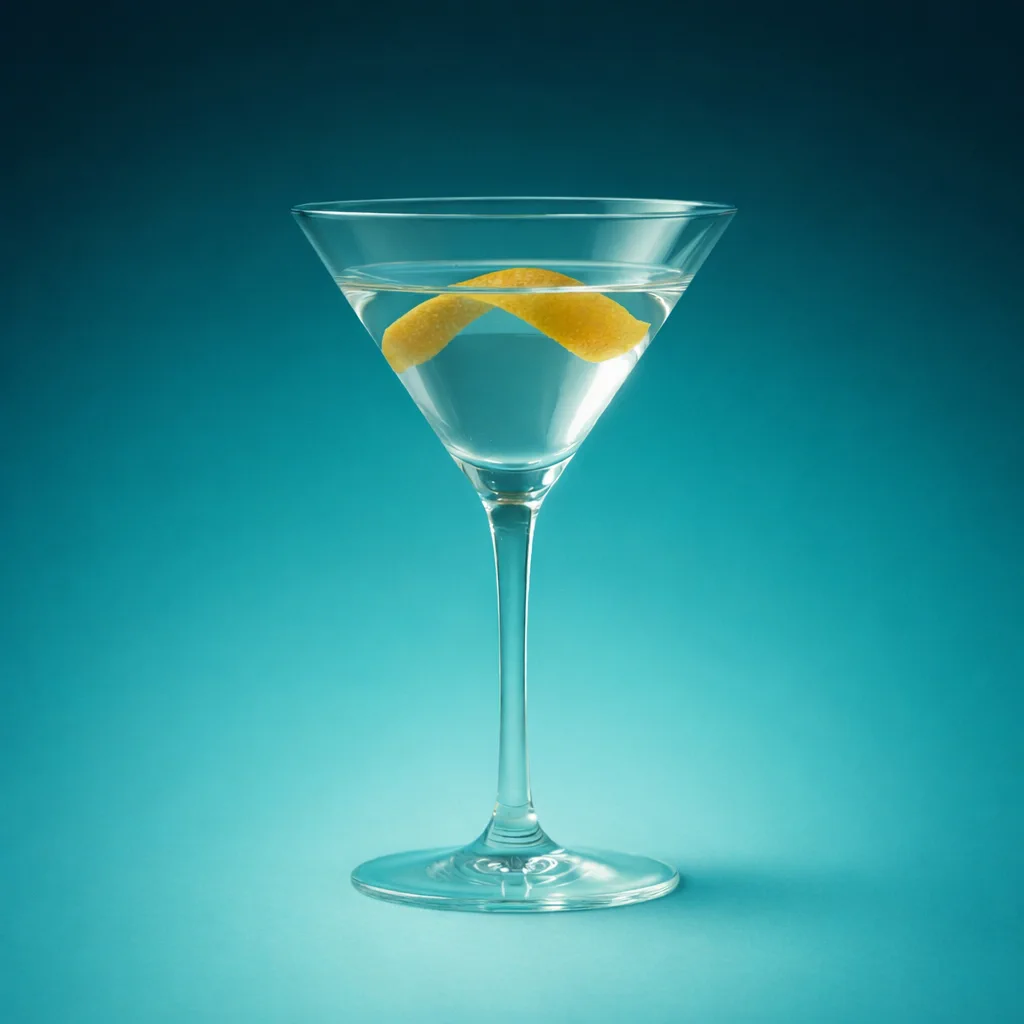
The Nineteen Twenty is a vermouth-based stirred cocktail blending dry vermouth, kirschwasser, gin, redcurrant syrup, and a dash of absinthe. Delicate and dry, with a cherry-brandy warmth threading through crisp vermouth before a faint anise whisper and tart red-berry edge close it out.
Ingredients
1
Servings
Garnish
Instructions for 1 serving
- Pre-chill a glass
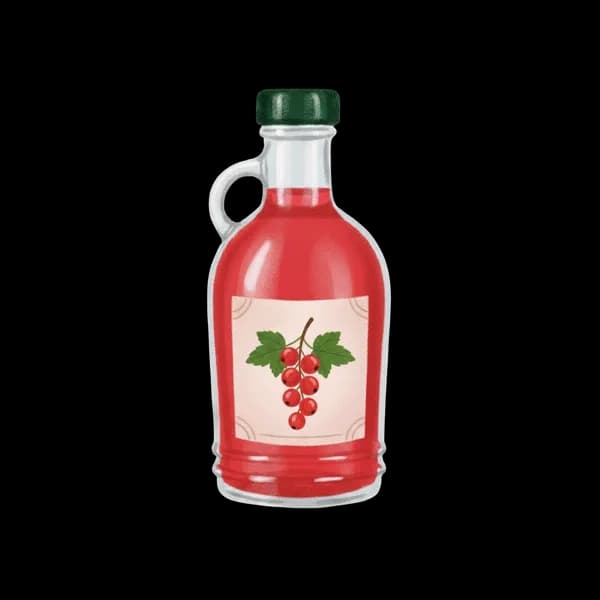
- Stir all ingredients with ice: Dry vermouth 40 mlKirschwasser 10 mlLondon dry gin 10 mlRedcurrant syrup 5 mlAbsinthe 1 dash
- Fine strain into the chilled glass
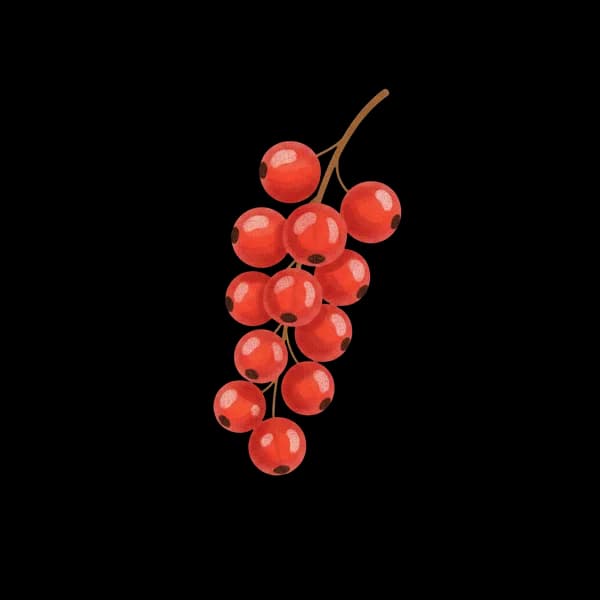
- Garnish with a redcurrant
Tips
- Add the absinthe as a single dash only — it is meant to perfume the glass, not compete with the kirschwasser.
History
The Nineteen-Twenty Cocktail takes its name from the year Prohibition began in the United States on January 17, 1920, when the Volstead Act outlawed alcohol and sent thirsty Americans abroad to bars like Harry's New York Bar in Paris. The drink first appears in print in Harry MacElhone's 1922 book Harry's ABC of Mixing Cocktails, built from French vermouth, kirschwasser, gin, groseille (redcurrant) syrup, and a dash of absinthe. It resurfaced with a nearly identical recipe eight years later in Harry Craddock's 1930 The Savoy Cocktail Book, which helped cement it among the era's Prohibition-themed cocktails served to expatriate drinkers at Parisian bars during the dry years in America.
FAQ
What is in a Nineteen Twenty cocktail?
Dry vermouth, kirschwasser, London dry gin, redcurrant syrup, and a dash of absinthe, stirred with ice and fine-strained into a chilled coupe. It is garnished with a fresh redcurrant and finishes at about 20.5% ABV.
What is a classic 1920s cocktail?
Classic 1920s cocktails leaned on whatever spirits speakeasies could get during Prohibition, and the Nineteen Twenty fits that mold, built on dry vermouth with a touch of gin for a similarly era-appropriate flavor.
What kind of alcohol was popular in the 1920s?
Gin was especially popular during Prohibition-era America because it could be made quickly and did not require aging, making it a staple of bathtub distilling and speakeasy cocktails. Whiskey, rum, and brandy-based spirits like kirschwasser were also widely used to mask the rough quality of illicit liquor with mixers and syrups.
What was banned in the USA in 1920?
The manufacture, sale, and transport of alcoholic beverages was banned in the United States starting January 1920, under the Eighteenth Amendment and the Volstead Act. The ban, known as Prohibition, lasted until 1933 and pushed drinking into speakeasies and home distilling.