Cocktails with Orange
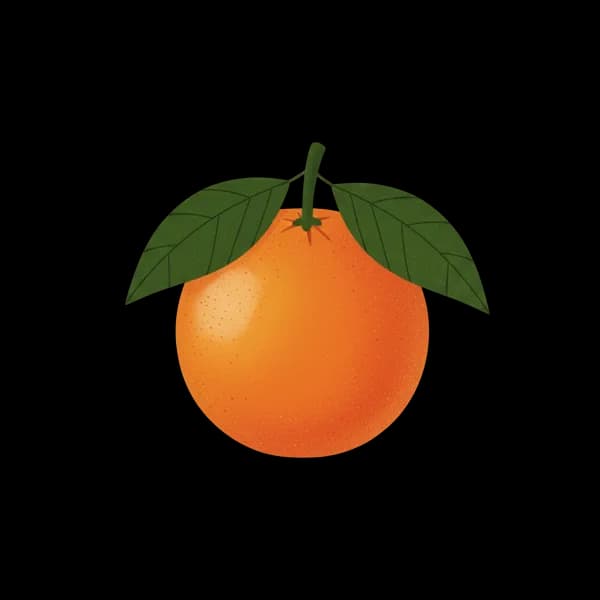
Orange is a sweet citrus fruit, giving both juice and aromatic peel in the bar.
Substitutes for Orange
Tangerine is sweeter and more perfumed and wants lemon behind it. Blood orange changes the color, though not much else — the red is anthocyanin, and it only develops where the nights are cold. For the peel alone any citrus will serve, and each one changes the perfume.
Often confused with
Orange juice
The pressed liquid alone. A recipe naming the fruit often wants the peel as well, and the two parts do opposite things in a glass.
Seville and bitter oranges
Sour and bitter, grown for marmalade rather than the table, and a recipe calling for orange does not mean these unless it says so. Curaçao, often assumed to come from them, is made from laraha — a bitter variety descended from Spanish oranges planted on Curaçao in 1527.
Storage
Oranges hold for weeks and commercial storage runs to about three months at 3–8 °C, so a bar will never be the limiting factor. Buy unwaxed fruit when the peel is going into drinks. The coatings themselves are food-safe, but the emulsifier used with them, morpholine, has been measured on citrus peel and not in the pulp. It is not approved for use in the EU.