Cocktails with Pastis
Pastis is an anise-flavored French apéritif spirit, macerated rather than distilled, defined by star anise plus licorice root.
ABV40–50%
Substitutes for Pastis
Anise and the louche carry across the whole family; sweetness and strength are what move. A dry one needs syrup and a sweet one does not, and anything that fails to cloud with water is not doing the same job.
Often confused with
Absinthe is distilled, drier, stronger, and built on wormwood instead of licorice. In a Sazerac or as a glass rinse it gives the bitter dryness pastis has not — and pastis in absinthe’s place makes the drink sweeter, so drop the sugar.
Storage
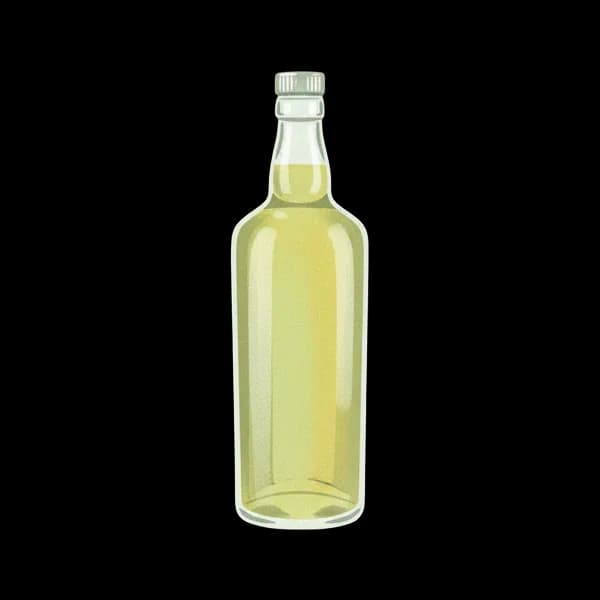
The bottle is tinted for a reason: anethole is light-sensitive, and pastis left in the sun loses both its aroma and its ability to louche cleanly. Keep it dark and closed. Cold clouding is normal and clears on warming.