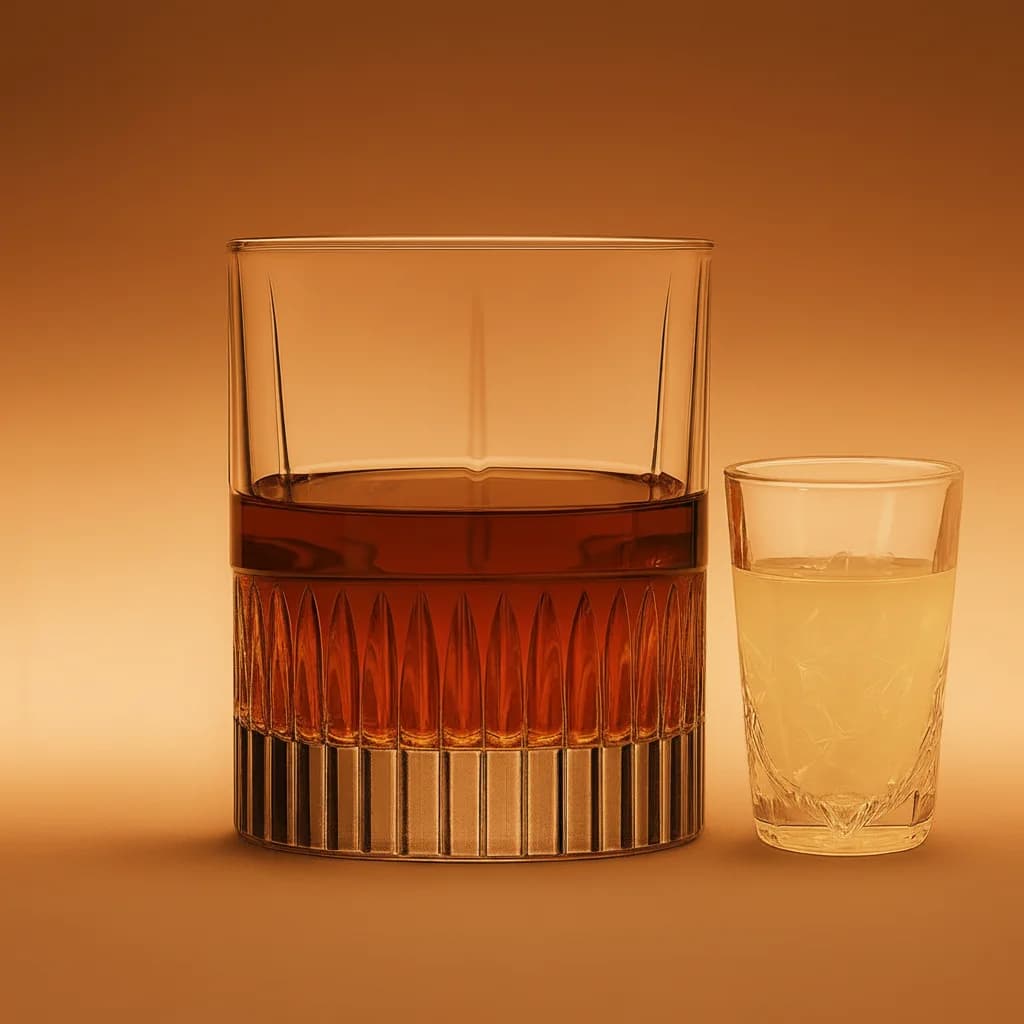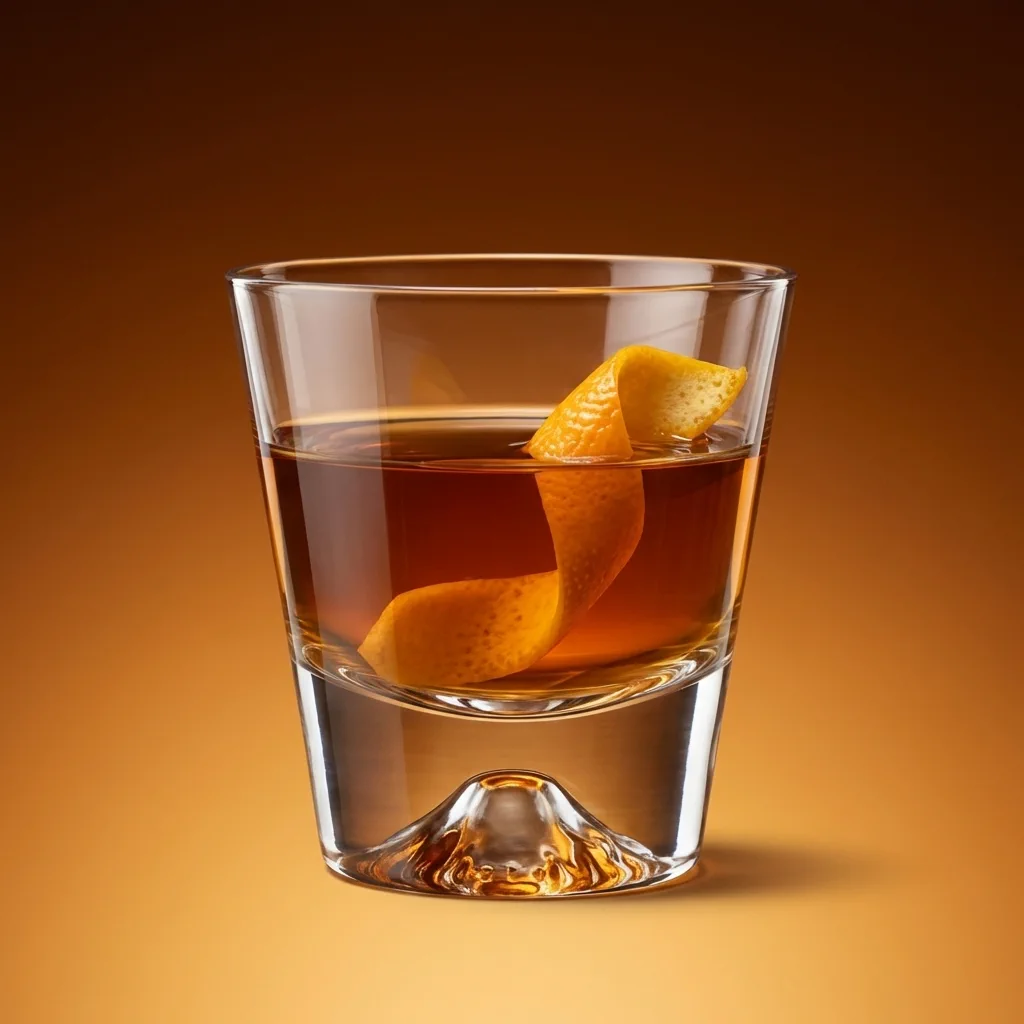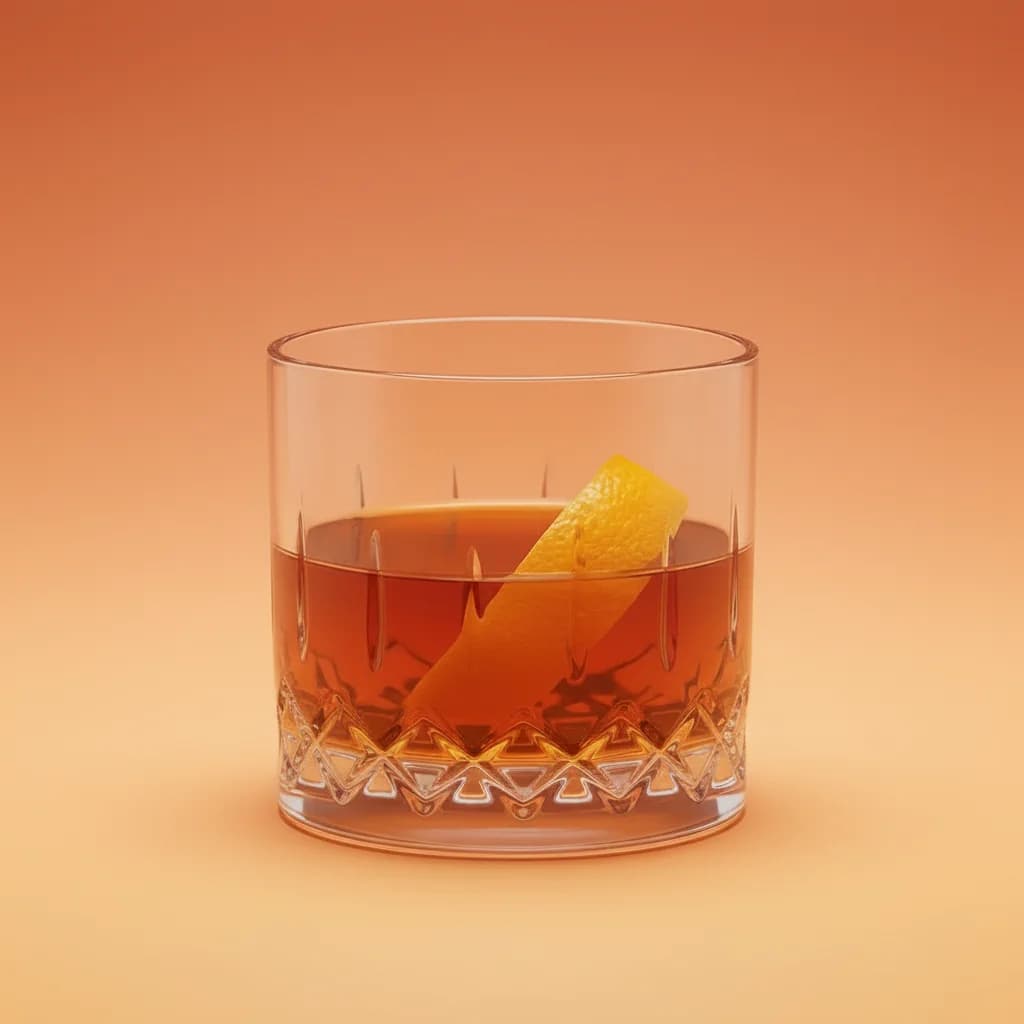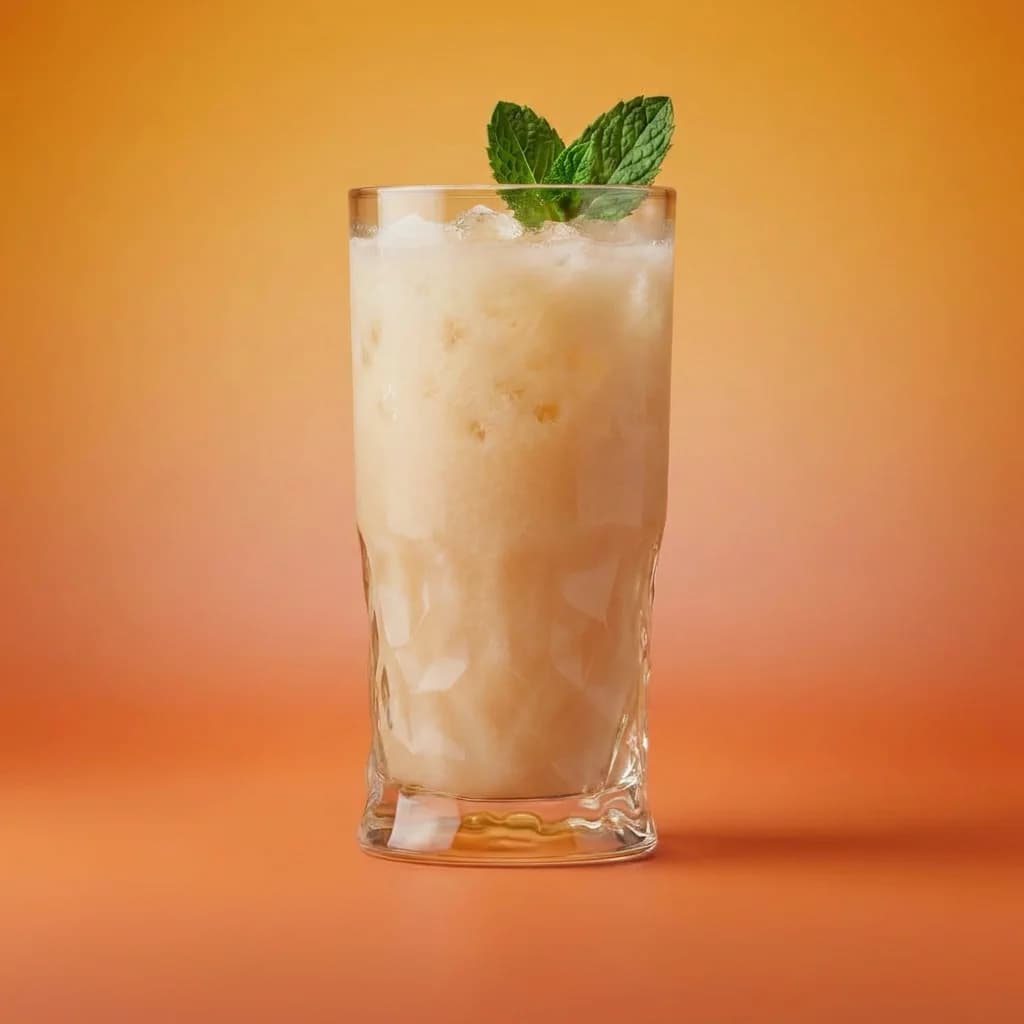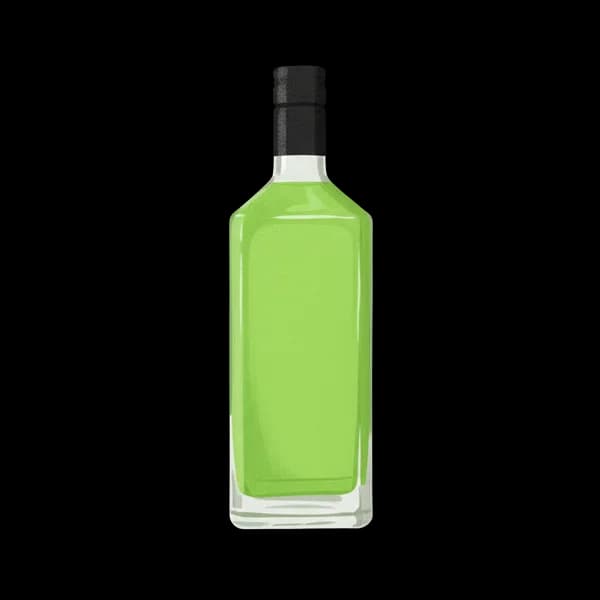
Absinthe is a high-proof, anise-forward spirit distilled with botanicals led by the "holy trinity" — grande wormwood, green anise and fennel — which give it its sharp anise-and-wormwood character. Unsweetened and very strong, it’s clear or a natural green.
In its usual role — a rinse or a dash — what you need is the anise and the louche, and several bottles bring both while running sweeter and losing the dry wormwood bitterness underneath. When it carries the drink outright there is no substitute, and the louche is the tell: it comes from anethole falling out of solution, so anything that does not cloud with water will not behave the same way.
Pastis is steeped and sweetened rather than distilled, and carries no wormwood. It brings the anise but not the dry bitter spine absinthe is there for. As a rinse — a few milliliters, most of it discarded — the difference barely shows and the sugar cube stays. Poured by measure it sweetens the drink outright, and then the syrup comes down.
Herbsaint and other absinthe substitutes
Built for exactly this job after the ban: anise, no wormwood, and sweeter. As a Sazerac rinse it is close enough that most drinkers will not name the difference; measured into the glass it reads sweeter, and the build needs its sugar pulled back.
Ouzo, sambuca and anisette
They louche the same way and carry far more sugar. In a rinse that hardly shows; in a measure the drink turns sweet and loses the dry bitterness, so cut the syrup entirely and expect it still to read sweeter.
"absinthe is served set on fire"
Setting a sugar cube alight over the glass is a 1990s marketing invention around Czech "absinth" — often anise-free, artificially colored, with no real louche. Traditional French/Swiss service drips cold water through the sugar; there is no fire, and no hallucinations.
"absinthe causes hallucinations"
"Absinthe madness" was blamed on thujone from wormwood, but sealed pre-ban bottles measure around 0–48 mg/L and EU rules cap a modern bottle lower still, at 35 mg/kg — both far too low to be psychoactive. The kick is simply its high proof.

Sazerac
Rye whiskey, Bourbon, Brandy

Sazerac – IBA
Cognac

Sazerac (New Orleans Style)
Rye whiskey

Zombie
Caribbean aged rum

Calvados Sazerac
Calvados

Corpse Reviver No. 1
Calvados, Cognac, Rosso vermouth

Corpse Reviver No. 2 – IBA
London dry gin, Orange curaçao liqueur, Aromatized wine

Corpse Reviver No. 2 (Contemporary recipe)
London dry gin, Herbal liqueur (e.g., Yellow Chartreuse), Aromatized wine

Corpse Reviver No. 2 (Savoy recipe)
London dry gin

De La Louisiane
Rye whiskey

Sazerac (low-calorie)
Bourbon

Old Fashioned Appetizer
Bourbon, Dubonnet/French rouge aromatised wine

Clean Aviation
Vodka

75 Cocktail (1926 recipe)
Calvados

Absinthe
Absinthe

Tuxedo
Old Tom gin, Dry vermouth

Absinthe Frappé
Absinthe

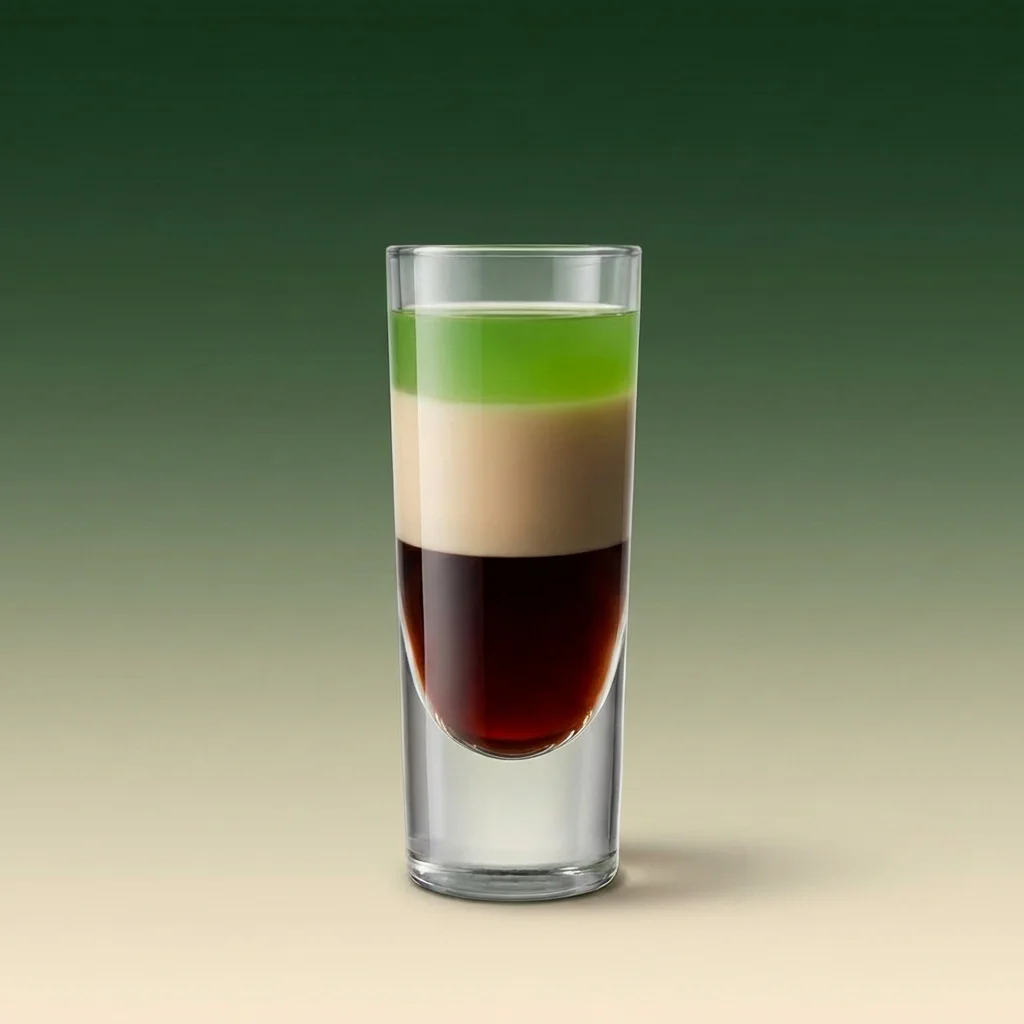
B-55 Shot
Crème de Café liqueur, Irish cream liqueur, Absinthe

Billionaire
Rye whiskey

Hemingway Breakfast
White rum

Morning Glory Fizz
Speyside single malt Scotch whisky

Pisco Punch
Pisco

St. Patricks Day
Irish whiskey

Tuxedo Cocktail No. 1 (Savoy recipe)
London dry gin, Dry vermouth